


Serie
Maggiori informazioni sul libro
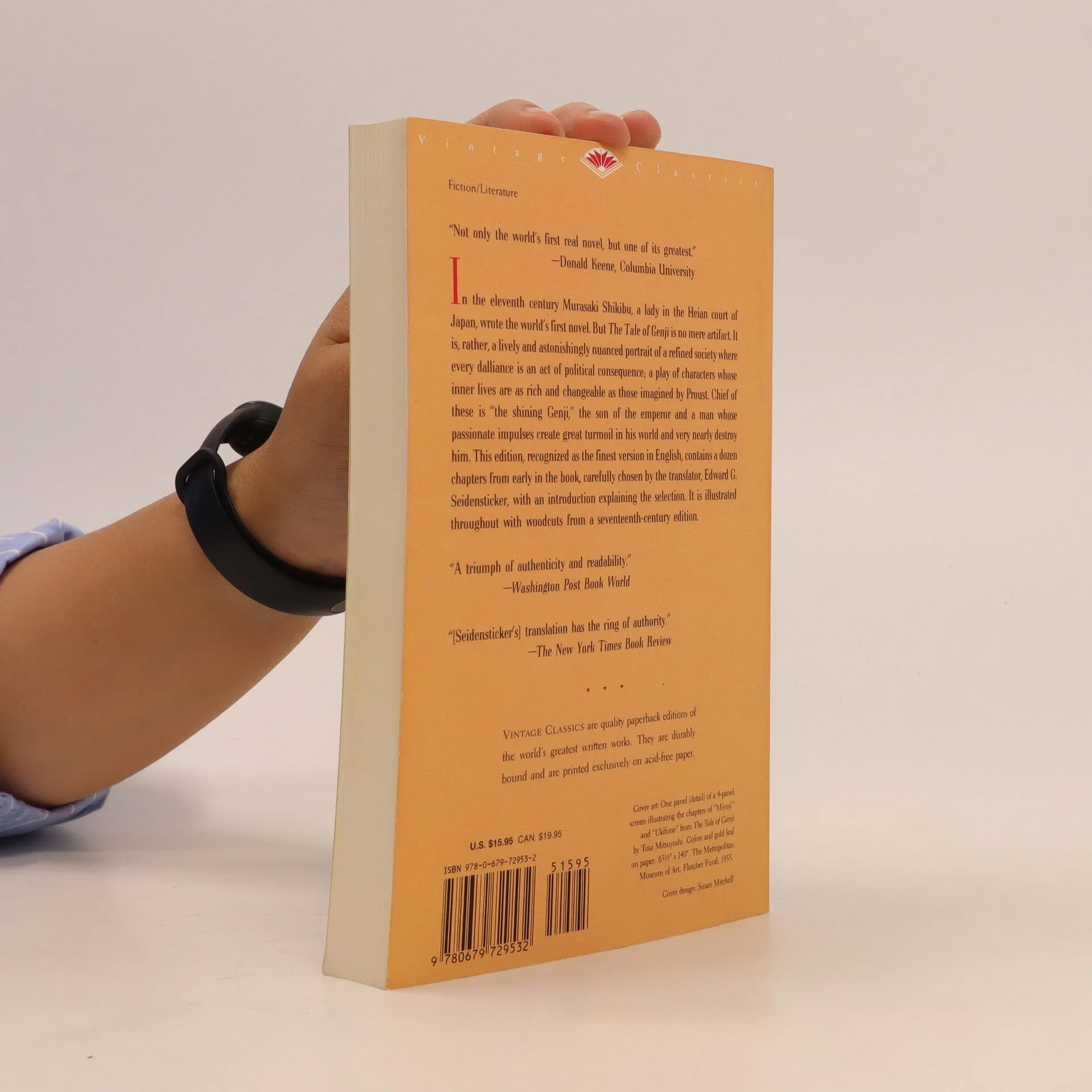
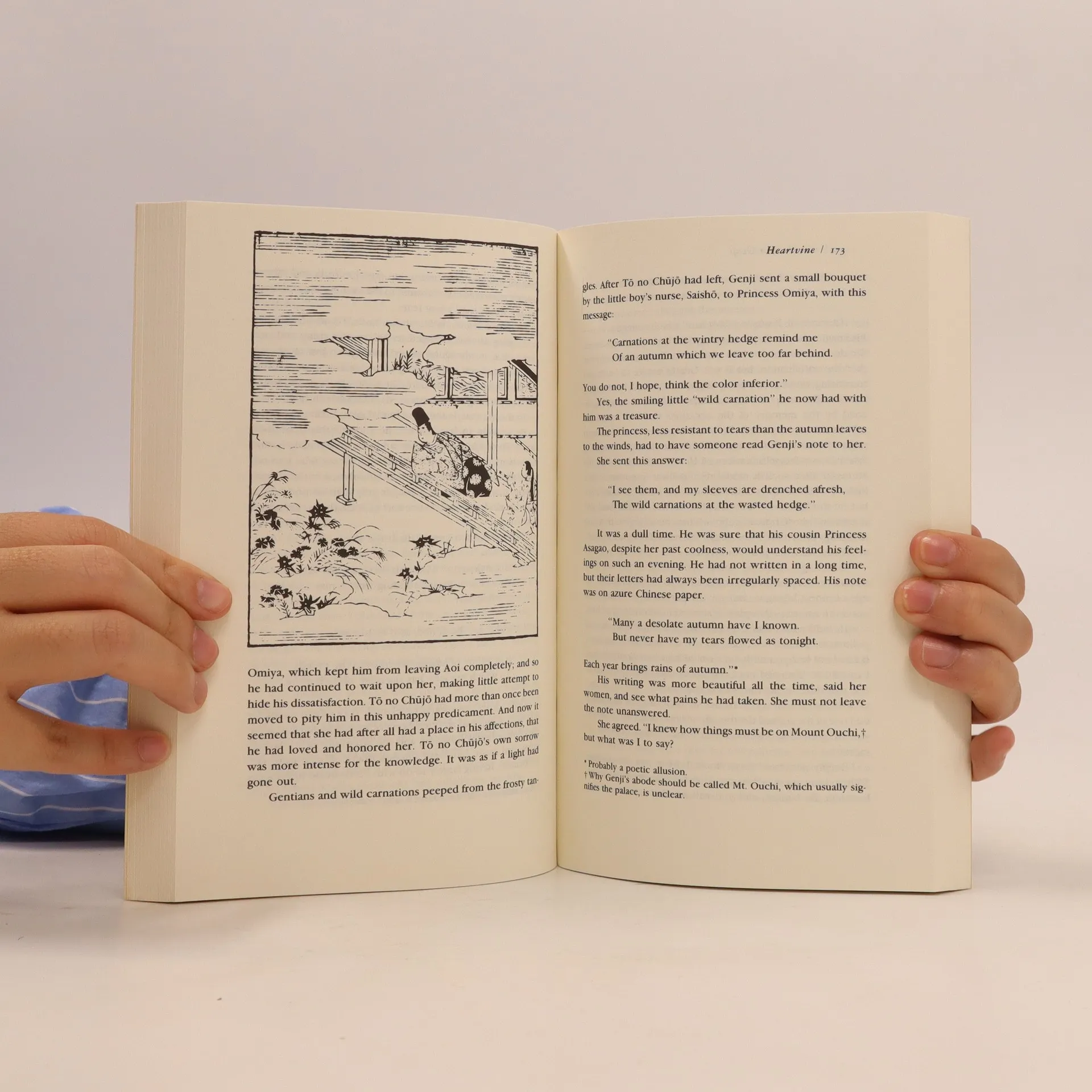
In the eleventh century Murasaki Shikibu, a lady in the Heian court of Japan, wrote the world's first novel. But The Tale of Genji is no mere artifact. It is, rather, a lively and astonishingly nuanced portrait of a refined society where every dalliance is an act of political consequence, a play of characters whose inner lives are as rich and changeable as those imagined by Proust. Chief of these is "the shining Genji," the son of the emperor and a man whose passionate impulses create great turmoil in his world and very nearly destroy him. This edition, recognized as the finest version in English, contains a dozen chapters from early in the book, carefully chosen by the translator, Edward G. Seidensticker, with an introduction explaining the selection. It is illustrated throughout with woodcuts from a seventeenth-century edition.




Acquisto del libro
The Tale of Genji, Murasaki Šikibu
- Lingua

- Pubblicato
- 1990
- Rilegatura
- (In brossura)
Metodi di pagamento
Qui potrebbe esserci la tua recensione.
- Titolo
- The Tale of Genji
- Lingua
- Inglese
- Autori
- Murasaki Šikibu
- Editore
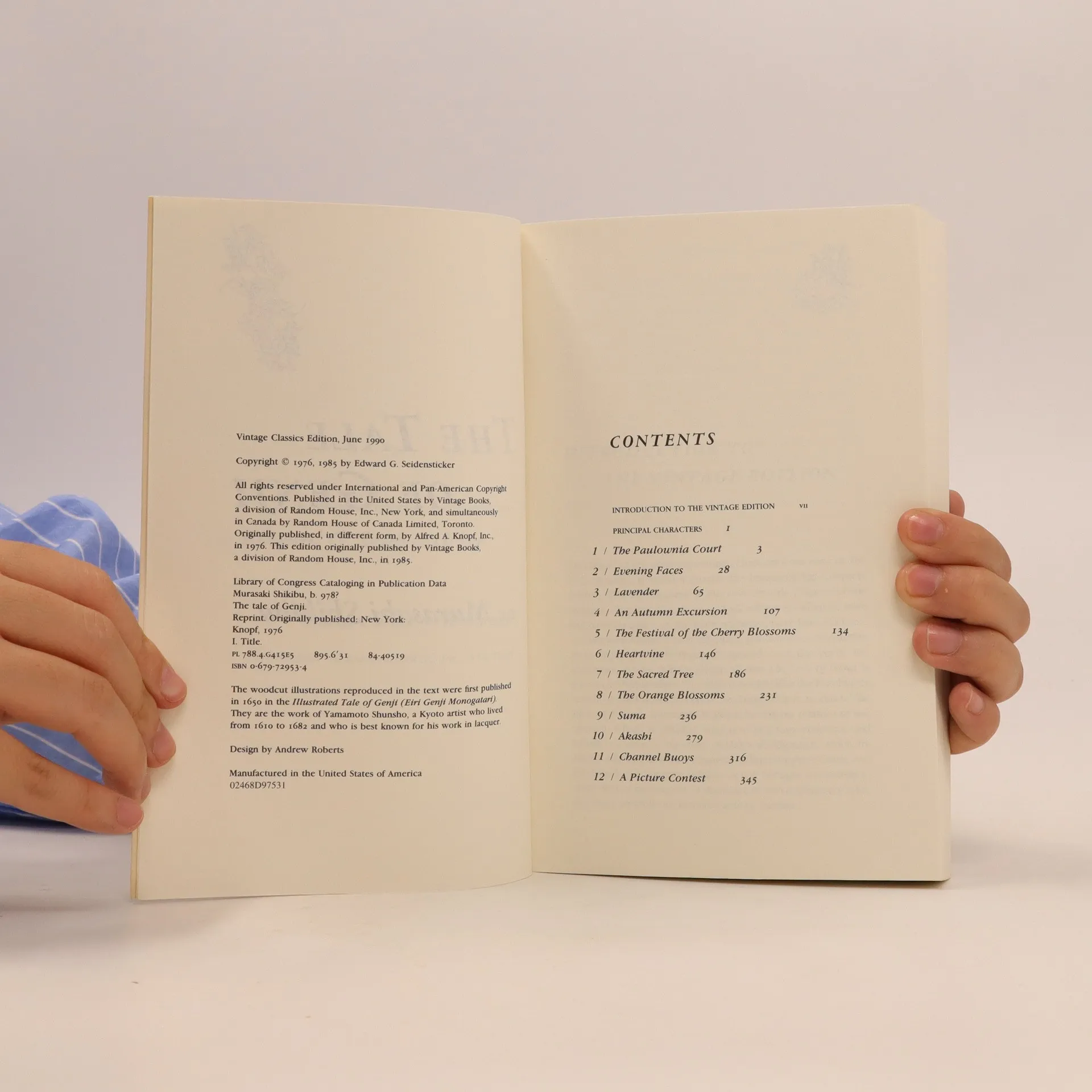
- Vintage
- Pubblicato
- 1990
- Formato
- In brossura
- Pagine
- 384
- ISBN10
- 0679729534
- ISBN13
- 9780679729532
- Serie
- La Storia di Genji
- Valutazione
- 3,7 su 5
- Descrizione
- In the eleventh century Murasaki Shikibu, a lady in the Heian court of Japan, wrote the world's first novel. But The Tale of Genji is no mere artifact. It is, rather, a lively and astonishingly nuanced portrait of a refined society where every dalliance is an act of political consequence, a play of characters whose inner lives are as rich and changeable as those imagined by Proust. Chief of these is "the shining Genji," the son of the emperor and a man whose passionate impulses create great turmoil in his world and very nearly destroy him. This edition, recognized as the finest version in English, contains a dozen chapters from early in the book, carefully chosen by the translator, Edward G. Seidensticker, with an introduction explaining the selection. It is illustrated throughout with woodcuts from a seventeenth-century edition.