



Maggiori informazioni sul libro
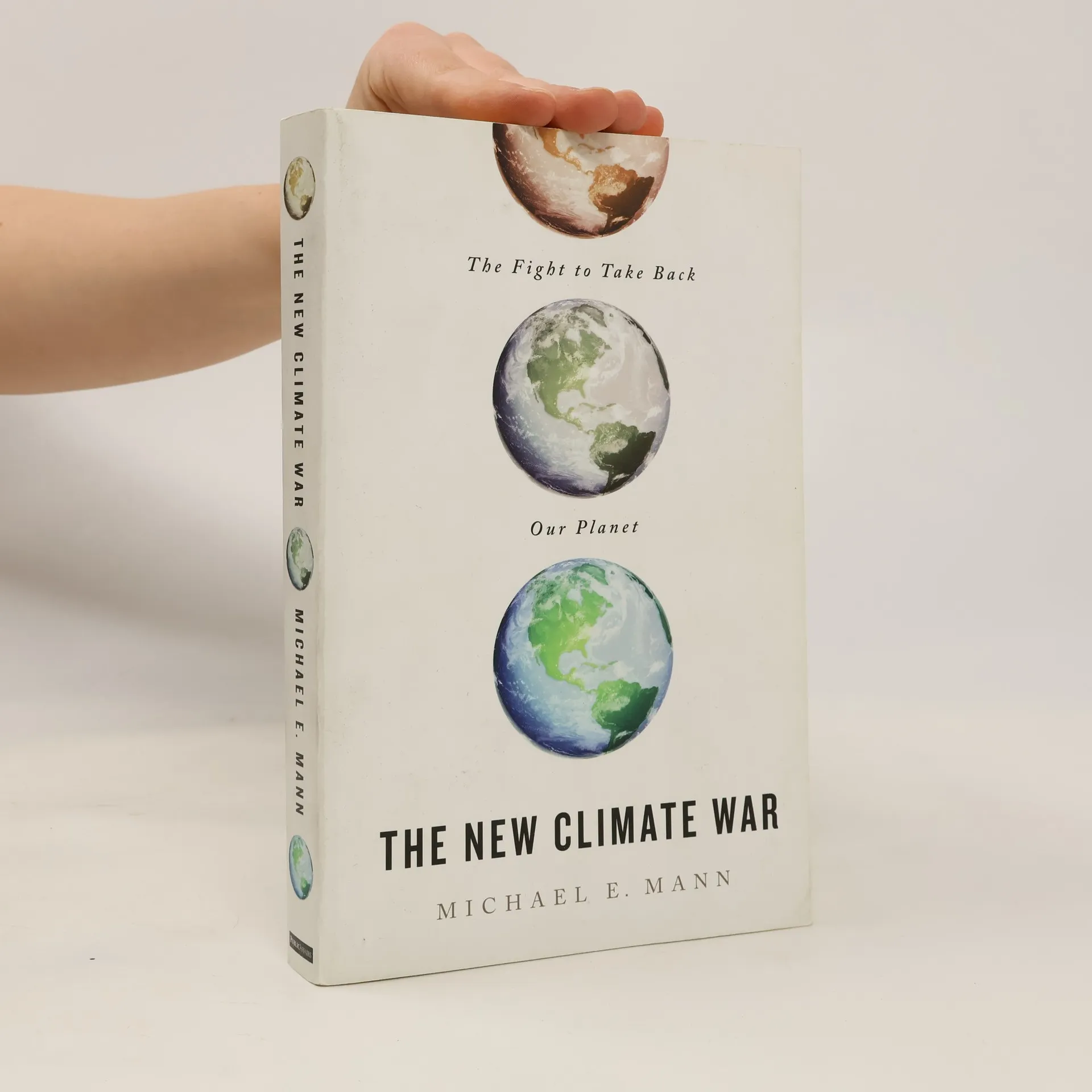
A renowned climate scientist reveals how fossil-fuel companies have spent three decades deflecting blame and delaying climate action while placing the burden of responsibility on individuals. The emphasis on personal behaviors like recycling and flying less stems from a marketing campaign that obscures the real culprits. These companies have employed tactics similar to other industries, such as greenwashing and discrediting alternatives, while blocking regulations on carbon emissions. The consequences for the planet have been dire. However, the author asserts that hope remains. He delineates the conflict between the public and polluters—fossil-fuel companies, wealthy elites, and petro-states—and presents a strategy for driving genuine change. This includes advocating for a sensible approach to carbon pricing, revising the flawed proposals of the Green New Deal, ensuring fair competition for renewable energy, debunking misleading narratives that divide climate advocates, and combating feelings of despair regarding climate issues. With powerful interests defending the fossil-fuel status quo, achieving societal change requires active citizen engagement. This work aims to inform and empower individuals to join the fight for a sustainable future.




Acquisto del libro
The New Climate War, Michael E. Mann
- Lingua

- Pubblicato
- 2021
- product-detail.submit-box.info.binding
- (In brossura),
- Condizioni del libro
- In buone condizioni
- Prezzo
- 10,49 €
Metodi di pagamento
Qui potrebbe esserci la tua recensione.
- Titolo
- The New Climate War
- Lingua
- Inglese
- Autori
- Michael E. Mann
- Editore
- PublicAffairs,U.S.
- Pubblicato
- 2021
- Formato
- In brossura
- ISBN10
- 1541700570
- ISBN13
- 9781541700574
- Serie
- Tag
- Saggistica, Scienze sociali, Scienza e Matematica, Natura, Scienze politiche & Politica, Politica, Scienza, Tematica ecologica, Ecologia, Regali per il nonno, Regali per le donne, Sostenibilità, Scienze ambientali, Cambiamenti climatici, Clima
- Prima pubblicazione
- 2021
- Titolo originale
- The New Climate War: The Fight to Take Back Our Planet
- Valutazione
- 4,15 su 5
- Descrizione
- A renowned climate scientist reveals how fossil-fuel companies have spent three decades deflecting blame and delaying climate action while placing the burden of responsibility on individuals. The emphasis on personal behaviors like recycling and flying less stems from a marketing campaign that obscures the real culprits. These companies have employed tactics similar to other industries, such as greenwashing and discrediting alternatives, while blocking regulations on carbon emissions. The consequences for the planet have been dire. However, the author asserts that hope remains. He delineates the conflict between the public and polluters—fossil-fuel companies, wealthy elites, and petro-states—and presents a strategy for driving genuine change. This includes advocating for a sensible approach to carbon pricing, revising the flawed proposals of the Green New Deal, ensuring fair competition for renewable energy, debunking misleading narratives that divide climate advocates, and combating feelings of despair regarding climate issues. With powerful interests defending the fossil-fuel status quo, achieving societal change requires active citizen engagement. This work aims to inform and empower individuals to join the fight for a sustainable future.