


Maggiori informazioni sul libro
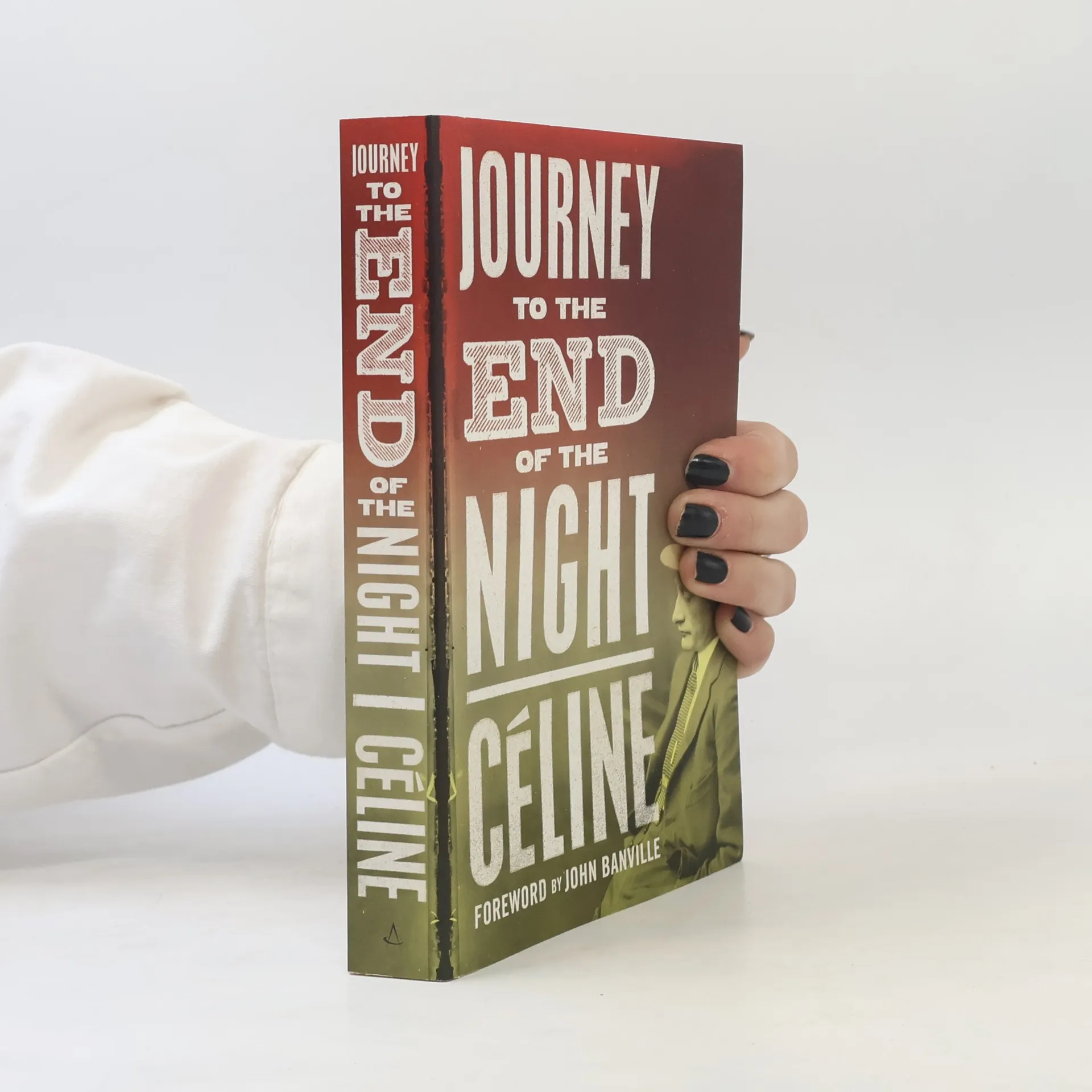
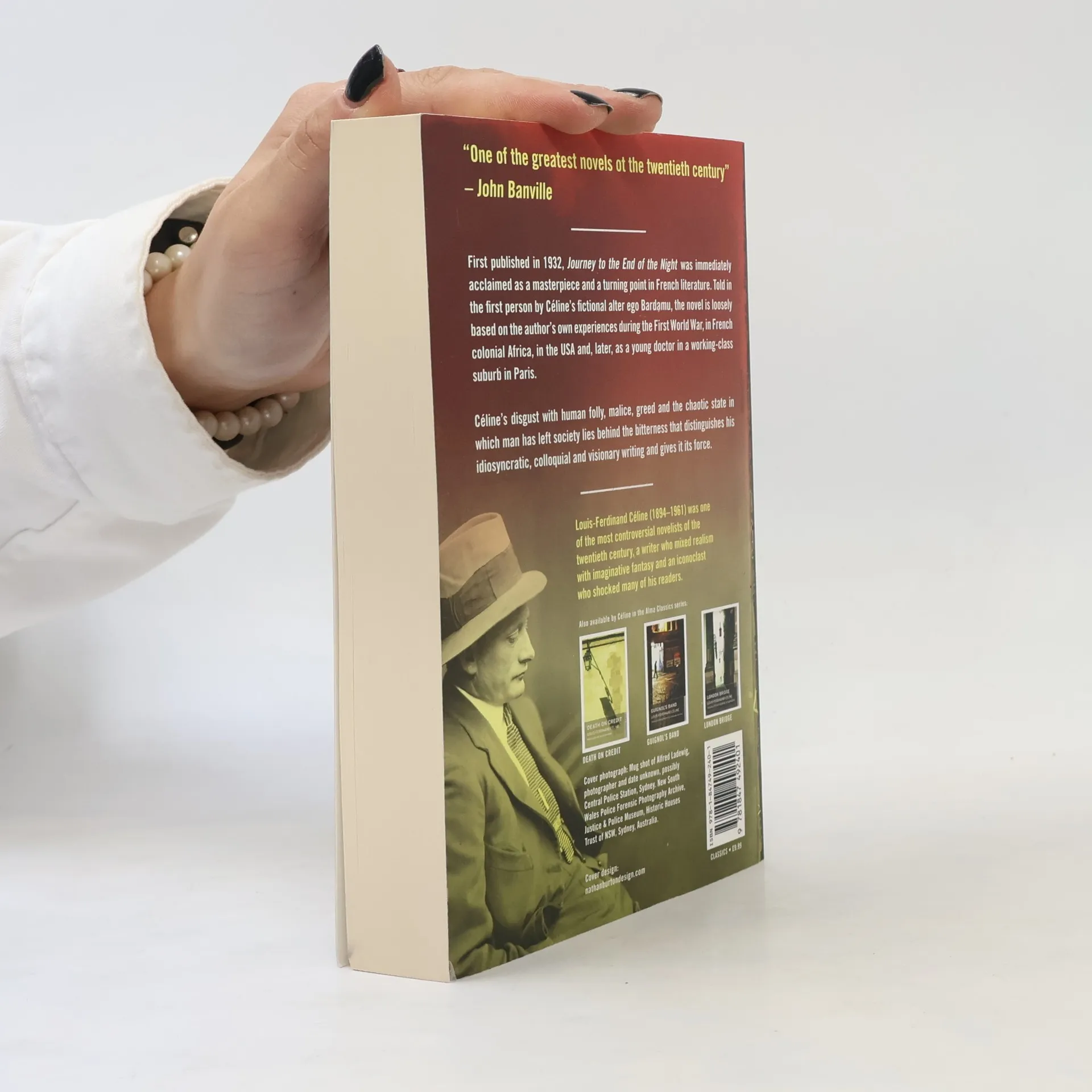
First published in 1932, Journey to the End of the Night was immediately acclaimed as a masterpiece and a turning point in French literature. This edition contains a foreword by John Banville. Told in the first person, the novel is based on the author's own experiences during the First World War, in French colonial Africa, in the USA - where he worked for a while at the Ford factory in Detroit - and later as a young doctor in a working-class suburb in Paris. Celine's disgust with human folly, malice, greed and the chaotic state in which man has left society lies behind the bitterness that distinguishes his idiosyncratic, colloquial and visionary writing and gives it its force.




Acquisto del libro
Journey to the End of the Night, Louis-Ferdinand Céline
- Lingua

- Pubblicato
- 2012
- product-detail.submit-box.info.binding
- (In brossura)
Metodi di pagamento
Qui potrebbe esserci la tua recensione.
- Lingua
- Inglese
- Autori
- Louis-Ferdinand Céline
- Editore
- Alma Classics
- Pubblicato
- 2012
- Formato
- In brossura
- Pagine
- 450
- ISBN10
- 1847492401
- ISBN13
- 9781847492401
- Serie
- Tag
- Narrativa, Tema stórico, Tematica filosofica, Classici, USA, Francia, Letteratura francese, Africa, Viaggio, Prima guerra mondiale (1914–1918), Narrazione, Opera Prima, Ironia, Colonialismo, Periodo tra le due guerre, Notte, Guerra mondiale, Sarcamo, Romanzi picareschi
- Prima pubblicazione
- 1932
- Titolo originale
- Voyage au bout de la nuit
- Valutazione
- 4,25 su 5
- Descrizione
- First published in 1932, Journey to the End of the Night was immediately acclaimed as a masterpiece and a turning point in French literature. This edition contains a foreword by John Banville. Told in the first person, the novel is based on the author's own experiences during the First World War, in French colonial Africa, in the USA - where he worked for a while at the Ford factory in Detroit - and later as a young doctor in a working-class suburb in Paris. Celine's disgust with human folly, malice, greed and the chaotic state in which man has left society lies behind the bitterness that distinguishes his idiosyncratic, colloquial and visionary writing and gives it its force.