


Parametri
- 352pagine
- 13 ore di lettura
Maggiori informazioni sul libro
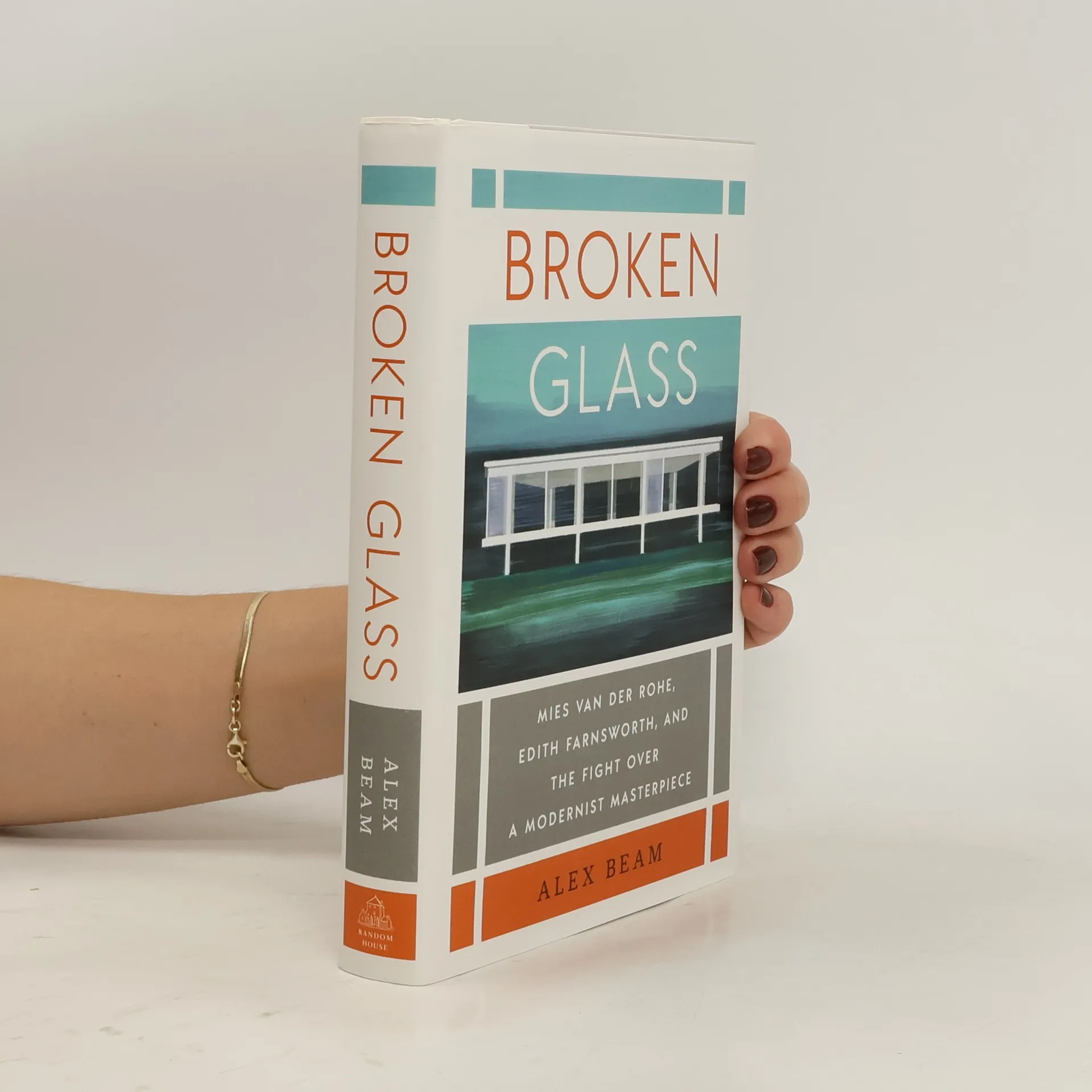
In 1945, Edith Farnsworth commissioned the renowned German architect Mies van der Rohe to design a weekend home outside Chicago. An accomplished medical researcher, violinist, translator, and poet, Edith was a trailblazer of her time. As their relationship deepened, they bonded over transcendental philosophy, Catholic mysticism, and architecture, leading to the creation of a groundbreaking house made almost entirely of glass and steel. Completed in 1951, this minimalist marvel faced cost overruns and a deterioration of their friendship. Despite its fame, Farnsworth struggled to live in the transparent structure and publicly campaigned against Mies, supported by Frank Lloyd Wright. Mies responded by suing her for unpaid fees. The trial not only addressed financial disputes and structural issues but also evolved into a broader examination of modernist art and architecture. Through a blend of personal drama and cultural history, the narrative unfolds a captivating story that reveals the intricate background of one of the twentieth century's most significant architectural achievements.


Acquisto del libro
Broken Glass, Alex Beam
- Lingua

- Pubblicato
- 2020
- Rilegatura
- (Copertina rigida)
Metodi di pagamento
Qui potrebbe esserci la tua recensione.
- Titolo
- Broken Glass
- Lingua
- Inglese
- Autori
- Alex Beam
- Editore
- Random House LCC US
- Pubblicato
- 2020
- Formato
- Copertina rigida
- Pagine
- 352
- ISBN10
- 0399592717
- ISBN13
- 9780399592713
- Serie
- Categoria
- Tag
- Saggistica, Arte / Cultura, Tema stórico, Storia, Storie vere, Biografie, Arte, Architettura, Architettura e urbanistica, Storia e teoria dell’arte, Storia dell'arte
- Valutazione
- 3,75 su 5
- Descrizione
- In 1945, Edith Farnsworth commissioned the renowned German architect Mies van der Rohe to design a weekend home outside Chicago. An accomplished medical researcher, violinist, translator, and poet, Edith was a trailblazer of her time. As their relationship deepened, they bonded over transcendental philosophy, Catholic mysticism, and architecture, leading to the creation of a groundbreaking house made almost entirely of glass and steel. Completed in 1951, this minimalist marvel faced cost overruns and a deterioration of their friendship. Despite its fame, Farnsworth struggled to live in the transparent structure and publicly campaigned against Mies, supported by Frank Lloyd Wright. Mies responded by suing her for unpaid fees. The trial not only addressed financial disputes and structural issues but also evolved into a broader examination of modernist art and architecture. Through a blend of personal drama and cultural history, the narrative unfolds a captivating story that reveals the intricate background of one of the twentieth century's most significant architectural achievements.