




Parametri
- 360pagine
- 13 ore di lettura
Maggiori informazioni sul libro
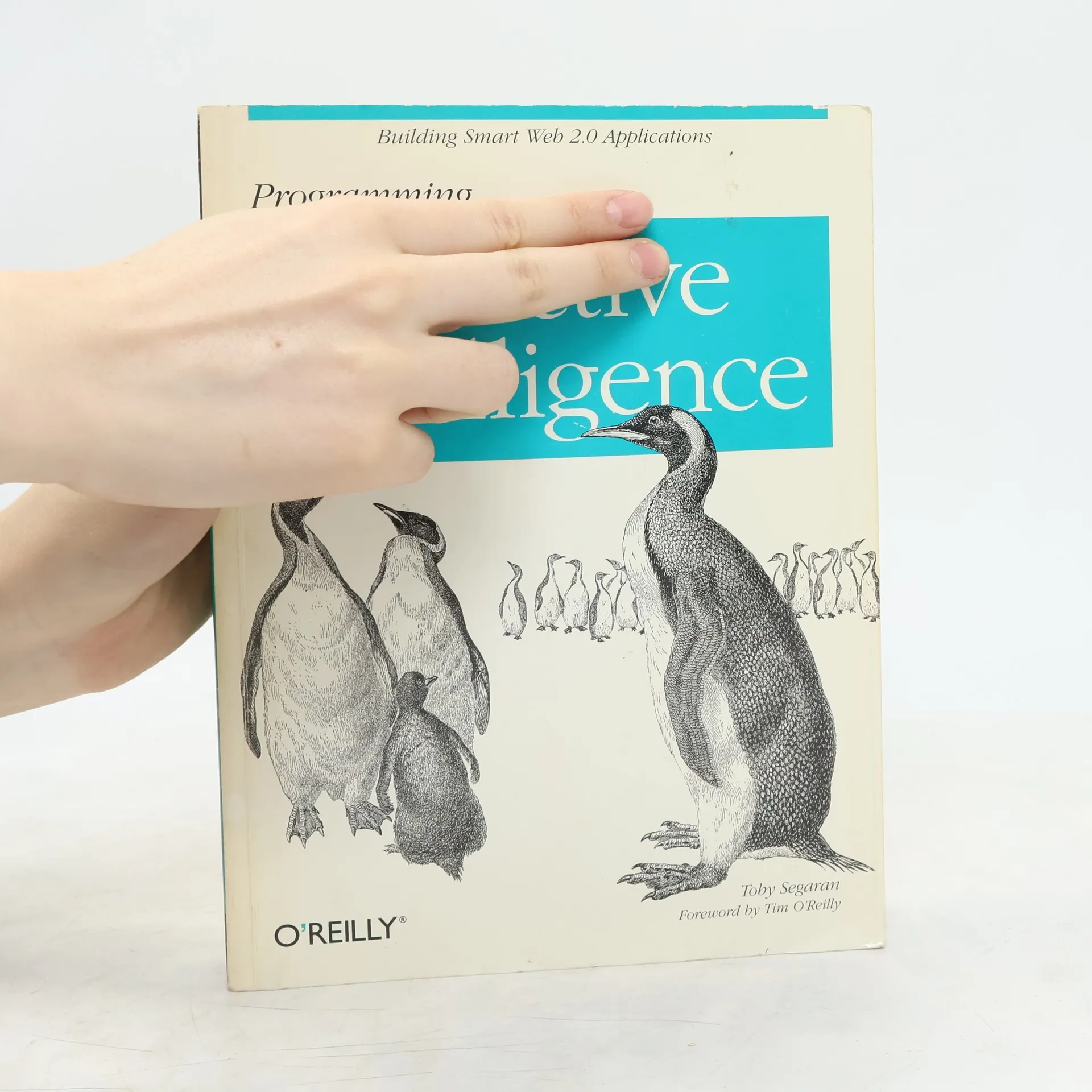
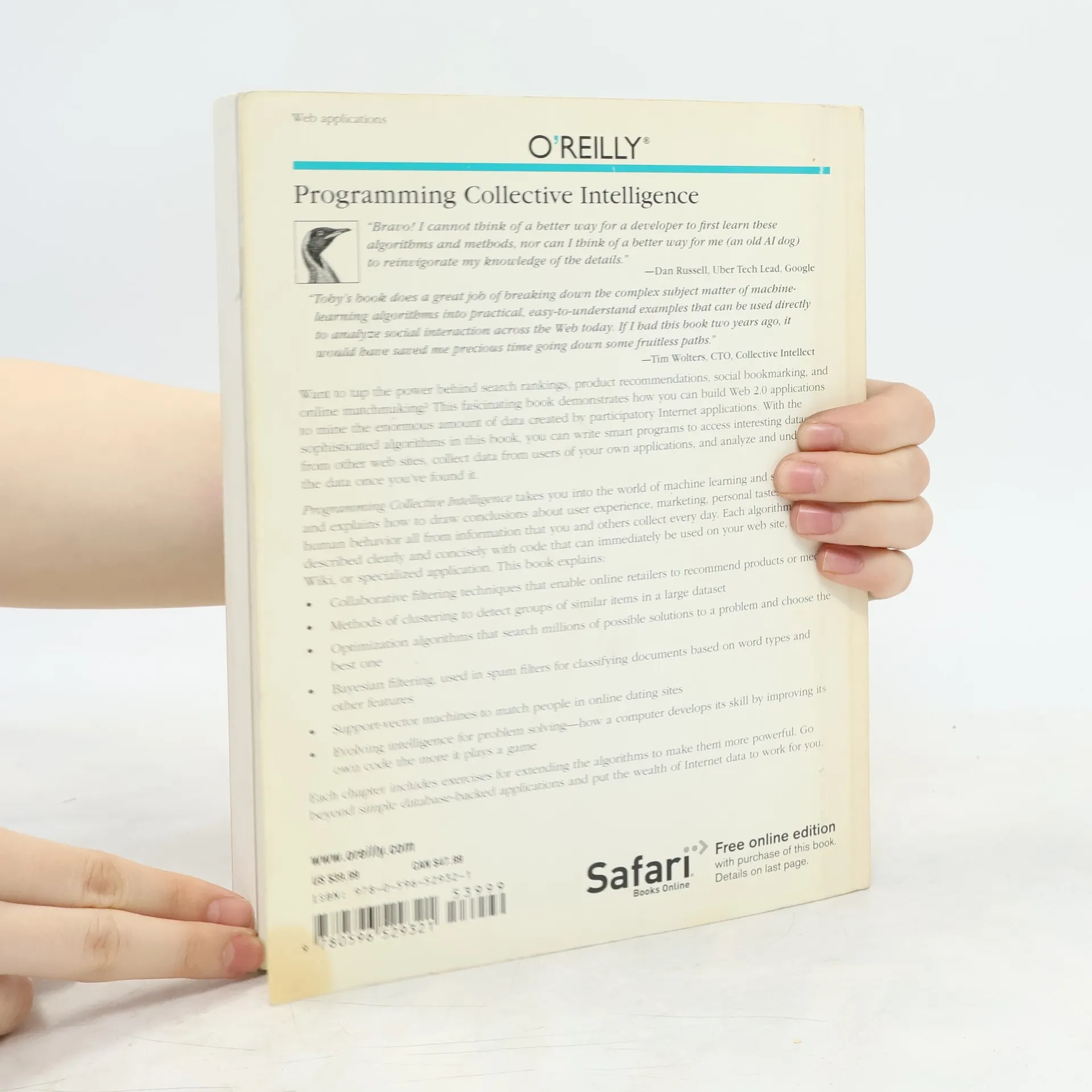
This book explores the technical workings of rankings, product recommendations, and online matchmaking services. It demonstrates how to develop Web 2.0 applications that search and analyze the vast amounts of data generated by users of current web applications. Introducing the world of machine learning and statistics, it explains how to draw conclusions from user experience, personal preferences, and human behavior. The book illustrates how to leverage user data and user-generated content to extract "collective intelligence" using the right algorithms, creating real value for applications. It provides practical insights into complex topics, using clear examples to explain how machine learning algorithms operate. Key techniques covered include collaborative filtering, clustering methods, optimization algorithms, Bayesian filtering, and support vector machines. Each algorithm is succinctly described with understandable Python code. Real-world examples from sites like Facebook and eBay, along with numerous exercises, encourage experimentation and showcase new techniques to enhance Web 2.0 websites.

Acquisto del libro
Programming Collective Intelligence, Toby Segaran
- Lingua

- Pubblicato
- 2011
- product-detail.submit-box.info.binding
- (In brossura),
- Condizioni del libro
- Danneggiato
- Prezzo
- 3,01 €
Metodi di pagamento
Qui potrebbe esserci la tua recensione.
- Lingua
- Inglese
- Autori
- Toby Segaran
- Editore
- O'Reilly Media
- Pubblicato
- 2011
- Formato
- In brossura
- Pagine
- 360
- ISBN10
- 0596529325
- ISBN13
- 9780596529321
- Serie
- Tag
- Saggistica, Tecnologia & Ingegneria, Computer & Internet, Tecnologia, Software, Intelligenza artificiale
- Titolo originale
- Programming collective intelligence
- Valutazione
- 4,1 su 5
- Descrizione
- This book explores the technical workings of rankings, product recommendations, and online matchmaking services. It demonstrates how to develop Web 2.0 applications that search and analyze the vast amounts of data generated by users of current web applications. Introducing the world of machine learning and statistics, it explains how to draw conclusions from user experience, personal preferences, and human behavior. The book illustrates how to leverage user data and user-generated content to extract "collective intelligence" using the right algorithms, creating real value for applications. It provides practical insights into complex topics, using clear examples to explain how machine learning algorithms operate. Key techniques covered include collaborative filtering, clustering methods, optimization algorithms, Bayesian filtering, and support vector machines. Each algorithm is succinctly described with understandable Python code. Real-world examples from sites like Facebook and eBay, along with numerous exercises, encourage experimentation and showcase new techniques to enhance Web 2.0 websites.