


Maggiori informazioni sul libro
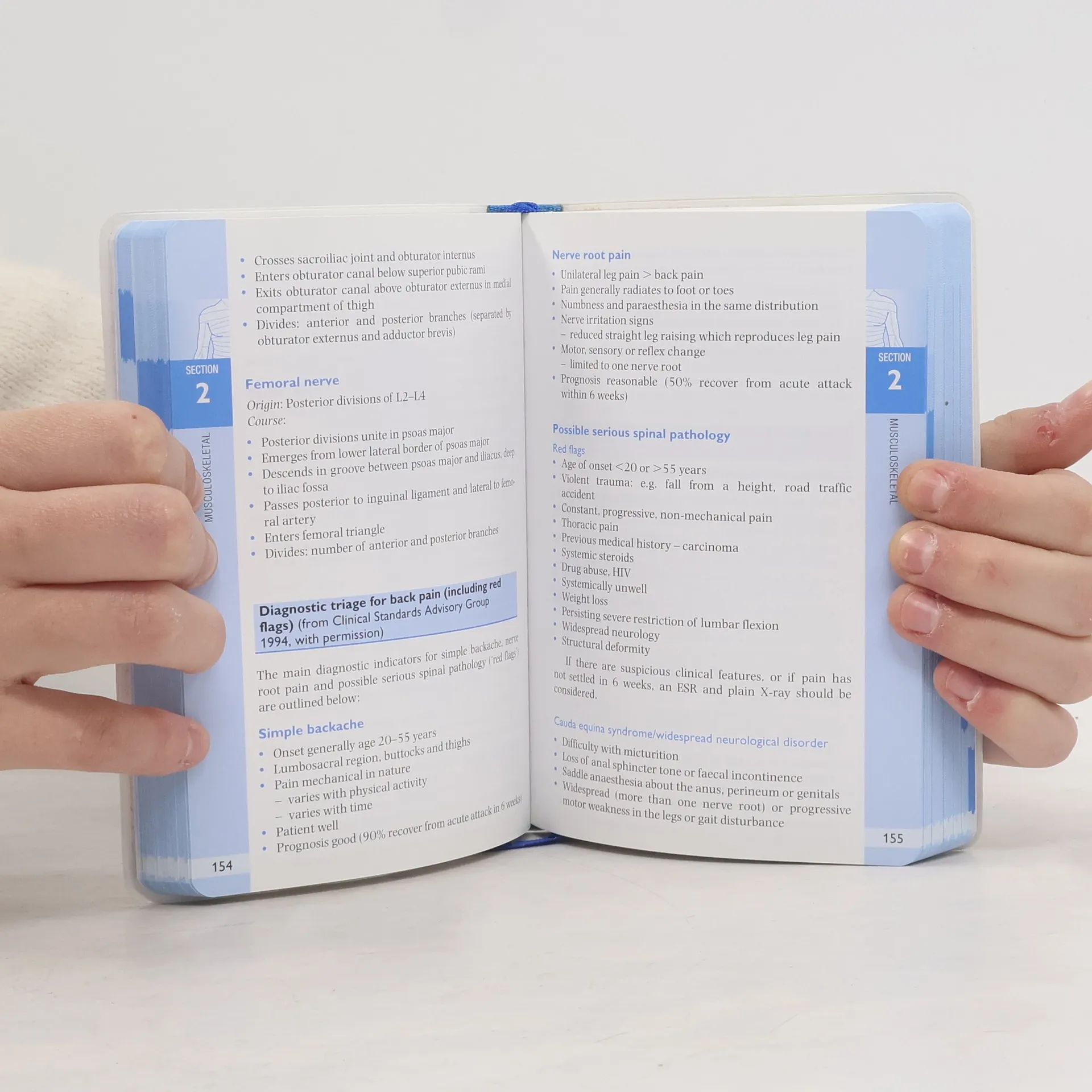
This comprehensive guide is divided into several sections, each focusing on critical aspects of neuromusculoskeletal anatomy, neurology, respiratory function, pathology, pharmacology, and practical appendices. The first section covers detailed illustrations of musculoskeletal anatomy, including the brachial and lumbosacral plexuses, along with peripheral nerve innervation for both motor and sensory functions. It includes information on common reflexes, palpation sites for pulses, and essential references. The second section presents a muscle innervation chart, categorizing muscles by function and providing an alphabetical listing. It discusses the Medical Research Council scale for muscle power, trigger points, joint movement ranges, and classifications of fractures and sprains. It also outlines common musculoskeletal tests and diagnostic triage for back pain, including psychosocial factors. The third section focuses on neuroanatomy, detailing signs and symptoms related to cerebrovascular lesions and brain injuries, cranial nerves, and the implications of spinal cord injuries. It includes neurological assessments and tests. The fourth section addresses respiratory anatomy, volumes, and capacities, along with diagnostic techniques like chest X-rays and blood gas interpretation. It covers respiratory failure management and monitoring. The fifth section provides an alphabetical listing of pathologies and relevant diagnostic



Acquisto del libro
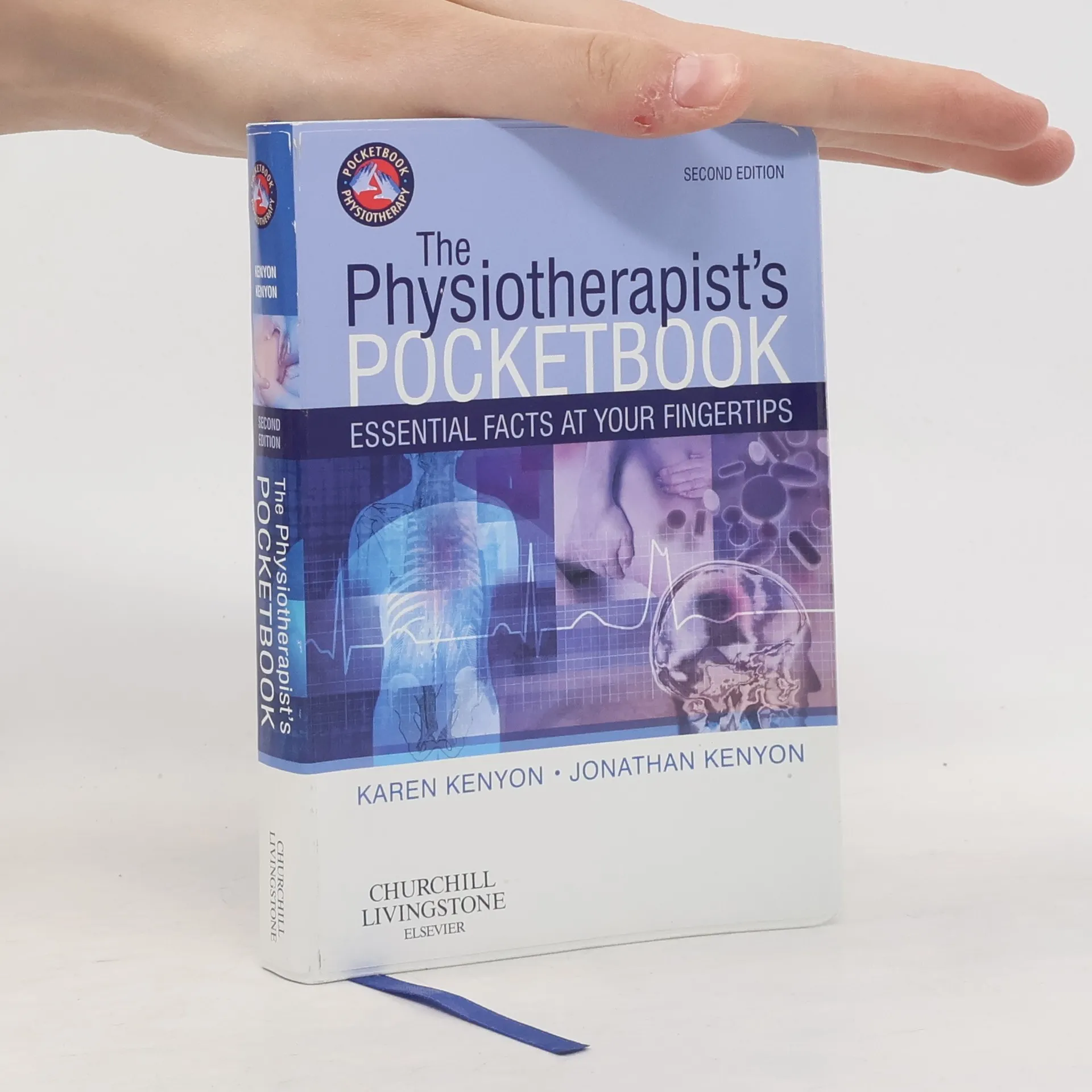
The Physiotherapist's Pocketbook, Karen Kenyon
- Lingua

- Pubblicato
- 2013
- product-detail.submit-box.info.binding
- (In brossura),
- Condizioni del libro
- In ottime condizioni
- Prezzo
- 8,49 €
Metodi di pagamento
Qui potrebbe esserci la tua recensione.
- Lingua
- Inglese
- Autori
- Karen Kenyon
- Editore
- Churchill Livingstone
- Pubblicato
- 2013
- Formato
- In brossura
- Pagine
- 368
- ISBN10
- 0080449840
- ISBN13
- 9780080449845
- Serie
- Tag
- Fisioterapia
- Valutazione
- 4,35 su 5
- Descrizione
- This comprehensive guide is divided into several sections, each focusing on critical aspects of neuromusculoskeletal anatomy, neurology, respiratory function, pathology, pharmacology, and practical appendices. The first section covers detailed illustrations of musculoskeletal anatomy, including the brachial and lumbosacral plexuses, along with peripheral nerve innervation for both motor and sensory functions. It includes information on common reflexes, palpation sites for pulses, and essential references. The second section presents a muscle innervation chart, categorizing muscles by function and providing an alphabetical listing. It discusses the Medical Research Council scale for muscle power, trigger points, joint movement ranges, and classifications of fractures and sprains. It also outlines common musculoskeletal tests and diagnostic triage for back pain, including psychosocial factors. The third section focuses on neuroanatomy, detailing signs and symptoms related to cerebrovascular lesions and brain injuries, cranial nerves, and the implications of spinal cord injuries. It includes neurological assessments and tests. The fourth section addresses respiratory anatomy, volumes, and capacities, along with diagnostic techniques like chest X-rays and blood gas interpretation. It covers respiratory failure management and monitoring. The fifth section provides an alphabetical listing of pathologies and relevant diagnostic