



Fair trade for all : how trade can promote development
Valutazione del libro
Maggiori informazioni sul libro
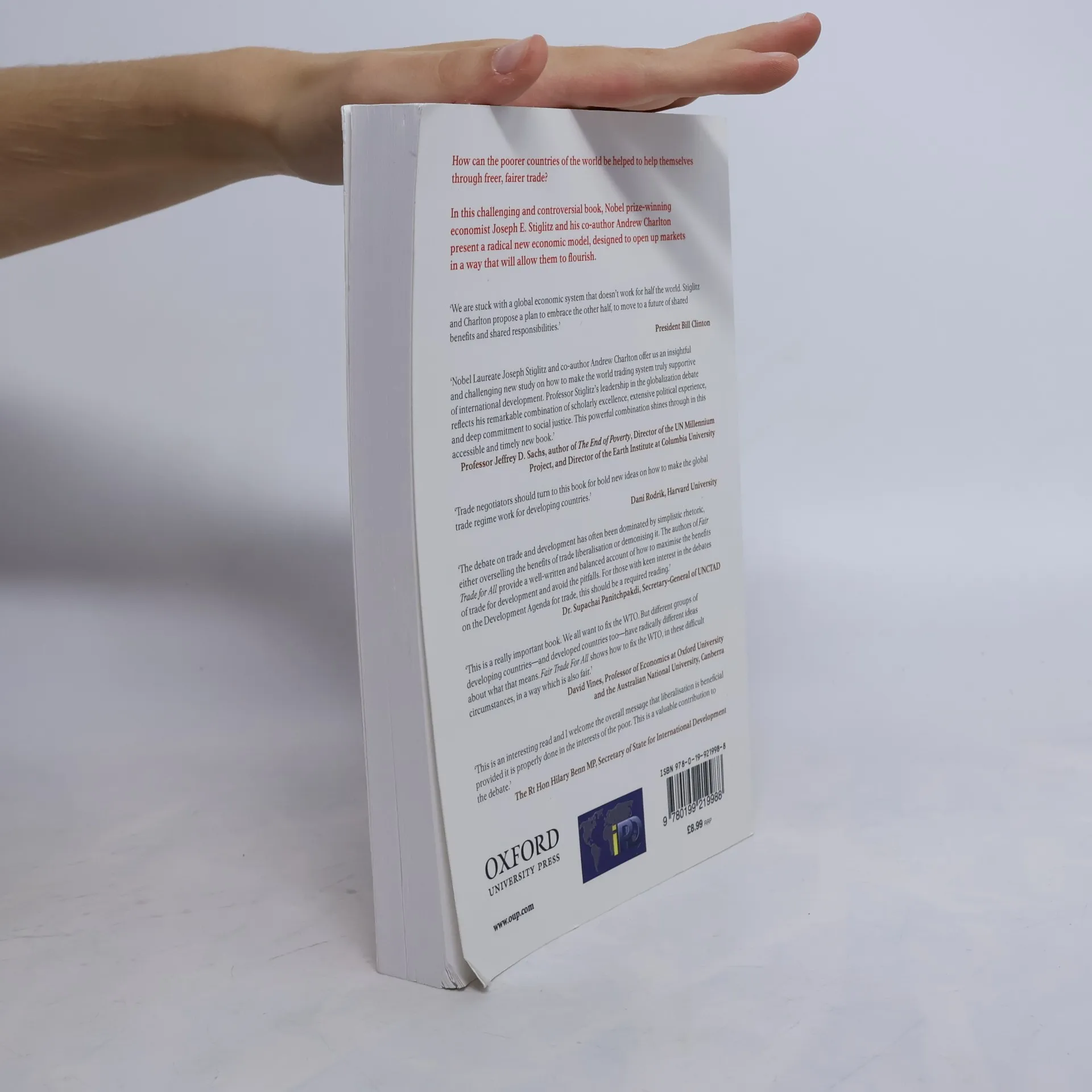
How can the poorer countries of the world be helped to help themselves through freer, fairer trade? This challenging and controversial book addresses one of the key issues facing world leaders today. This book puts forward a radical and realistic new model for managing trading relationships between the richest and the poorest countries. Beginning with a brief history of the World Trade Organisation and its agreements, the authors explore the issues and events which led to the failure of Cancun and the obstacles that face the successful completion of the Doha Round of negotiations. Finally they spell out the reforms and principles upon which a successful agreement must be based. Accessibly written and packed full of empirical evidence and analysis, this book is a must read for anyone interested in world trade and development

Pubblicazione

Acquisto del libro
Fair trade for all : how trade can promote development, Joseph E. Stiglitz, Andrew Andrew Henry George Charlton
- Lingua

- Pubblicato
- 2007
- Rilegatura
- (In brossura),
- Condizioni del libro
- In buone condizioni
- Prezzo
- 5,29 €
Metodi di pagamento
Qui potrebbe esserci la tua recensione.
- Titolo
- Fair trade for all : how trade can promote development
- Lingua
- Inglese
- Editore
- Oxford University Press
- Pubblicato
- 2007
- Formato
- In brossura
- Pagine
- 352
- ISBN10
- 0199219982
- ISBN13
- 9780199219988
- Serie
- Categoria
- Titolo originale
- Fair trade for all
- Valutazione
- 3,65 su 5
- Descrizione
- How can the poorer countries of the world be helped to help themselves through freer, fairer trade? This challenging and controversial book addresses one of the key issues facing world leaders today. This book puts forward a radical and realistic new model for managing trading relationships between the richest and the poorest countries. Beginning with a brief history of the World Trade Organisation and its agreements, the authors explore the issues and events which led to the failure of Cancun and the obstacles that face the successful completion of the Doha Round of negotiations. Finally they spell out the reforms and principles upon which a successful agreement must be based. Accessibly written and packed full of empirical evidence and analysis, this book is a must read for anyone interested in world trade and development