



Maggiori informazioni sul libro
Not since Nietzsche has a work so groundbreaking and explosive appeared, to question the role of the world's three major monotheistic religions. If Nietzsche proclaimed the death of God, French philosopher Michel Onfray starts from the premise that not only is God still very much alive but increasingly controlled by fundamentalists who pose a danger to the human race. Documenting the ravages from religious intolerance over the centuries, Onfray makes a strong case against the three religions for their obsession with purity and their contempt for reason and intelligence, individual freedom, desire and the human body, sexuality and pleasure, and for women in general. In their place, all three demand faith and belief, obedience and submission, extol the "next life" to the detriment of the here and now. Tightly argued, this is a work that is sure to stir debate on the role of religion in Australian society--and politics.



Acquisto del libro
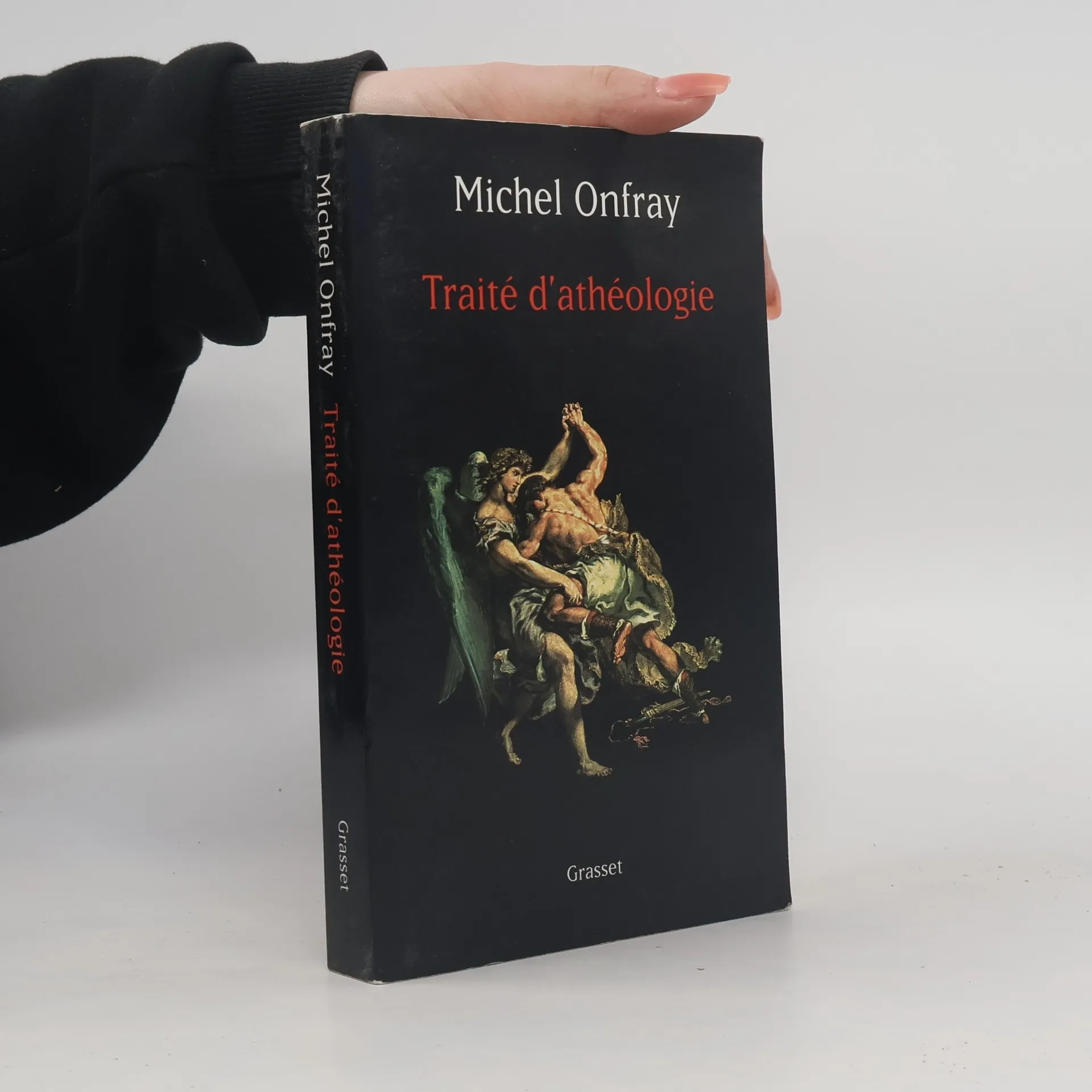
Traité d'athéologie, Michel Onfray
- Lingua

- Pubblicato
- 2005
- Rilegatura
- (In brossura)
Metodi di pagamento
Qui potrebbe esserci la tua recensione.
- Titolo
- Traité d'athéologie
- Sottotitolo
- physique de la métaphysique
- Lingua
- Francese
- Autori
- Michel Onfray
- Editore
- Grasset
- Pubblicato
- 2005
- Formato
- In brossura
- Pagine
- 282
- ISBN10
- 2246648017
- ISBN13
- 9782246648017
- Serie
- Categoria
- Titolo originale
- Traité d'athéologie
- Valutazione
- 3,75 su 5
- Descrizione
- Not since Nietzsche has a work so groundbreaking and explosive appeared, to question the role of the world's three major monotheistic religions. If Nietzsche proclaimed the death of God, French philosopher Michel Onfray starts from the premise that not only is God still very much alive but increasingly controlled by fundamentalists who pose a danger to the human race. Documenting the ravages from religious intolerance over the centuries, Onfray makes a strong case against the three religions for their obsession with purity and their contempt for reason and intelligence, individual freedom, desire and the human body, sexuality and pleasure, and for women in general. In their place, all three demand faith and belief, obedience and submission, extol the "next life" to the detriment of the here and now. Tightly argued, this is a work that is sure to stir debate on the role of religion in Australian society--and politics.