

Questo è quello che aggiungi al carrello
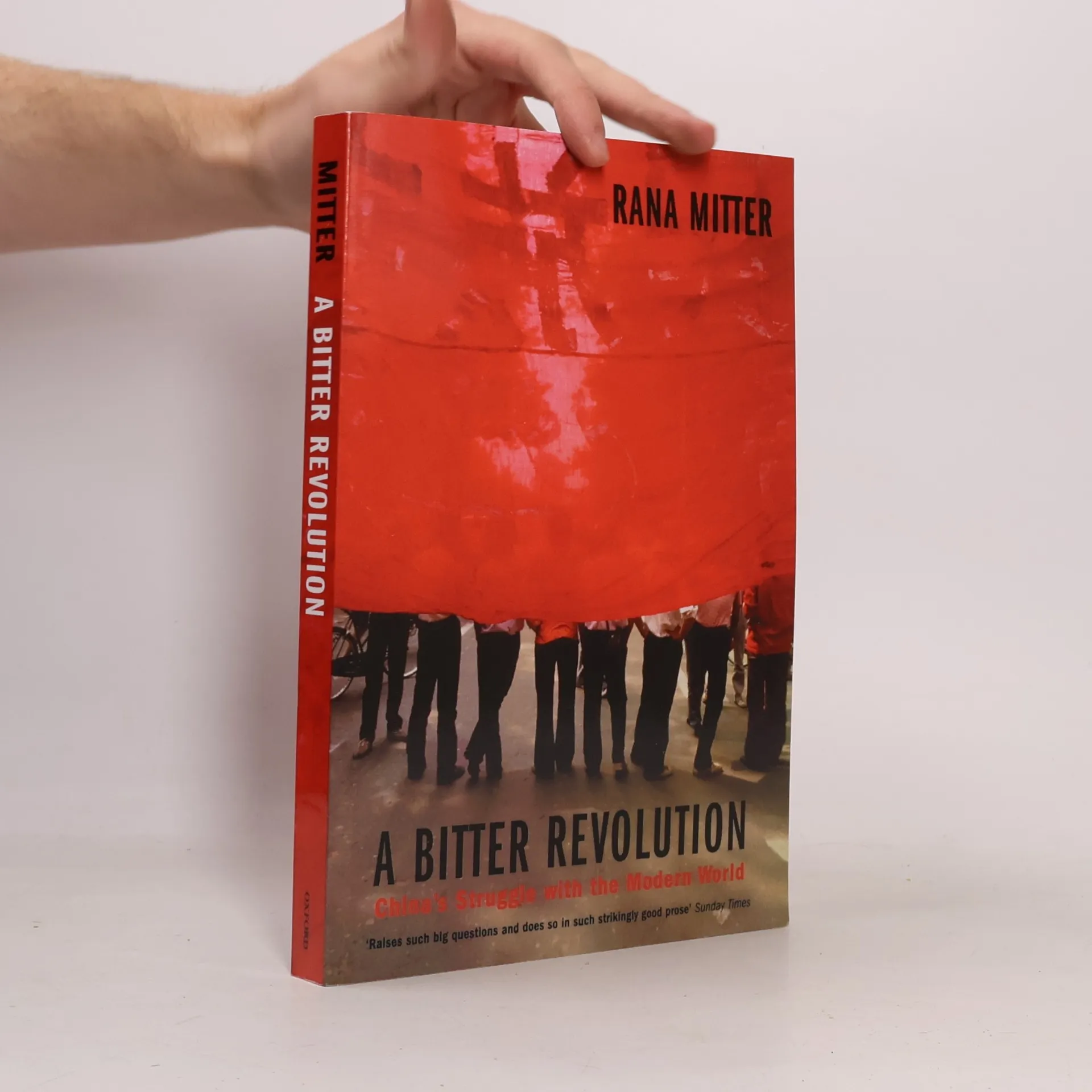
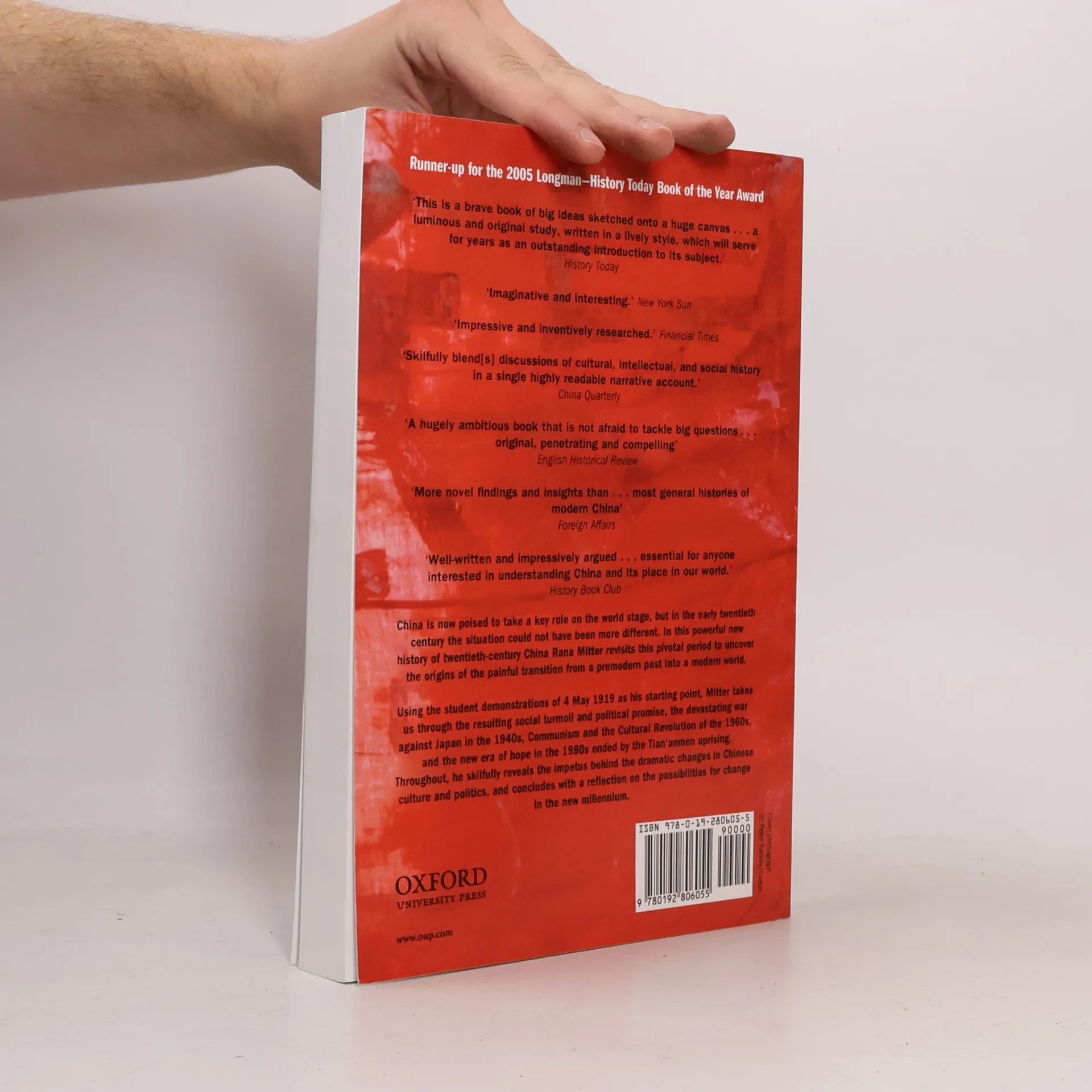
Maggiori informazioni sul libro
China is poised to take a key role on the world stage, but in the early twentieth century the situation could not have been more different. This book goes back to this pivotal moment in Chinese history to uncover the origins of the painful transition from a premodern past into a modern world.
Pubblicazione

Acquisto del libro
The Making of the Modern World: A Bitter Revolution, Rana Mitter
- Lingua

- Pubblicato
- 2010
- Rilegatura
- (In brossura),
- Condizioni del libro
- In buone condizioni
- Prezzo
- 7,39 €
Metodi di pagamento
Qui potrebbe esserci la tua recensione.
- Titolo
- The Making of the Modern World: A Bitter Revolution
- Lingua
- Inglese
- Autori
- Rana Mitter
- Editore
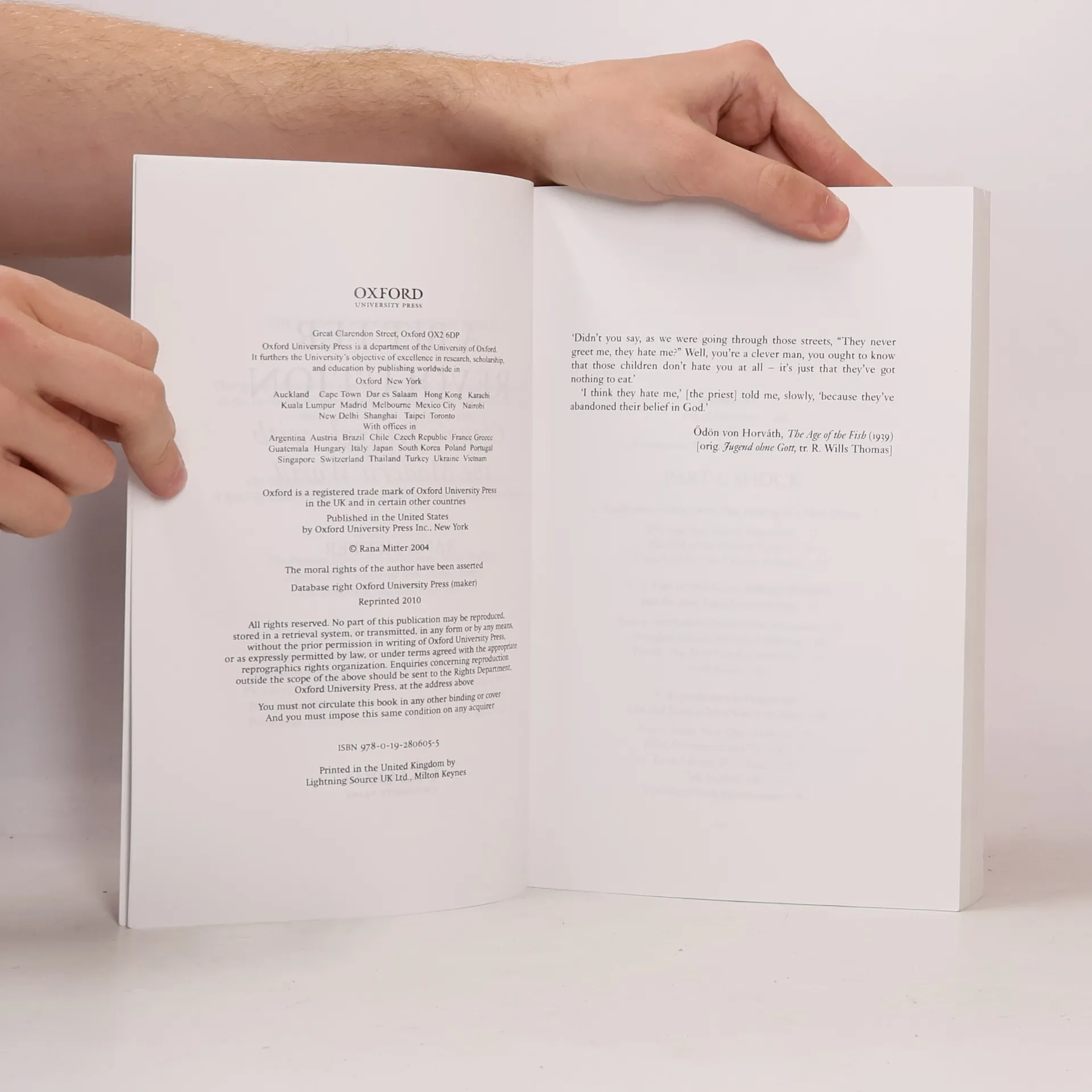
- Oxford University Press
- Pubblicato
- 2010
- Formato
- In brossura
- Pagine
- 384
- ISBN10
- 019280605X
- ISBN13
- 9780192806055
- Serie
- Valutazione
- 3,25 su 5
- Descrizione
- China is poised to take a key role on the world stage, but in the early twentieth century the situation could not have been more different. This book goes back to this pivotal moment in Chinese history to uncover the origins of the painful transition from a premodern past into a modern world.