

Maggiori informazioni sul libro
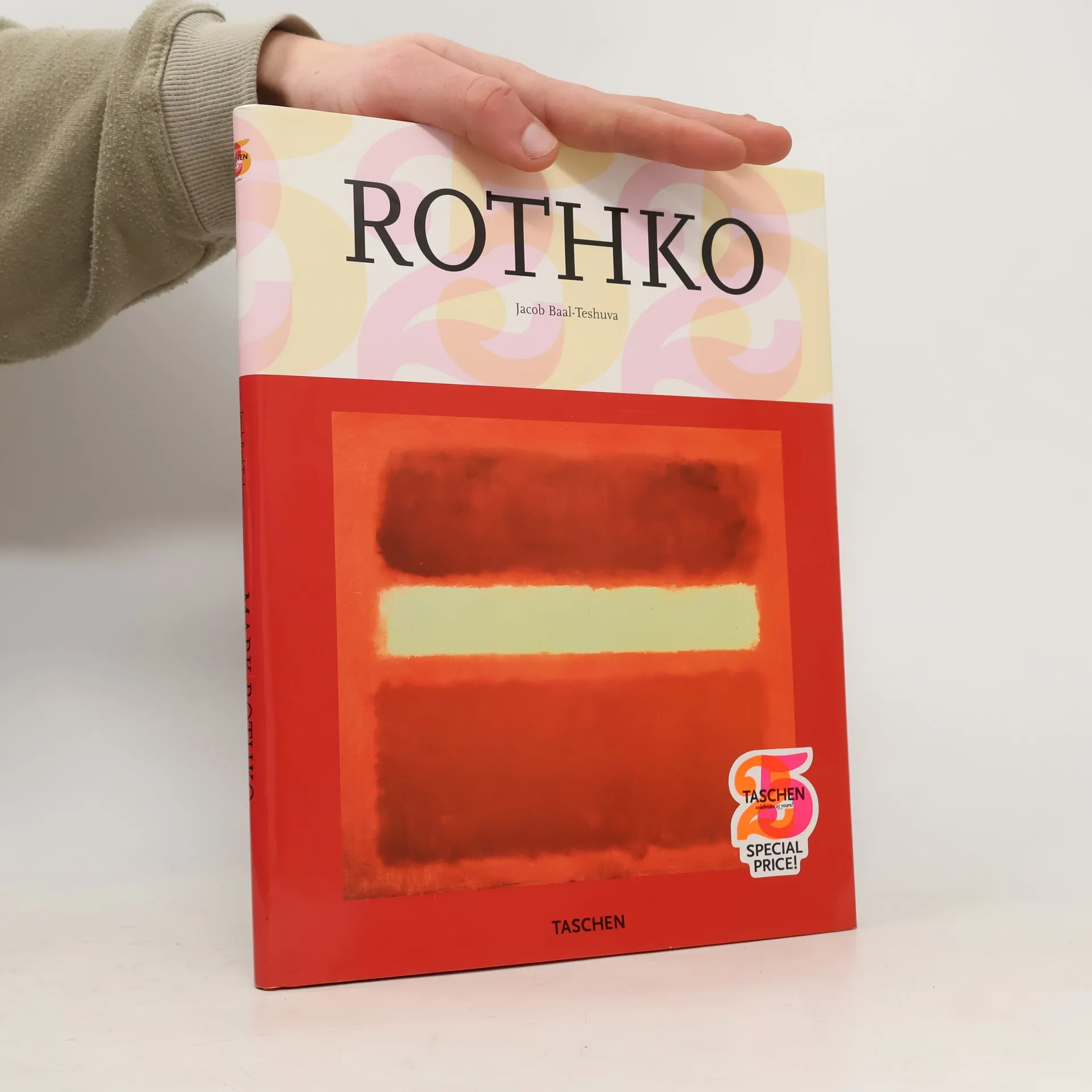
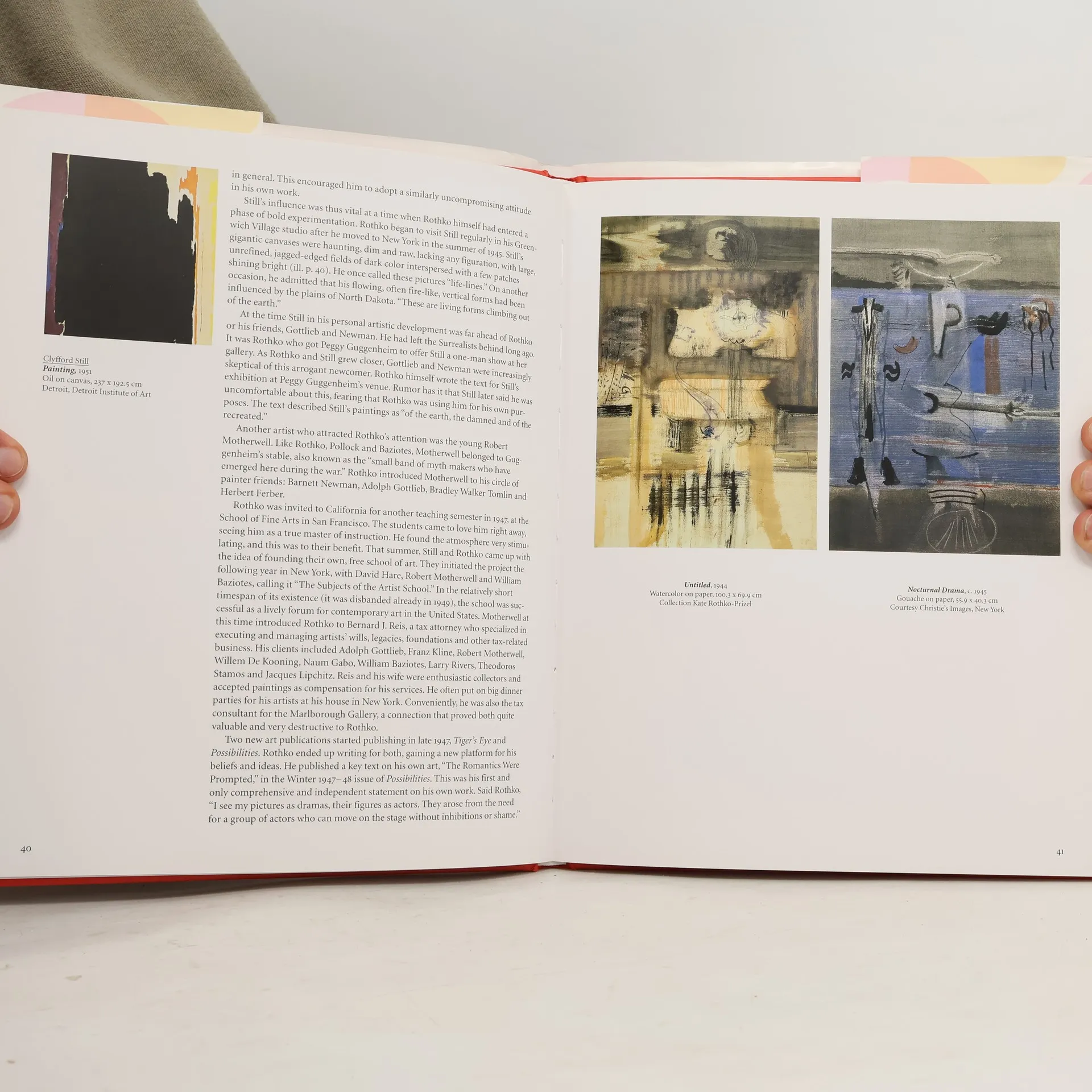
This volume contains a survey of the works by Russian-born American painter Mark Rothko (1903-1970). Rothko belongs to the generation of American artists who completely revolutionized the essence of abstract painting. His stylistic evolution, from a figurative visual repertoire to an abstract style rooted in the active relationship of the observer to the painting, embodied the radical vision of a renaissance in painting. Rothko characterized this relationship as a consummated experience between picture and onlooker. His color formations indeed draw the observer into a space filled with an inner light. He was mainly concerned with the viewer's experience, the merging of work and recipient beyond verbal comprehension





Acquisto del libro
Mark Rothko : 1903-1970 : pictures as drama, Jacob Baal Teshuva, Mark Rothko
- Lingua

- Pubblicato
- 2009
- Rilegatura
- (Copertina rigida)
Metodi di pagamento
Qui potrebbe esserci la tua recensione.
- Titolo
- Mark Rothko : 1903-1970 : pictures as drama
- Lingua
- Inglese
- Autori
- Jacob Baal Teshuva, Mark Rothko
- Editore
- Taschen
- Pubblicato
- 2009
- Formato
- Copertina rigida
- Pagine
- 96
- ISBN10
- 3836512831
- ISBN13
- 9783836512831
- Serie
- Categoria
- Valutazione
- 4,15 su 5
- Descrizione
- This volume contains a survey of the works by Russian-born American painter Mark Rothko (1903-1970). Rothko belongs to the generation of American artists who completely revolutionized the essence of abstract painting. His stylistic evolution, from a figurative visual repertoire to an abstract style rooted in the active relationship of the observer to the painting, embodied the radical vision of a renaissance in painting. Rothko characterized this relationship as a consummated experience between picture and onlooker. His color formations indeed draw the observer into a space filled with an inner light. He was mainly concerned with the viewer's experience, the merging of work and recipient beyond verbal comprehension