



Maggiori informazioni sul libro
In 1918 the Danube Monarchy ceased to exist and its provinces became parts of the Monarchy's successor states, which increasingly assumed the character of nation-states. The regimes of these countries were usually oblivious and/or hostile to remnants of the erstwhile Austrian rule due to ideological reasons: they treated them as traces of a superimposed imperial power and an alien - democratic, pluralistic, liberal - tradition. Notwithstanding that fact, erasing the Habsburg Empire from maps of Europe did not entail the entire cancelation of its legacy on the former Habsburg territories. Although officially neglected or suppressed, this legacy made itself felt, overtly or tacitly, in discourses present in the public sphere of the countries that superseded the Monarchy.
Acquisto del libro
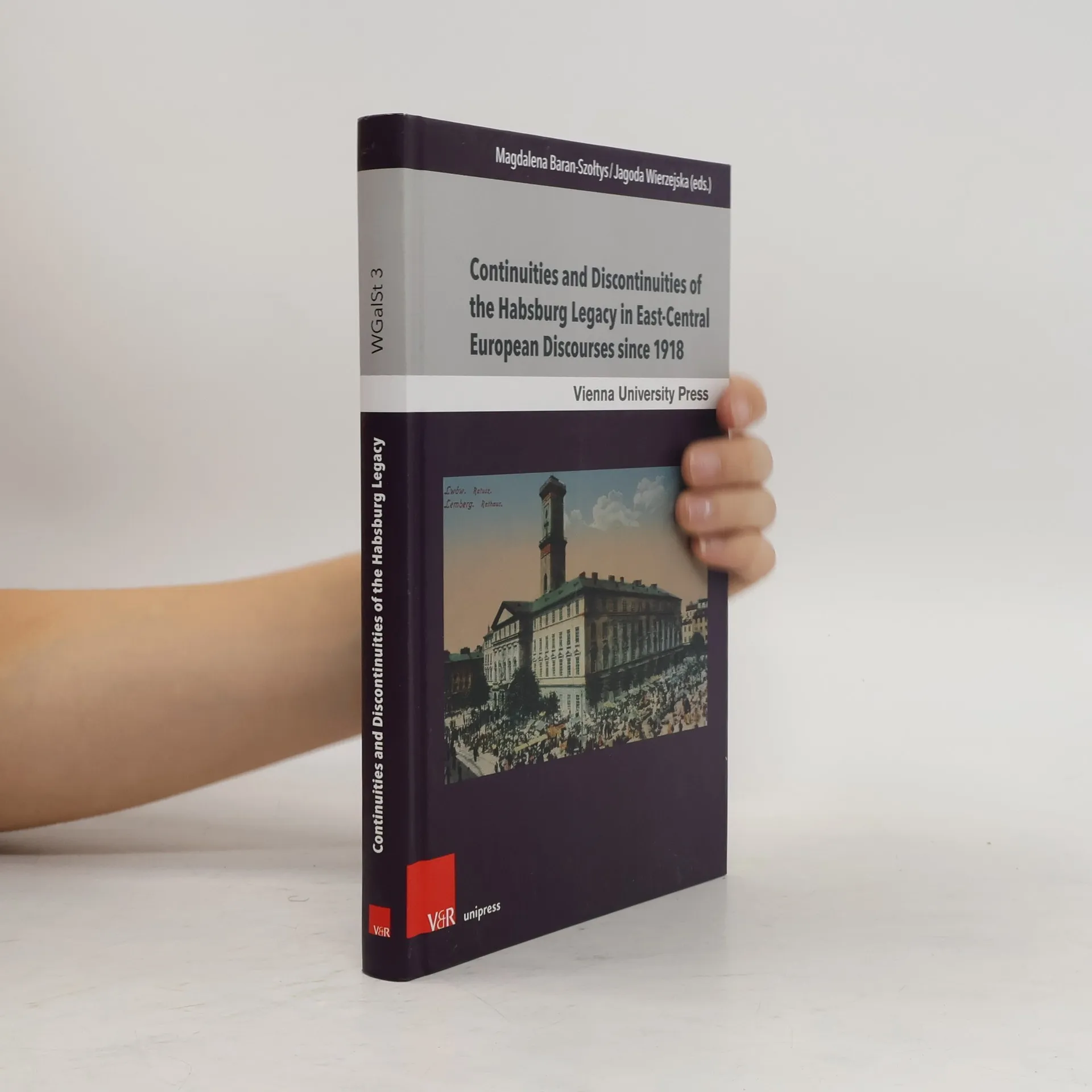
Continuities and Discontinuities of the Habsburg Legacy in East-Central European Discourses since 1918, Magdalena Baran-Szołtys
- Lingua

- Pubblicato
- 2020
- Rilegatura
- (Copertina rigida)
Metodi di pagamento
Ancora nessuna valutazione.
- Titolo
- Continuities and Discontinuities of the Habsburg Legacy in East-Central European Discourses since 1918
- Sottotitolo
- With a foreword by Christoph Augustynowicz
- Lingua
- Inglese
- Autori
- Magdalena Baran-Szołtys
- Editore
- V & R Unipress GmbH
- Pubblicato
- 2020
- Formato
- Copertina rigida
- Pagine
- 250
- ISBN10
- 3847109235
- ISBN13
- 9783847109235
- Serie
- Tag
- Tema stórico
- Descrizione
- In 1918 the Danube Monarchy ceased to exist and its provinces became parts of the Monarchy's successor states, which increasingly assumed the character of nation-states. The regimes of these countries were usually oblivious and/or hostile to remnants of the erstwhile Austrian rule due to ideological reasons: they treated them as traces of a superimposed imperial power and an alien - democratic, pluralistic, liberal - tradition. Notwithstanding that fact, erasing the Habsburg Empire from maps of Europe did not entail the entire cancelation of its legacy on the former Habsburg territories. Although officially neglected or suppressed, this legacy made itself felt, overtly or tacitly, in discourses present in the public sphere of the countries that superseded the Monarchy.