Bookbot

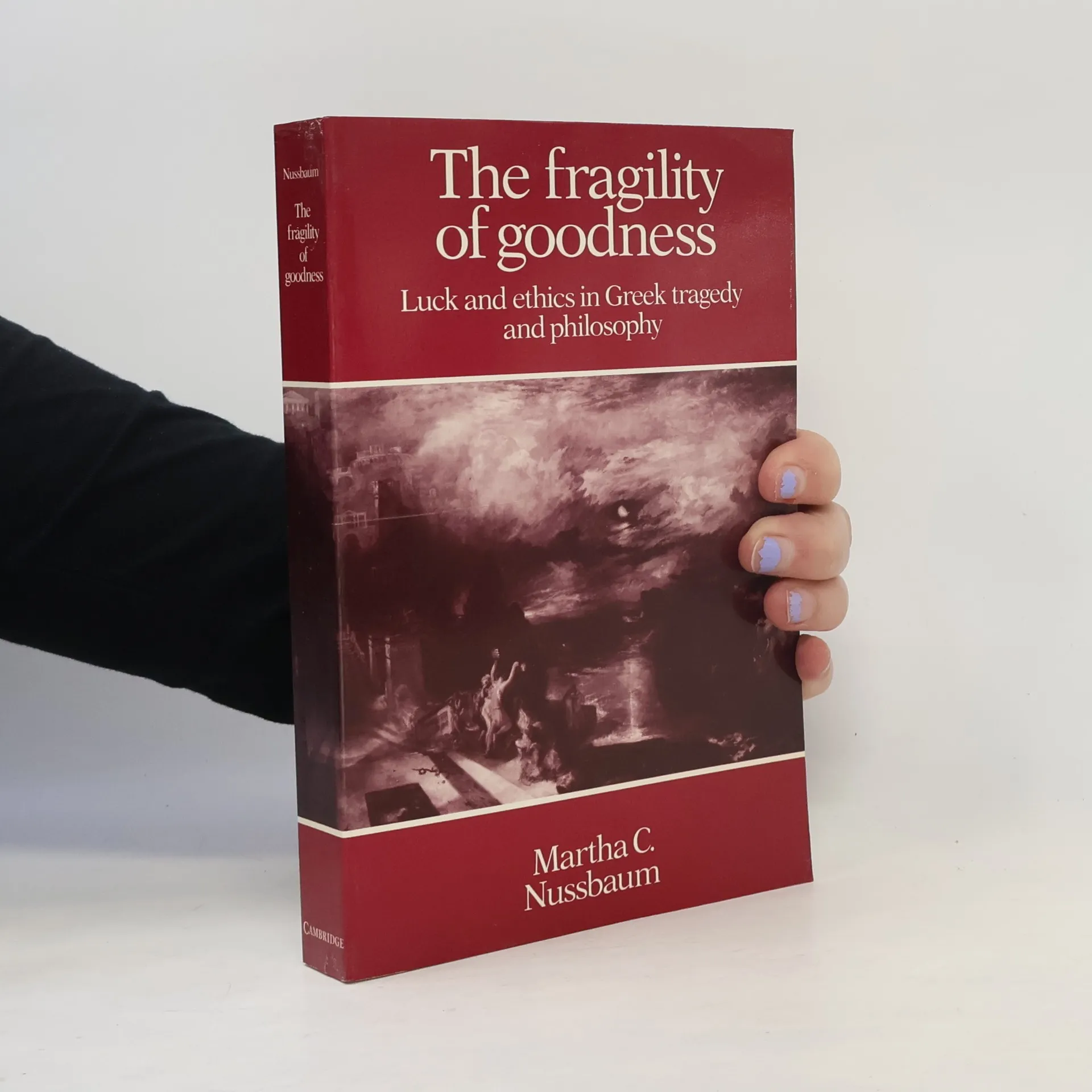
The Fragility of Goodness

Valutazione del libro

Maggiori informazioni sul libro

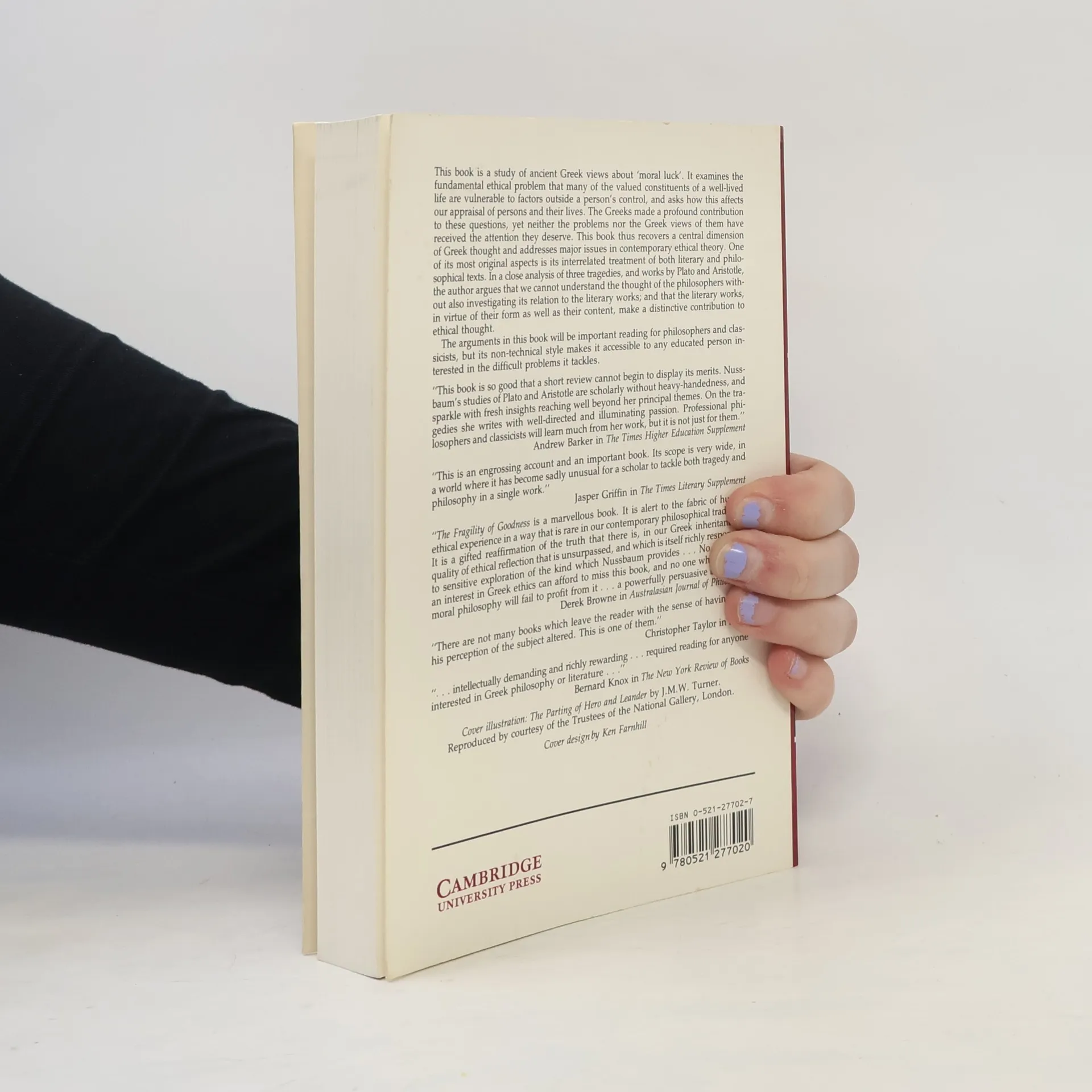
This book is a study of ancient Greek views about 'moral luck'. It examines the fundamental ethical problem that many of the valued constituents of a well-lived life are vulnerable to factors outside a person's control, and asks how this affects our appraisal of persons and their lives. The Greeks made a profound contribution to these questions, yet neither the problems nor the Greek views of them have received the attention they deserve. This book thus recovers a central dimension of Greek thought and addresses major issues in contemporary ethical theory. One of its most original aspects is its interelated treatment of both literary and philosophical texts. In a close analysis of three tragedies, and works by Plato and Aristotle, the author argues that we cannot understand the thought of the philosophers without also investigating its relation to the literary works; and that the literary works, in virtue of their form as well as their content, make a distinctive contribution to ethical thought. --From publisher's description

Acquisto del libro

The Fragility of Goodness, Martha Craven Nussbaum

Lingua
Pubblicato
1986
product-detail.submit-box.info.binding
(In brossura)
Ti avviseremo via email non appena lo rintracceremo.

Metodi di pagamento

2,0
Sentimenti contrastanti
1 Valutazioni

Qui potrebbe esserci la tua recensione.

Titolo
The Fragility of Goodness
Lingua
Inglese
Pubblicato
1986
Formato
In brossura
ISBN10
0521257689
ISBN13
9780521257688
Serie
Valutazione
2 su 5
Descrizione
This book is a study of ancient Greek views about 'moral luck'. It examines the fundamental ethical problem that many of the valued constituents of a well-lived life are vulnerable to factors outside a person's control, and asks how this affects our appraisal of persons and their lives. The Greeks made a profound contribution to these questions, yet neither the problems nor the Greek views of them have received the attention they deserve. This book thus recovers a central dimension of Greek thought and addresses major issues in contemporary ethical theory. One of its most original aspects is its interelated treatment of both literary and philosophical texts. In a close analysis of three tragedies, and works by Plato and Aristotle, the author argues that we cannot understand the thought of the philosophers without also investigating its relation to the literary works; and that the literary works, in virtue of their form as well as their content, make a distinctive contribution to ethical thought. --From publisher's description