


Maggiori informazioni sul libro
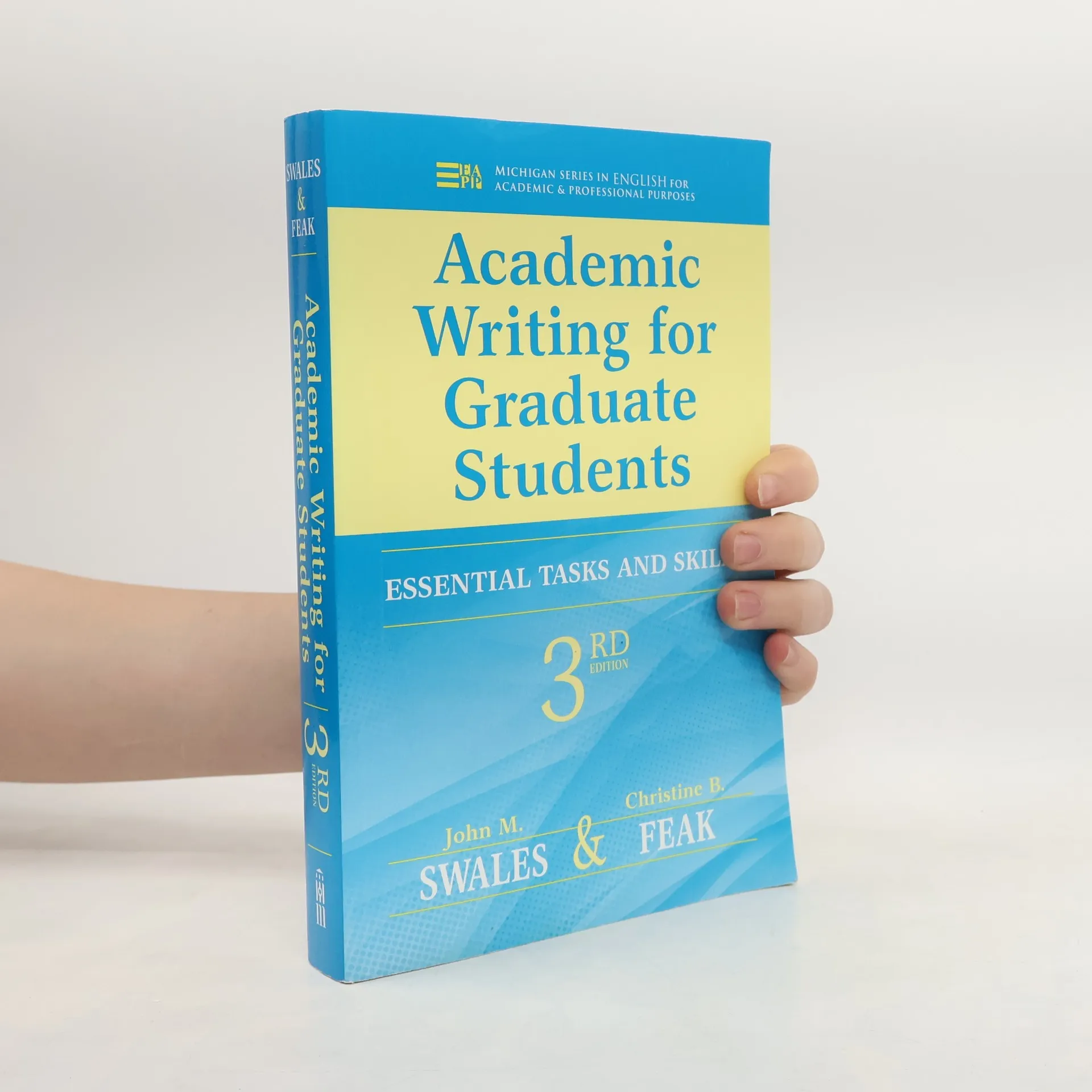
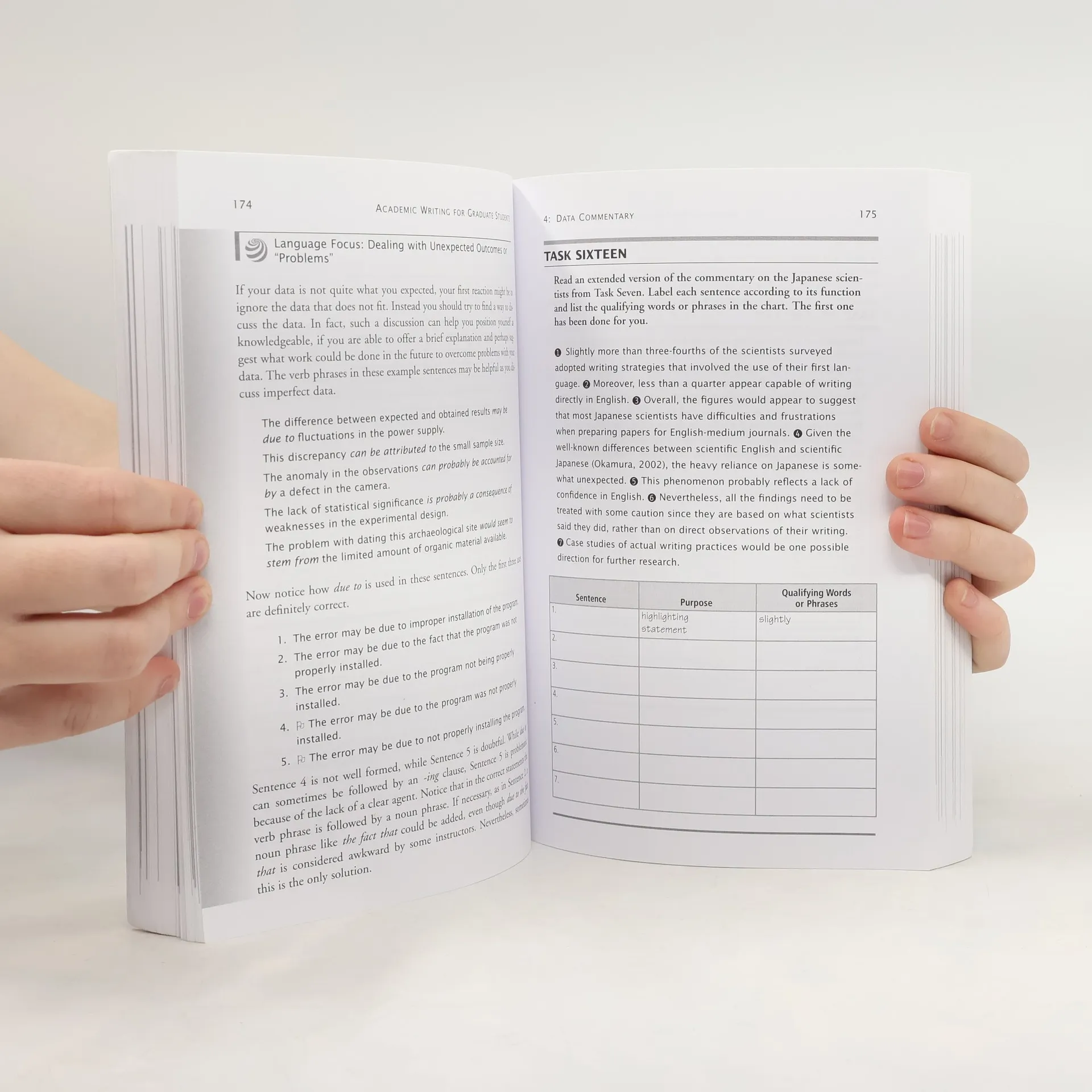
Like its predecessor, the third edition of Academic Writing for Graduate Students explains understanding the intended audience, the purpose of the paper, and academic genres; includes the use of task-based methodology, analytic group discussion, and genre consciousness-raising; shows how to write summaries and critiques; features Language Focus sections that address linguistic elements as they affect the wider rhetorical objectives; and helps students position themselves as junior scholars in their academic communities. Among the many changes in the third edition: *newer, longer, and more authentic texts and examples *greater discipline variety in texts (added texts from hard sciences and engineering) *more in-depth treatment of research articles *greater emphasis on vocabulary issues *revised flow-of-ideas section *additional tasks that require students to do their own research *more corpus-informed content *binding that allows the book to lay flat when open. The Commentary (teacher's notes and key) (978-0-472-03506-9) has been revised expanded.


Acquisto del libro
Academic writing for graduate students, John Swales, Christine B. Feak
- Lingua

- Pubblicato
- 2015
- Rilegatura
- (In brossura)
Metodi di pagamento
Qui potrebbe esserci la tua recensione.
- Lingua
- Inglese
- Autori
- John Swales, Christine B. Feak
- Editore
- The University of Michigan
- Pubblicato
- 2015
- Formato
- In brossura
- Pagine
- 418
- ISBN10
- 0472034758
- ISBN13
- 9780472034758
- Serie
- Tag
- Saggistica, Scienze sociali, Lingue, Scuola, Educazione, istruzione, Linguistica, Scrittura, Studi post-laurea
- Valutazione
- 3,85 su 5
- Descrizione
- Like its predecessor, the third edition of Academic Writing for Graduate Students explains understanding the intended audience, the purpose of the paper, and academic genres; includes the use of task-based methodology, analytic group discussion, and genre consciousness-raising; shows how to write summaries and critiques; features Language Focus sections that address linguistic elements as they affect the wider rhetorical objectives; and helps students position themselves as junior scholars in their academic communities. Among the many changes in the third edition: *newer, longer, and more authentic texts and examples *greater discipline variety in texts (added texts from hard sciences and engineering) *more in-depth treatment of research articles *greater emphasis on vocabulary issues *revised flow-of-ideas section *additional tasks that require students to do their own research *more corpus-informed content *binding that allows the book to lay flat when open. The Commentary (teacher's notes and key) (978-0-472-03506-9) has been revised expanded.