





Maggiori informazioni sul libro
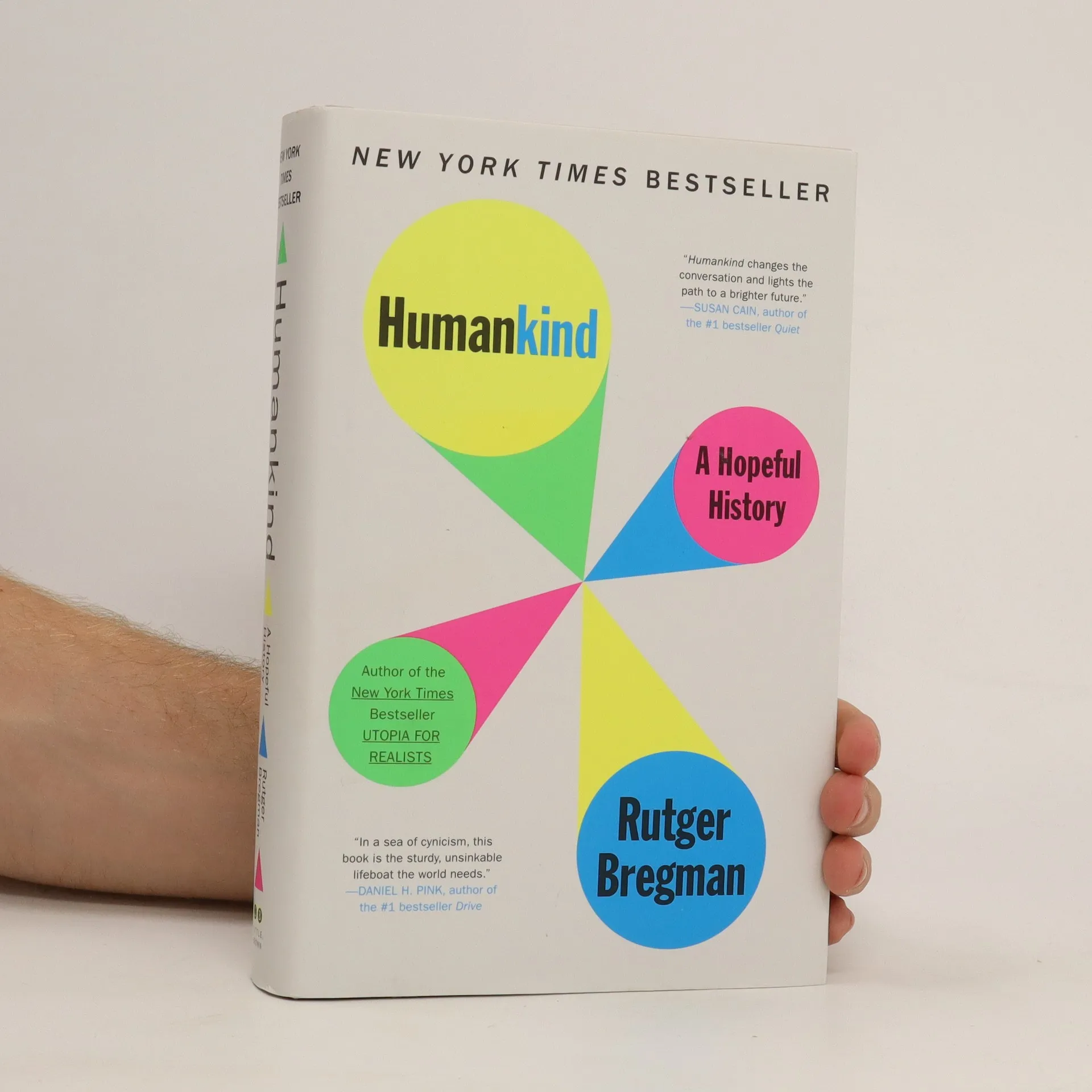
From the author of a New York Times bestseller comes a revolutionary argument that the innate goodness and cooperation of human beings has been the greatest factor in our success. Rutger Bregman asserts that every progressive idea—such as the abolition of slavery, democracy, women's suffrage, and marriage equality—was once deemed radical by mainstream opinion. He challenges the entrenched belief that humans are inherently selfish, offering a new historical perspective on 200,000 years of human history to demonstrate that we are evolutionarily wired for cooperation. Bregman systematically debunks widely accepted interpretations of the Milgram experiment, the Zimbardo prison experiment, and the Kitty Genovese "bystander effect," replacing them with lesser-known true stories, such as twin brothers from opposing sides of apartheid who united for peace, and shipwrecked children who survived by working together. He also cites a post-World War II study revealing that only 15% of American soldiers could fire at the enemy. Bregman argues for a third social option beyond capitalism and communism: empowering citizens and professionals to make their own choices. By fostering positive expectations of humanity, he believes we can achieve lasting success, presenting his insights with wit and accessibility for all readers.





Acquisto del libro
Humankind : a hopeful history, Rutger Bregman
- Lingua

- Pubblicato
- 2021
- Rilegatura
- (Copertina rigida)
Metodi di pagamento
Qui potrebbe esserci la tua recensione.
- Lingua
- Inglese
- Autori
- Rutger Bregman
- Editore
- Little, Brown and Company
- Pubblicato
- 2021
- Formato
- Copertina rigida
- Pagine
- 480
- ISBN10
- 0316418536
- ISBN13
- 9780316418539
- Serie
- Tag
- Saggistica, Scienze sociali, Tema stórico, Storia, Storie vere, Biografie, Scienze politiche & Politica, Temi psicologici, Tematica filosofica, Psicologia, Filosofia, Politica, Scienza, Regali per il nonno, Società, Biografie di politici, Riflessioni e Pensieri, Umanità, Storia dell'umanità, Antropologia filosofica, Situazioni di crisi
- Prima pubblicazione
- 2019
- Titolo originale
- De meeste mensen deugen: een nieuwe geschiedenis van de mens
- Valutazione
- 4,2 su 5
- Descrizione
- From the author of a New York Times bestseller comes a revolutionary argument that the innate goodness and cooperation of human beings has been the greatest factor in our success. Rutger Bregman asserts that every progressive idea—such as the abolition of slavery, democracy, women's suffrage, and marriage equality—was once deemed radical by mainstream opinion. He challenges the entrenched belief that humans are inherently selfish, offering a new historical perspective on 200,000 years of human history to demonstrate that we are evolutionarily wired for cooperation. Bregman systematically debunks widely accepted interpretations of the Milgram experiment, the Zimbardo prison experiment, and the Kitty Genovese "bystander effect," replacing them with lesser-known true stories, such as twin brothers from opposing sides of apartheid who united for peace, and shipwrecked children who survived by working together. He also cites a post-World War II study revealing that only 15% of American soldiers could fire at the enemy. Bregman argues for a third social option beyond capitalism and communism: empowering citizens and professionals to make their own choices. By fostering positive expectations of humanity, he believes we can achieve lasting success, presenting his insights with wit and accessibility for all readers.