



Maggiori informazioni sul libro
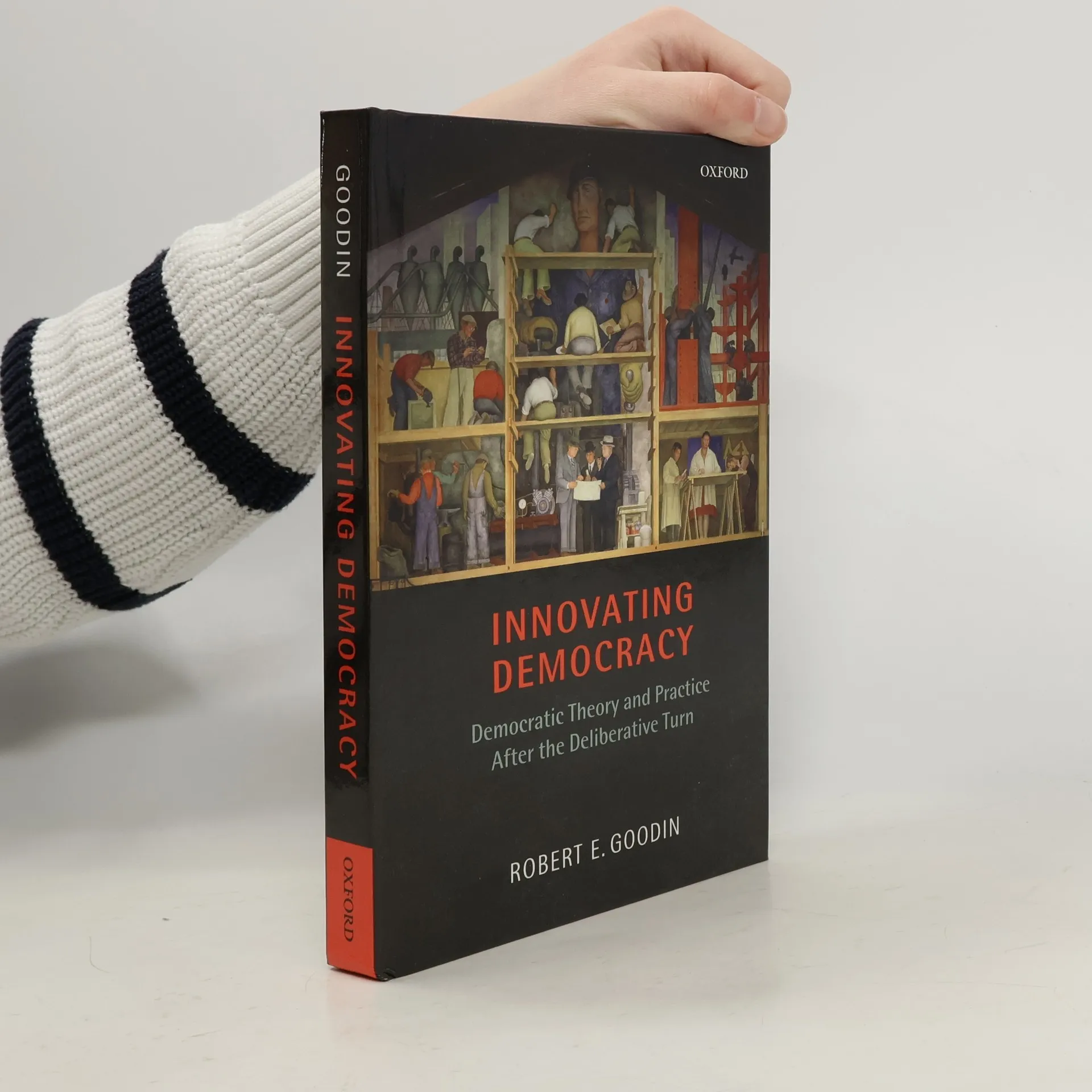
Instead of merely casting the occasional ballot, deliberative democrats want citizens to reason together. They embrace 'talk as a decision procedure'. But of course thousands or millions of people cannot realistically talk to one another all at once. When putting their theories into practice, deliberative democrats therefore tend to focus on 'mini-publics', usually of a couple dozen to a couple hundred people. In Innovating Democracy, Robert Goodin surveys these new deliberative mechanisms, asking how they work and what we can properly expect of them. He concludes we should treat talk as discovery procedure rather than as a decision procedure. Goodin goes on to show how to adapt our thinking about the familiar institutions of representative democracy to take full advantage of such deliberative inputs. That involves rethinking who should get a say, how we hold people accountable, how we sequence deliberative moments and the roles of parties and legislatures in that.
Acquisto del libro
Innovating Democracy, Robert E. Robert Edward Goodin
- Lingua

- Pubblicato
- 2008
- Rilegatura
- (Copertina rigida)
Metodi di pagamento
Ancora nessuna valutazione.
- Titolo
- Innovating Democracy
- Lingua
- Inglese
- Editore
- Oxford University Press
- Pubblicato
- 2008
- Formato
- Copertina rigida
- Pagine
- 313
- ISBN10
- 0199547947
- ISBN13
- 9780199547944
- Serie
- Categoria
- Descrizione
- Instead of merely casting the occasional ballot, deliberative democrats want citizens to reason together. They embrace 'talk as a decision procedure'. But of course thousands or millions of people cannot realistically talk to one another all at once. When putting their theories into practice, deliberative democrats therefore tend to focus on 'mini-publics', usually of a couple dozen to a couple hundred people. In Innovating Democracy, Robert Goodin surveys these new deliberative mechanisms, asking how they work and what we can properly expect of them. He concludes we should treat talk as discovery procedure rather than as a decision procedure. Goodin goes on to show how to adapt our thinking about the familiar institutions of representative democracy to take full advantage of such deliberative inputs. That involves rethinking who should get a say, how we hold people accountable, how we sequence deliberative moments and the roles of parties and legislatures in that.