Maggiori informazioni sul libro
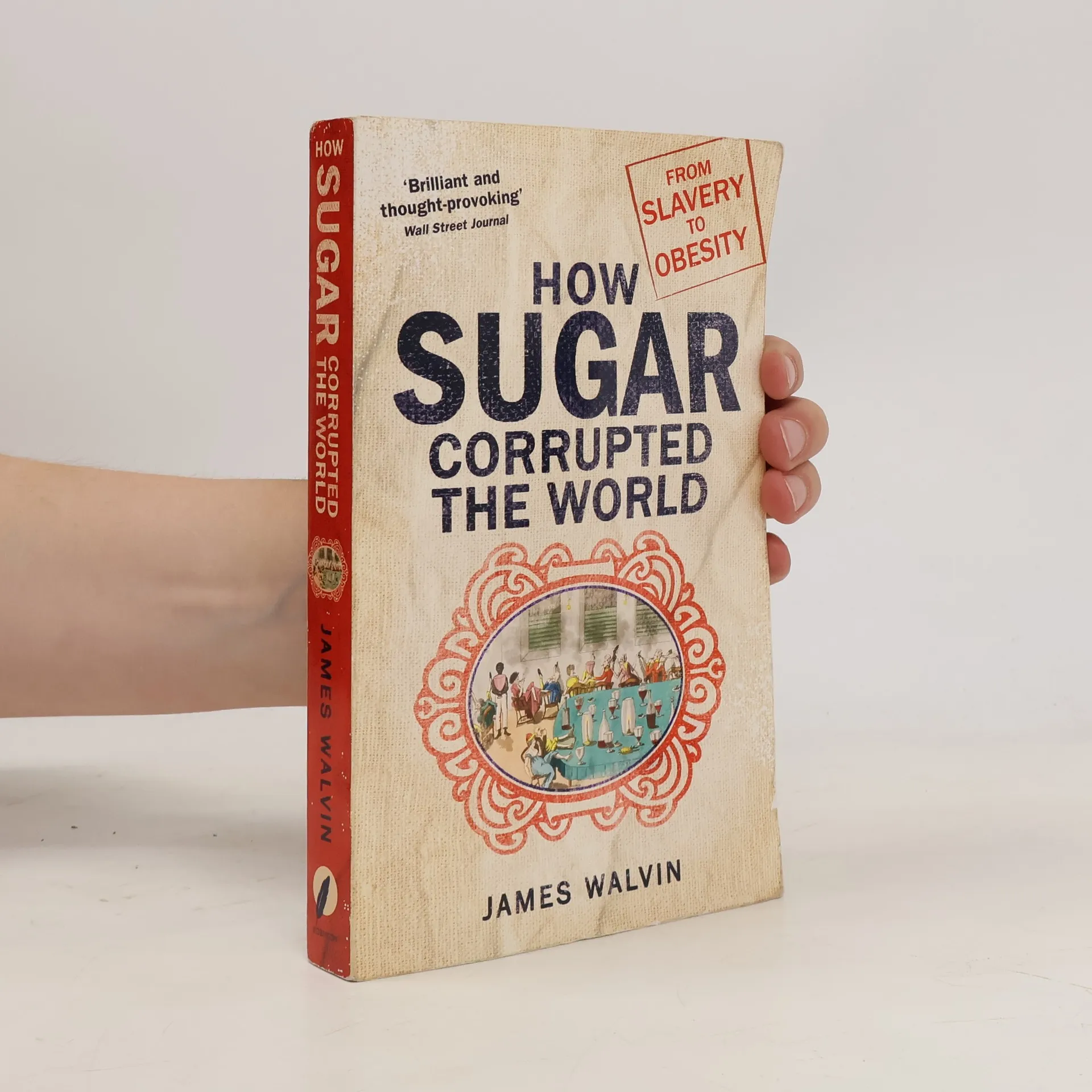
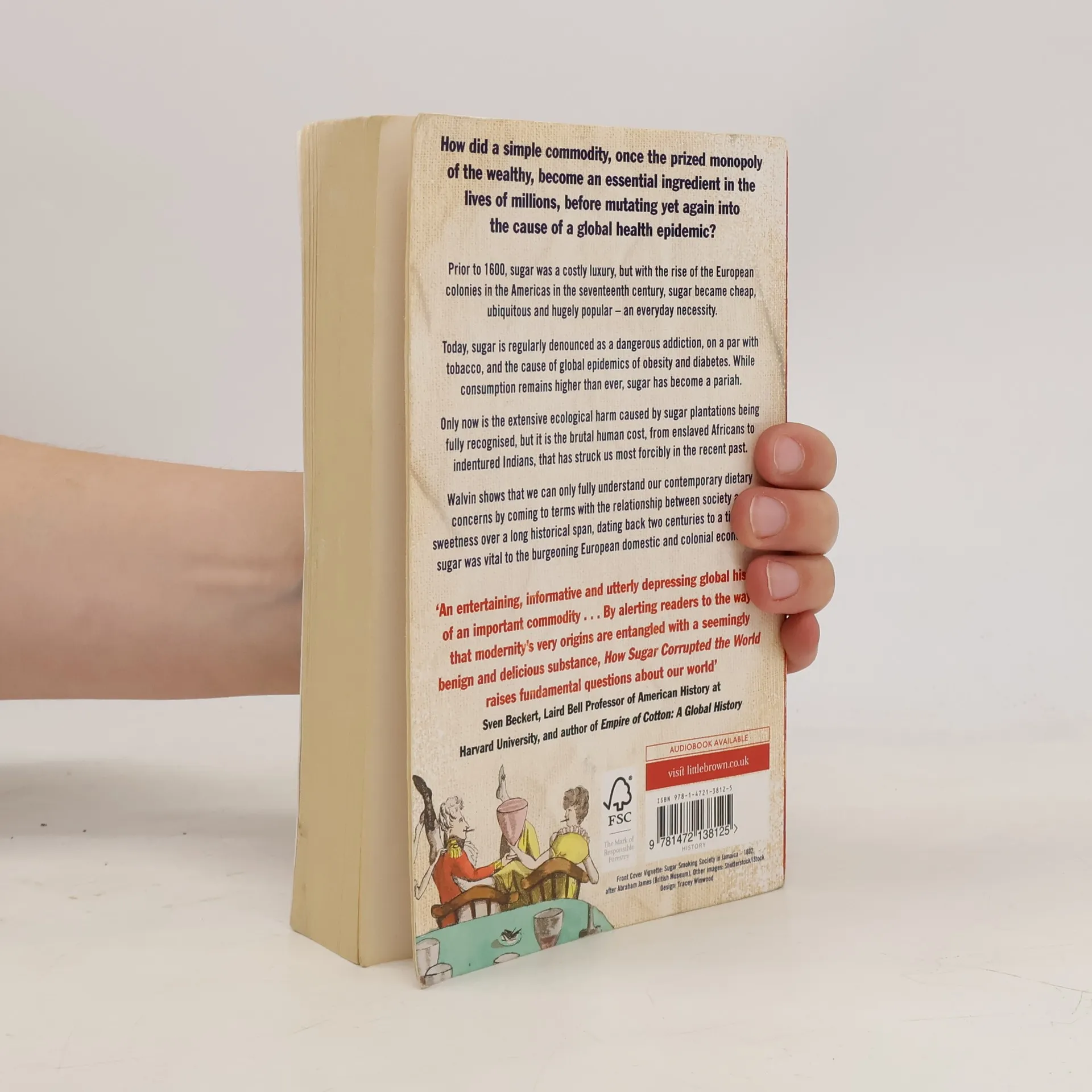
The story of sugar, and of mankind's desire for sweetness in food and drink is a compelling, though confusing story. It is also an historical story. The story of mankind's love of sweetness - the need to consume honey, cane sugar, beet sugar and chemical sweeteners - has important historical origins. To take a simple example, two centuries ago, cane sugar was vital to the burgeoning European domestic and colonial economies. For all its recent origins, today's obesity epidemic - if that is what it is - did not emerge overnight, but instead evolved from a complexity of historical forces which stretch back centuries. We can only fully understand this modern problem, by coming to terms with its genesis and history: and we need to consider the historical relationship between society and sweetness over a long historical span. This book seeks to do just that: to tell the story of how the consumption of sugar - the addition of sugar to food and drink - became a fundamental and increasingly troublesome feature of modern life
Acquisto del libro
Sugar. The World Corrupted, from Slavery to Obesity, James Walvin
- Lingua
- Pubblicato
- 2017
- product-detail.submit-box.info.binding
- (Copertina rigida)
Metodi di pagamento
Qui potrebbe esserci la tua recensione.
- Titolo
- Sugar. The World Corrupted, from Slavery to Obesity
- Lingua
- Inglese
- Autori
- James Walvin
- Editore
- Robinson
- Pubblicato
- 2017
- Formato
- Copertina rigida
- Pagine
- 288
- ISBN10
- 1472138090
- ISBN13
- 9781472138095
- Serie
- Tag
- Saggistica, Scienze sociali, Tema stórico, Storia, Salute & Medicina, Medicina, Scienze politiche & Politica, Politica, Scienza, Salute, Cibo, Regali per il nonno
- Prima pubblicazione
- 2017
- Titolo originale
- Sugar: The World Corrupted: From Slavery to Obesity
- Valutazione
- 4,2 su 5
- Descrizione
- The story of sugar, and of mankind's desire for sweetness in food and drink is a compelling, though confusing story. It is also an historical story. The story of mankind's love of sweetness - the need to consume honey, cane sugar, beet sugar and chemical sweeteners - has important historical origins. To take a simple example, two centuries ago, cane sugar was vital to the burgeoning European domestic and colonial economies. For all its recent origins, today's obesity epidemic - if that is what it is - did not emerge overnight, but instead evolved from a complexity of historical forces which stretch back centuries. We can only fully understand this modern problem, by coming to terms with its genesis and history: and we need to consider the historical relationship between society and sweetness over a long historical span. This book seeks to do just that: to tell the story of how the consumption of sugar - the addition of sugar to food and drink - became a fundamental and increasingly troublesome feature of modern life