


Maggiori informazioni sul libro
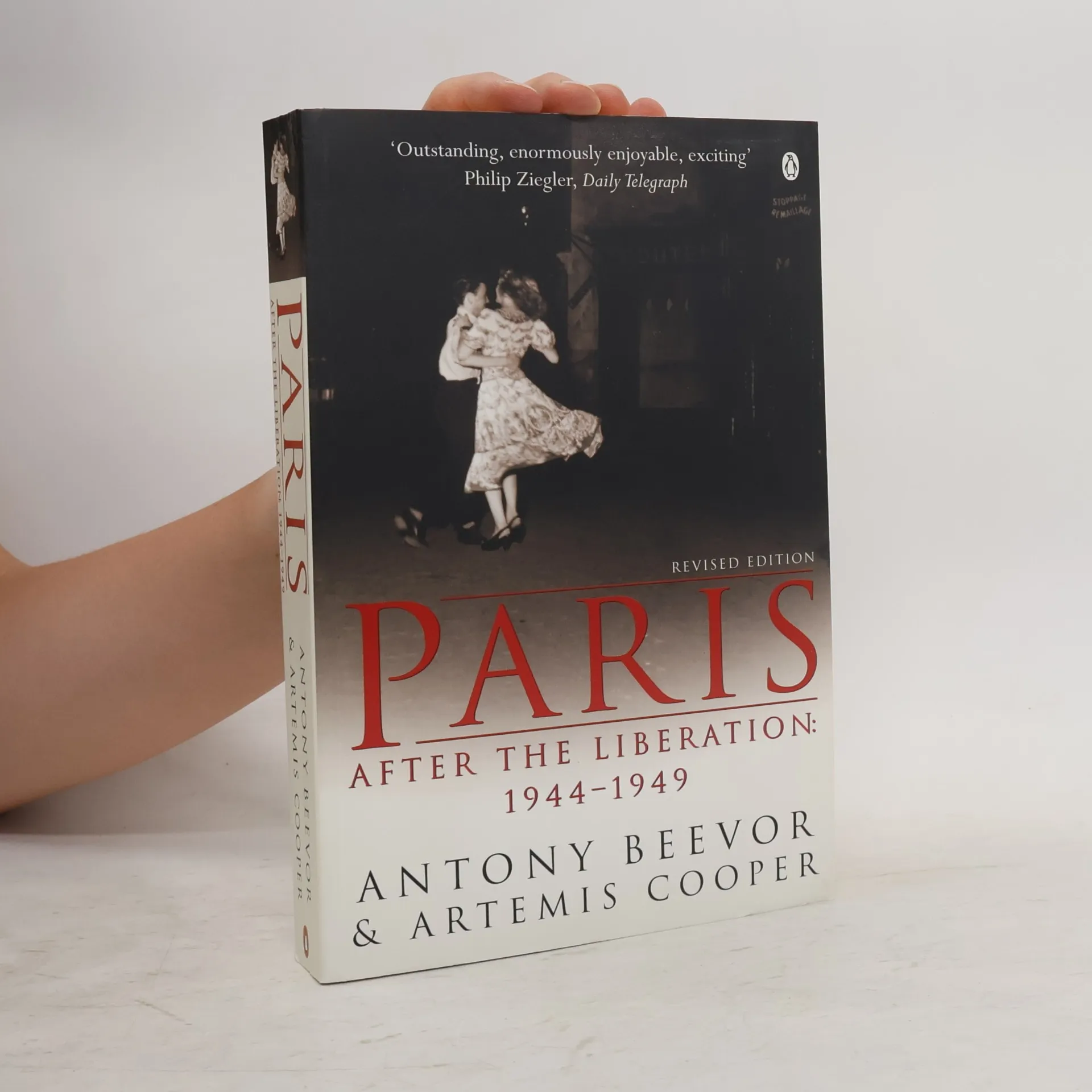
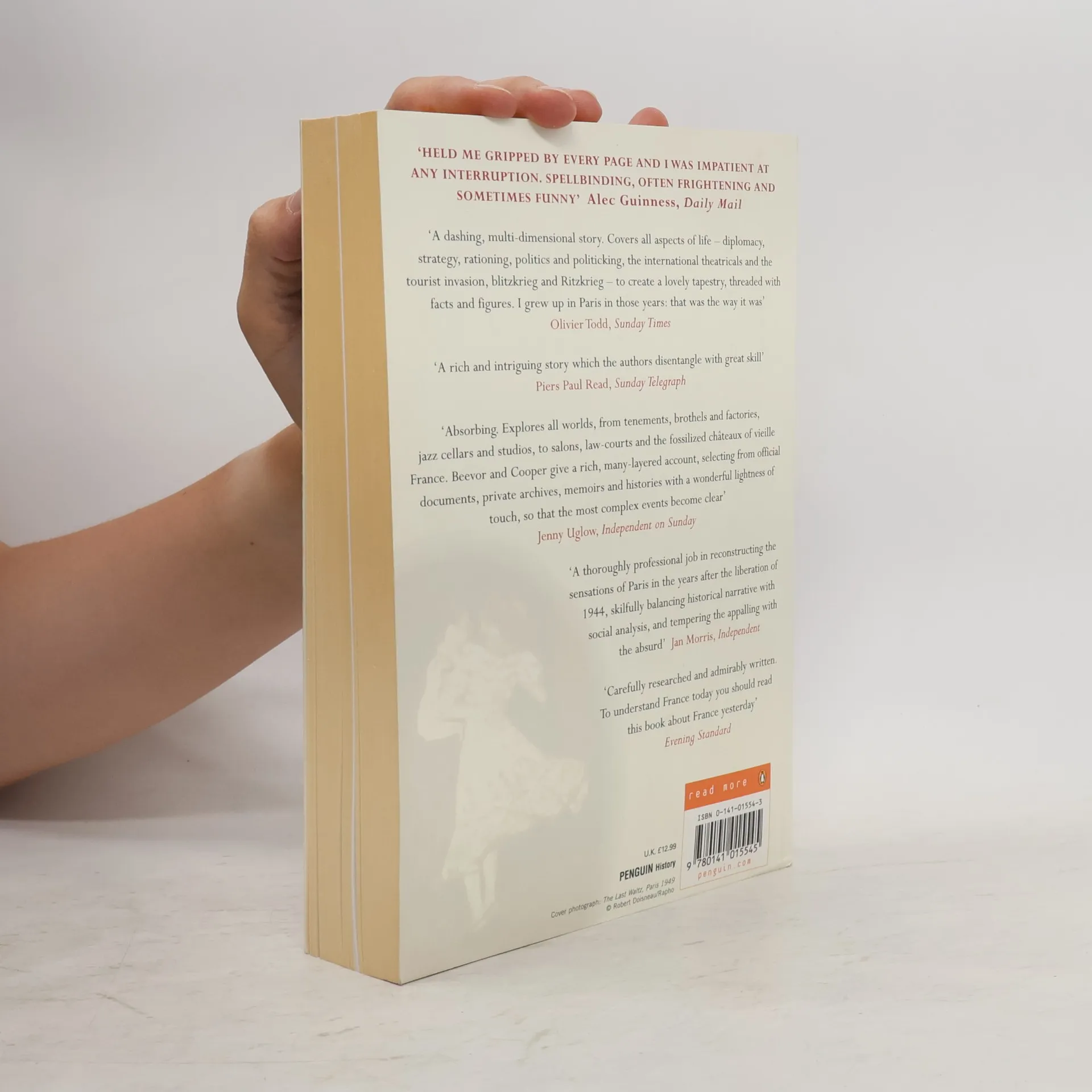
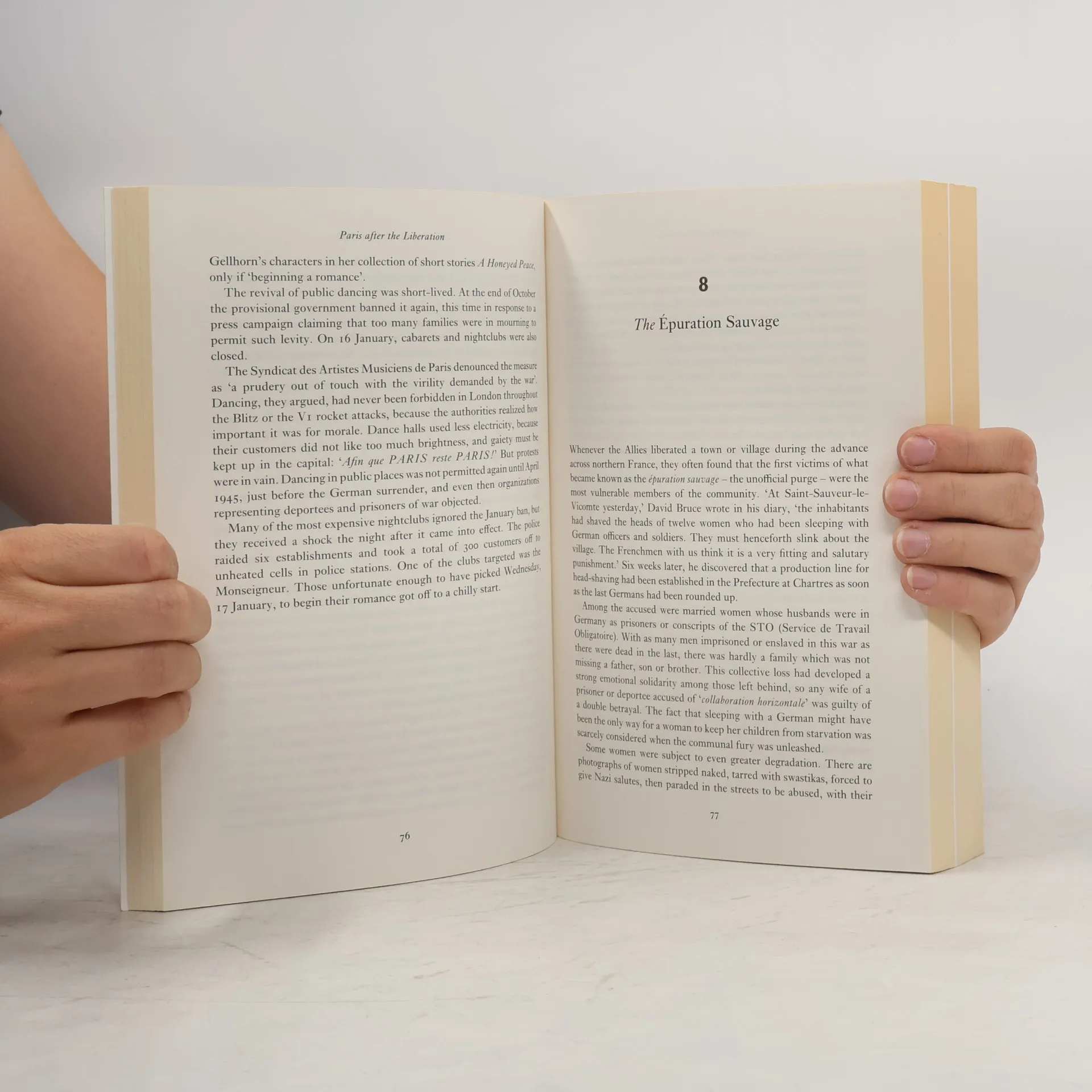
In this brilliant synthesis of social, political, and cultural history, Antony Beevor and Artemis Cooper present a vivid and compelling portrayal of the City of Lights after its liberation. Paris became the diplomatic battleground in the opening stages of the Cold War. Against this volatile political backdrop, every aspect of life is portrayed: scores were settled in a rough and uneven justice, black marketers grew rich on the misery of the population, and a growing number of intellectual luminaries and artists including Hemingway, Beckett, Camus, Sartre, de Beauvoir, Cocteau, and Picassocontributed new ideas and a renewed vitality to this extraordinary moment in time.





Acquisto del libro
Paris, Antony Beevor, Artemis Cooper
- Lingua

- Pubblicato
- 2004
- product-detail.submit-box.info.binding
- (In brossura),
- Condizioni del libro
- In buone condizioni
- Prezzo
- 10,49 €
Metodi di pagamento
Qui potrebbe esserci la tua recensione.
- Titolo
- Paris
- Sottotitolo
- After the Liberation 1944-1949 - Revised Edition
- Lingua
- Inglese
- Autori
- Antony Beevor, Artemis Cooper
- Editore
- Penguin Books Ltd
- Pubblicato
- 2004
- Formato
- In brossura
- Pagine
- 448
- ISBN10
- 0141015543
- ISBN13
- 9780141015545
- Serie
- Tag
- Saggistica, Tema stórico, Storia, Storia Militare, Francia, Guerre, Seconda guerra mondiale, Storia d'Europa, Parigi, Periodo post-bellico, Storia della Francia, Anno 1945, Società e politica, Anno 1944, Anno 1948, Anno 1946, Anno 1947
- Prima pubblicazione
- 1994
- Titolo originale
- Paris After the Liberation, 1944–1949
- Valutazione
- 3,85 su 5
- Descrizione
- In this brilliant synthesis of social, political, and cultural history, Antony Beevor and Artemis Cooper present a vivid and compelling portrayal of the City of Lights after its liberation. Paris became the diplomatic battleground in the opening stages of the Cold War. Against this volatile political backdrop, every aspect of life is portrayed: scores were settled in a rough and uneven justice, black marketers grew rich on the misery of the population, and a growing number of intellectual luminaries and artists including Hemingway, Beckett, Camus, Sartre, de Beauvoir, Cocteau, and Picassocontributed new ideas and a renewed vitality to this extraordinary moment in time.