



Maggiori informazioni sul libro
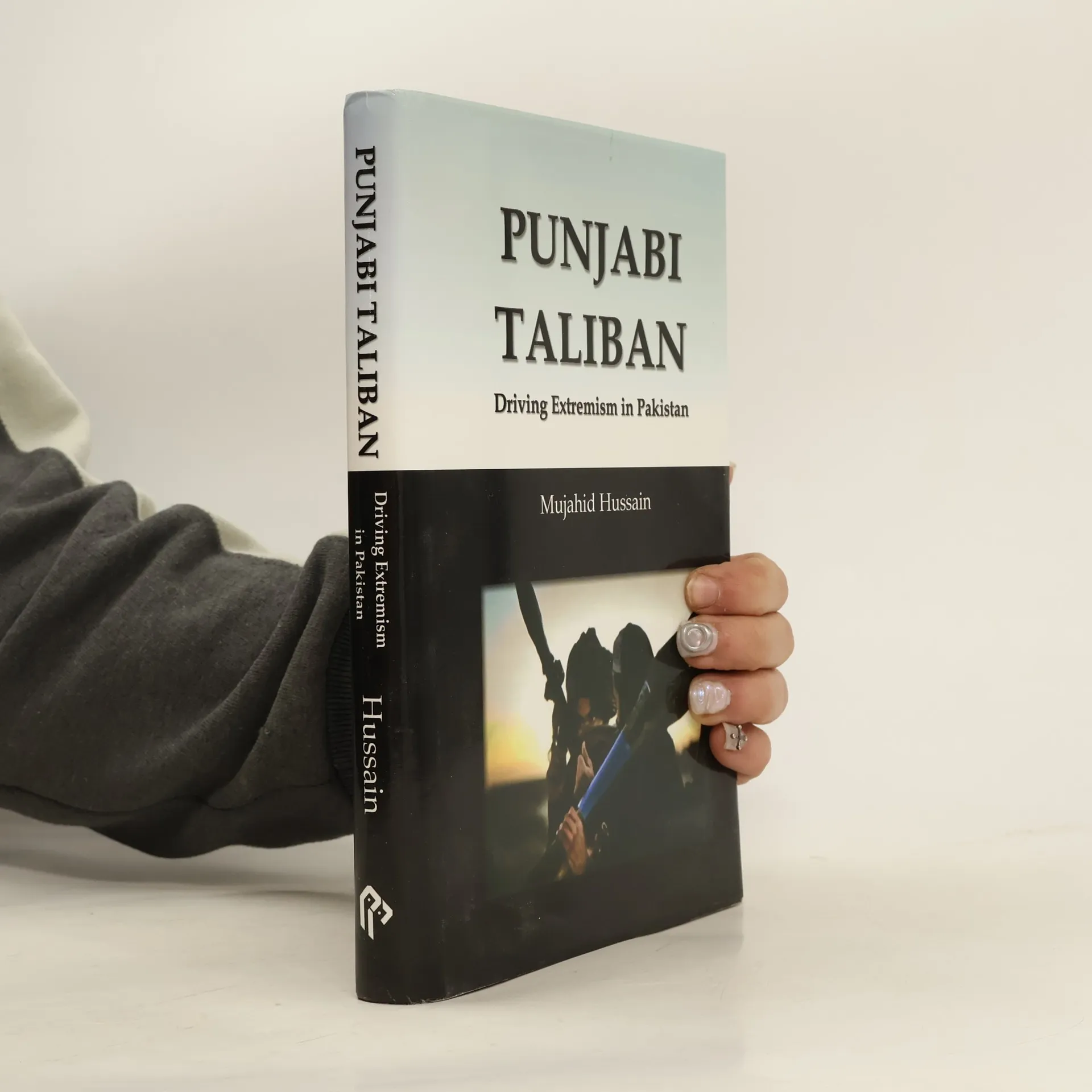
The book explores the emergence of the Taliban in Punjab, dedicating a chapter to each of the eight divisions: Lahore, Bhawalpur, Faisalabad, Gujranwala, Multan, Dera Ghazi Khan, Sargodha, and Rawalpindi. It offers a comprehensive analysis of radical and terrorist organizations, their internal conflicts, and associated activities. Citing an intelligence agency, it reveals around 150,000 insurgents from Jihadi and fundamentalist groups in Punjab, emphasizing that most fundamentalist organizations are based there, supplying a significant number of terrorists and suicide bombers to various factions in Pakistan's tribal areas. This challenges the notion that tribal insurgency is solely driven by local groups and bolsters the author's claims about the Taliban and other outlawed organizations' presence in Punjab. Following the US attacks on Al-Qaeda and the Taliban in Afghanistan, many Al-Qaeda leaders sought refuge in Punjab, with several, including Khalid Muhammad Sheikh and Abu Zubeida, arrested in cities like Rawalpindi and Faisalabad. The author's unique access to terrorist organizations provides valuable insights into this critical phase of the ongoing struggle against terrorism.
Acquisto del libro
Punjabi Taliban, Mujāhid Ḥusain
- Lingua

- Pubblicato
- 2012
- Rilegatura
- (Copertina rigida)
Metodi di pagamento
Qui potrebbe esserci la tua recensione.
- Titolo
- Punjabi Taliban
- Lingua
- Inglese
- Autori
- Mujāhid Ḥusain
- Editore
- Pentagon Press
- Pubblicato
- 2012
- Formato
- Copertina rigida
- Pagine
- 223
- ISBN10
- 8182745918
- ISBN13
- 9788182745919
- Serie
- Categoria
- Valutazione
- 2,75 su 5
- Descrizione
- The book explores the emergence of the Taliban in Punjab, dedicating a chapter to each of the eight divisions: Lahore, Bhawalpur, Faisalabad, Gujranwala, Multan, Dera Ghazi Khan, Sargodha, and Rawalpindi. It offers a comprehensive analysis of radical and terrorist organizations, their internal conflicts, and associated activities. Citing an intelligence agency, it reveals around 150,000 insurgents from Jihadi and fundamentalist groups in Punjab, emphasizing that most fundamentalist organizations are based there, supplying a significant number of terrorists and suicide bombers to various factions in Pakistan's tribal areas. This challenges the notion that tribal insurgency is solely driven by local groups and bolsters the author's claims about the Taliban and other outlawed organizations' presence in Punjab. Following the US attacks on Al-Qaeda and the Taliban in Afghanistan, many Al-Qaeda leaders sought refuge in Punjab, with several, including Khalid Muhammad Sheikh and Abu Zubeida, arrested in cities like Rawalpindi and Faisalabad. The author's unique access to terrorist organizations provides valuable insights into this critical phase of the ongoing struggle against terrorism.