

Maggiori informazioni sul libro
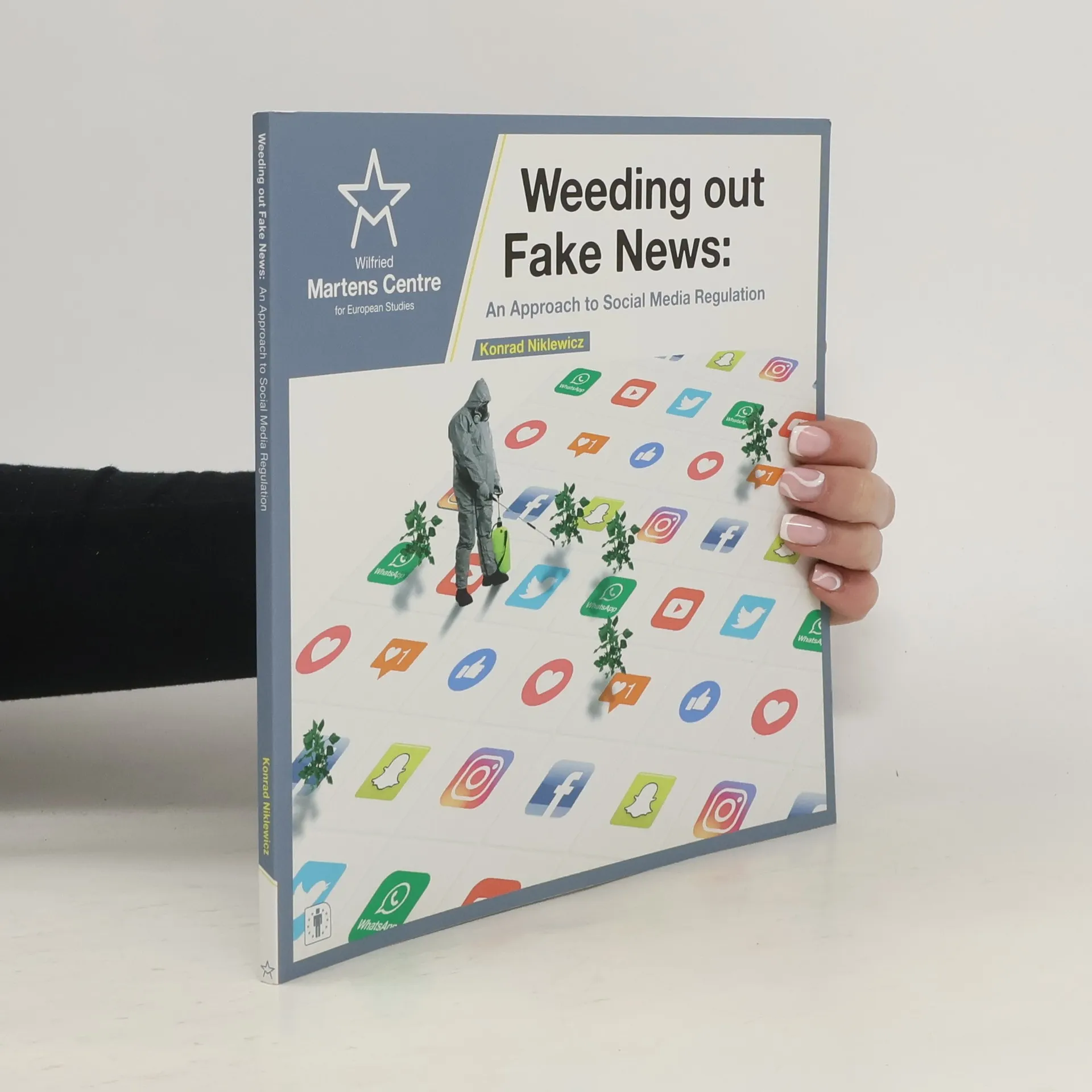
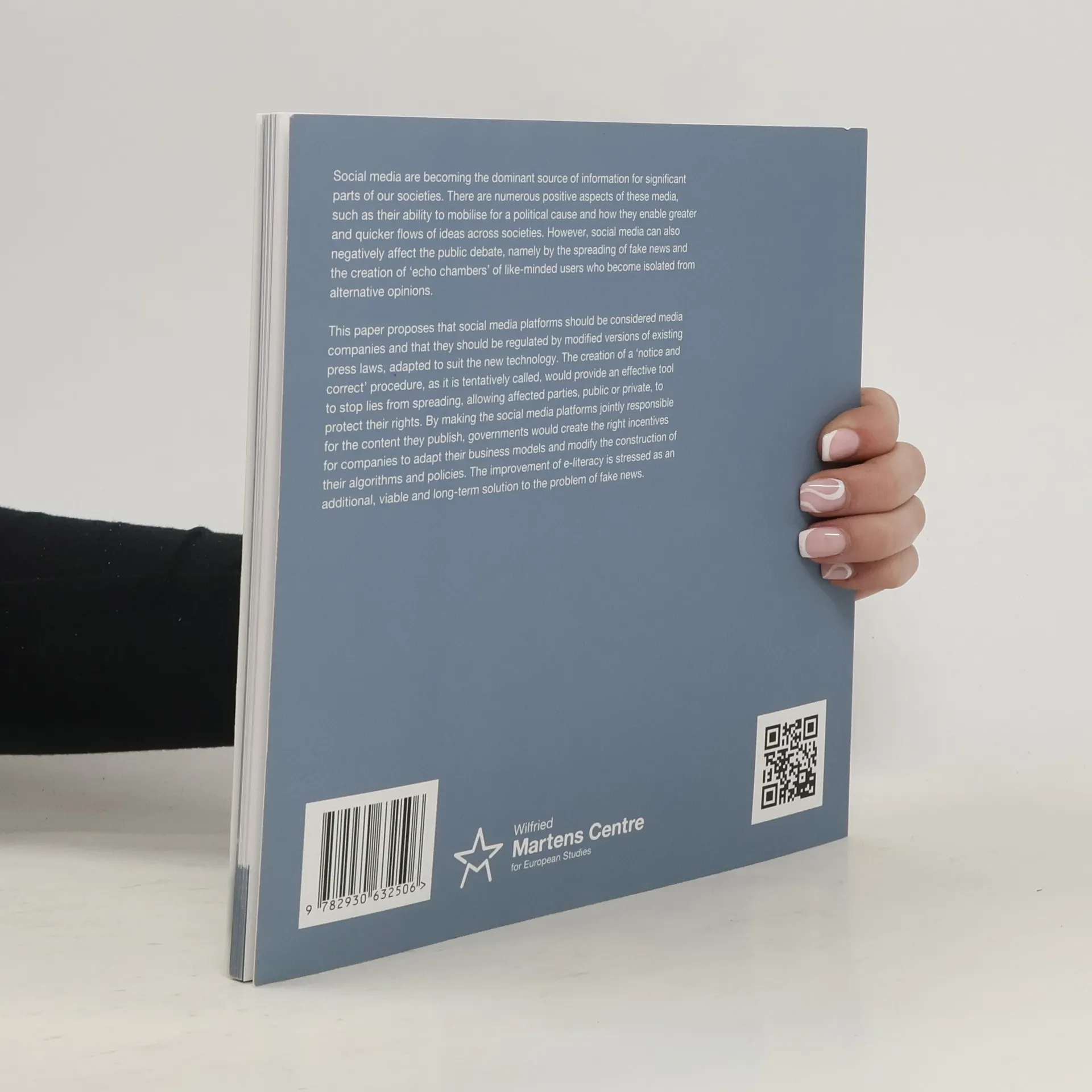
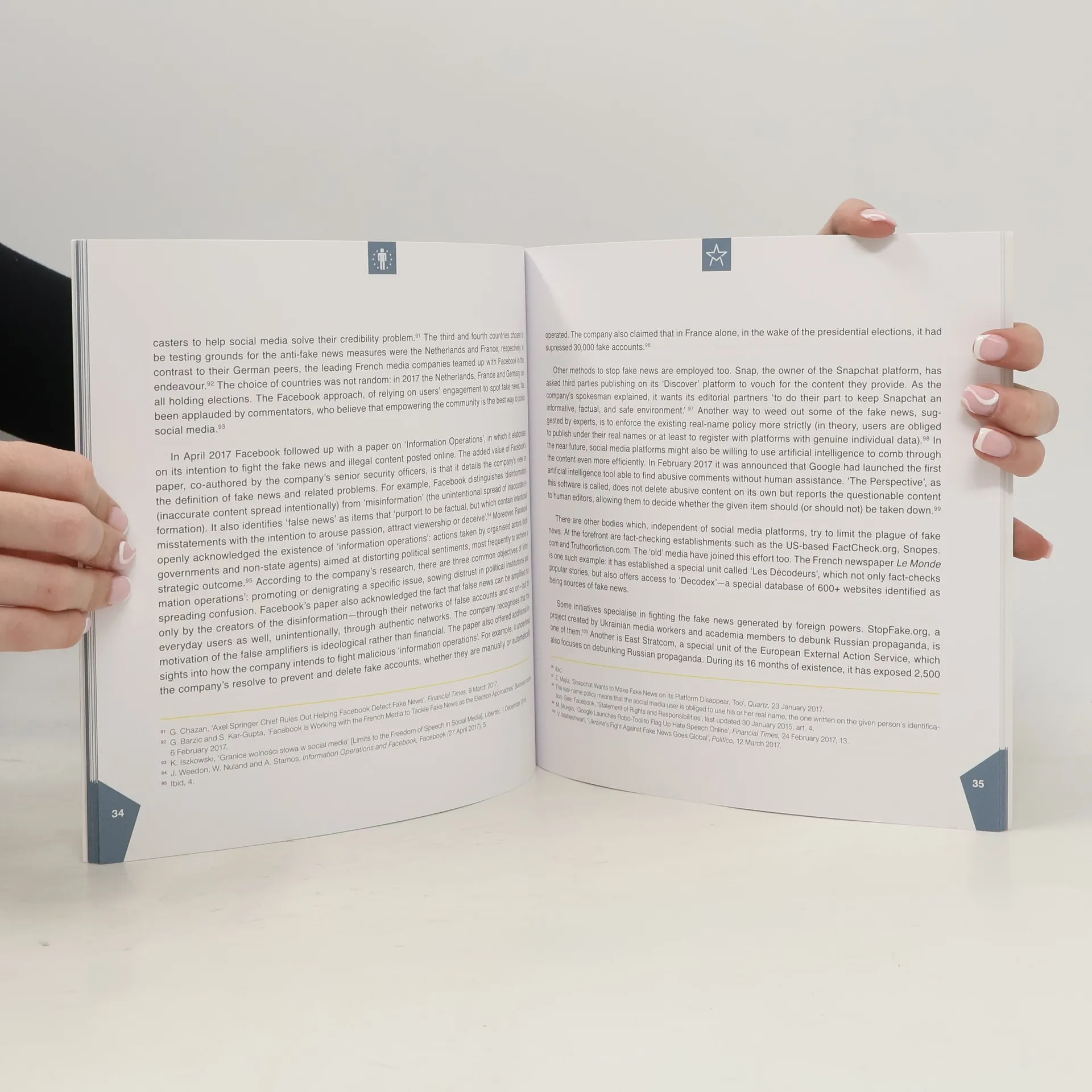
Social media have become a dominant information source, offering benefits like political mobilization and enhanced free speech. However, they also negatively affect public debate. This analysis explores how social media platforms influence democracy in Western countries and suggests ways to mitigate associated risks. It begins by examining issues such as fake news, echo chambers, and social bots, discussing their impact on public discourse through examples from recent elections and referendums in the US, France, Germany, and the UK. The paper outlines the current regulatory landscape for social media in the EU and the US, including the unique status of 'Internet intermediaries.' It evaluates voluntary measures taken by social media companies to combat fake news and assesses their effectiveness. A novel approach is proposed, suggesting that social media platforms be treated as media companies, regulated under modified press laws. The introduction of a 'notice and correct' procedure would empower affected parties to address misinformation and hold platforms accountable for the content they disseminate. This discussion includes considerations of freedom of speech and the risks of censorship. Finally, the paper highlights the importance of improving e-literacy as a long-term solution to the fake news problem and outlines the conditions necessary for implementing the proposed procedure.
Acquisto del libro
Weeding Out Fake News, Niklewicz Konrad
- Lingua

- Pubblicato
- 2017
- Rilegatura
- (In brossura)
Metodi di pagamento
Ancora nessuna valutazione.
- Titolo
- Weeding Out Fake News
- Sottotitolo
- An Approach to Social Media Regulation
- Lingua
- Inglese
- Autori
- Niklewicz Konrad
- Pubblicato
- 2017
- Formato
- In brossura
- Pagine
- 67
- ISBN10
- 293063250X
- ISBN13
- 9782930632506
- Serie
- Categoria
- Tag
- Descrizione
- Social media have become a dominant information source, offering benefits like political mobilization and enhanced free speech. However, they also negatively affect public debate. This analysis explores how social media platforms influence democracy in Western countries and suggests ways to mitigate associated risks. It begins by examining issues such as fake news, echo chambers, and social bots, discussing their impact on public discourse through examples from recent elections and referendums in the US, France, Germany, and the UK. The paper outlines the current regulatory landscape for social media in the EU and the US, including the unique status of 'Internet intermediaries.' It evaluates voluntary measures taken by social media companies to combat fake news and assesses their effectiveness. A novel approach is proposed, suggesting that social media platforms be treated as media companies, regulated under modified press laws. The introduction of a 'notice and correct' procedure would empower affected parties to address misinformation and hold platforms accountable for the content they disseminate. This discussion includes considerations of freedom of speech and the risks of censorship. Finally, the paper highlights the importance of improving e-literacy as a long-term solution to the fake news problem and outlines the conditions necessary for implementing the proposed procedure.