


Maggiori informazioni sul libro
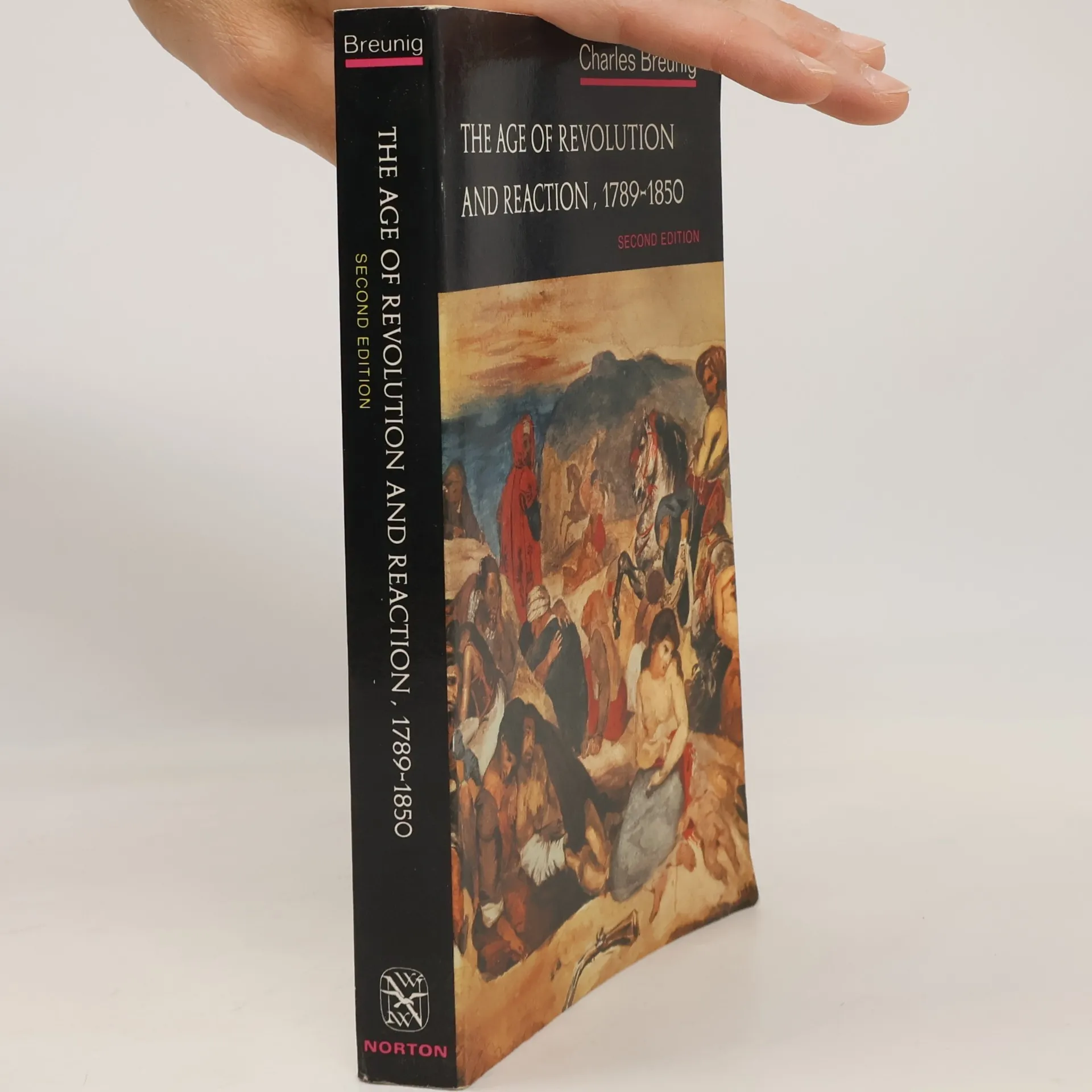
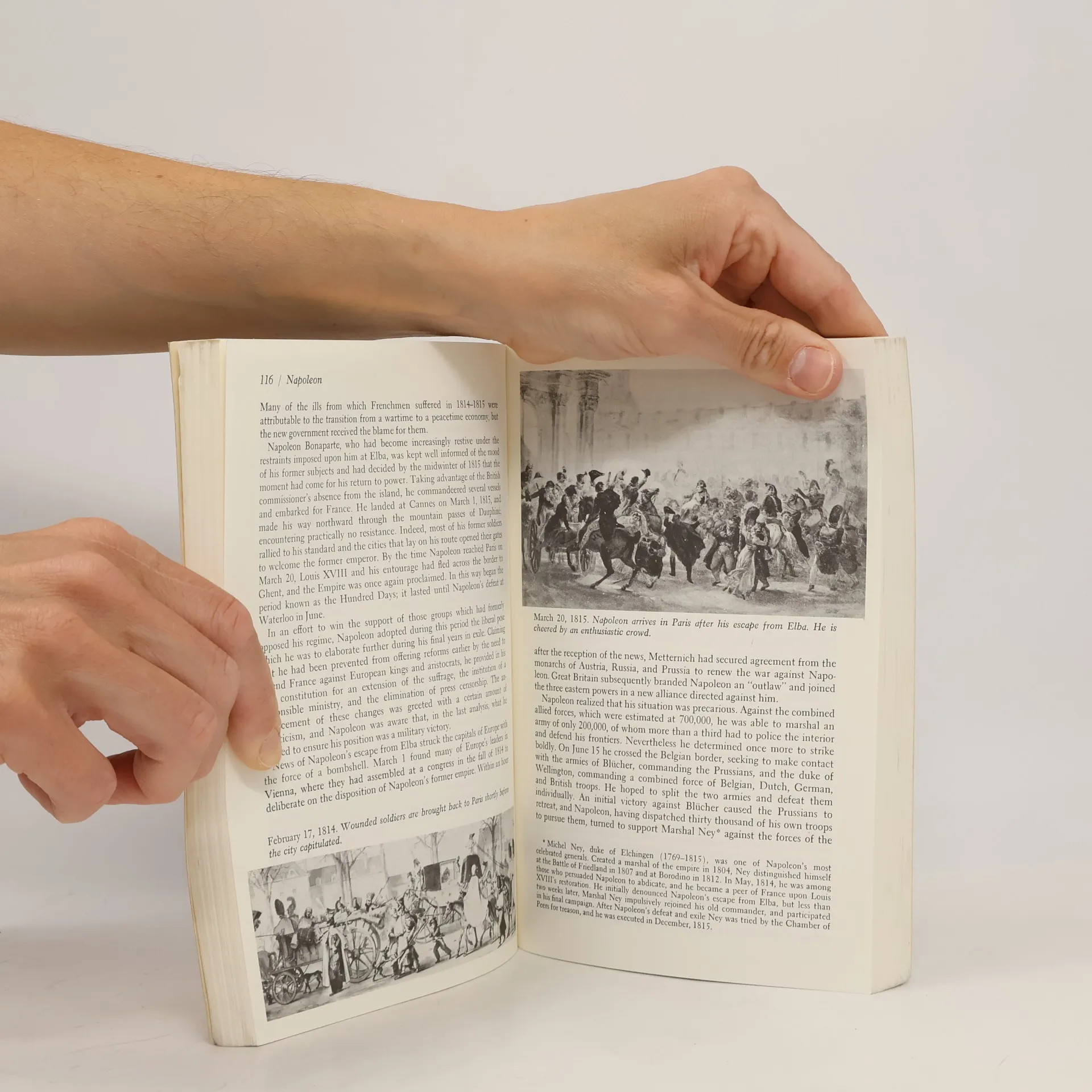
The French Revolution of 1789 is a watershed in European history; no country escaped its impact, which shattered long-standing traditions and set forth new ideals that powerfully affected succeeding generations. In this edition, Charles Breunig incorporates the most recent scholarship in his account of the Revolution and the events it unleashed: the near-conquest of Europe by Napoleon, the "Concert of Europe" established at the Congress of Vienna, the era of Restoration during which efforts were made to preserve the status quo against sporadic outbursts that culminated in the revolutions of 1848. He expands significantly his treatment of the emergence of new classes and the profound economic and cultural changes that were set in motion by the Industrial Revolution.
Acquisto del libro
The Age of Revolution and Reaction, 1789-1850, Charles Breunig
- Lingua

- Pubblicato
- 1977
- Rilegatura
- (In brossura)
Metodi di pagamento
Qui potrebbe esserci la tua recensione.
- Titolo
- The Age of Revolution and Reaction, 1789-1850
- Sottotitolo
- Second Edition
- Lingua
- Inglese
- Autori
- Charles Breunig
- Editore
- W. W. Norton & Company, Inc.
- Pubblicato
- 1977
- Formato
- In brossura
- Pagine
- 304
- ISBN10
- 0393091430
- ISBN13
- 9780393091434
- Serie
- Categoria
- Valutazione
- 3,8 su 5
- Descrizione
- The French Revolution of 1789 is a watershed in European history; no country escaped its impact, which shattered long-standing traditions and set forth new ideals that powerfully affected succeeding generations. In this edition, Charles Breunig incorporates the most recent scholarship in his account of the Revolution and the events it unleashed: the near-conquest of Europe by Napoleon, the "Concert of Europe" established at the Congress of Vienna, the era of Restoration during which efforts were made to preserve the status quo against sporadic outbursts that culminated in the revolutions of 1848. He expands significantly his treatment of the emergence of new classes and the profound economic and cultural changes that were set in motion by the Industrial Revolution.