



Valutazione del libro
Maggiori informazioni sul libro
Gibson's scholarly but highly readable study, written for those who already enjoy Lewis's fiction, will enhance understanding and appreciation both of the stories themselves and of their literary and theological aspects. He examines Lewis's masterful story-telling techniques and conversational style, anyalyzes plot structure and point of view, and traces the development of main characters through the action and narrative. He also defines and discusses the important themes in Lewis's work -- the nature of divinity, the nature of evil, and the virtuous life. Throughout his study, Gibson sees Lewis as both poet and logician -- a poet for his ability to portray the delightful landscapes of his stories, and a logician for his carefully structured story-telling technique. He is, as Gibson clearly shows, a first-rate craftsman -- indeed, a spinner of tales.
Acquisto del libro
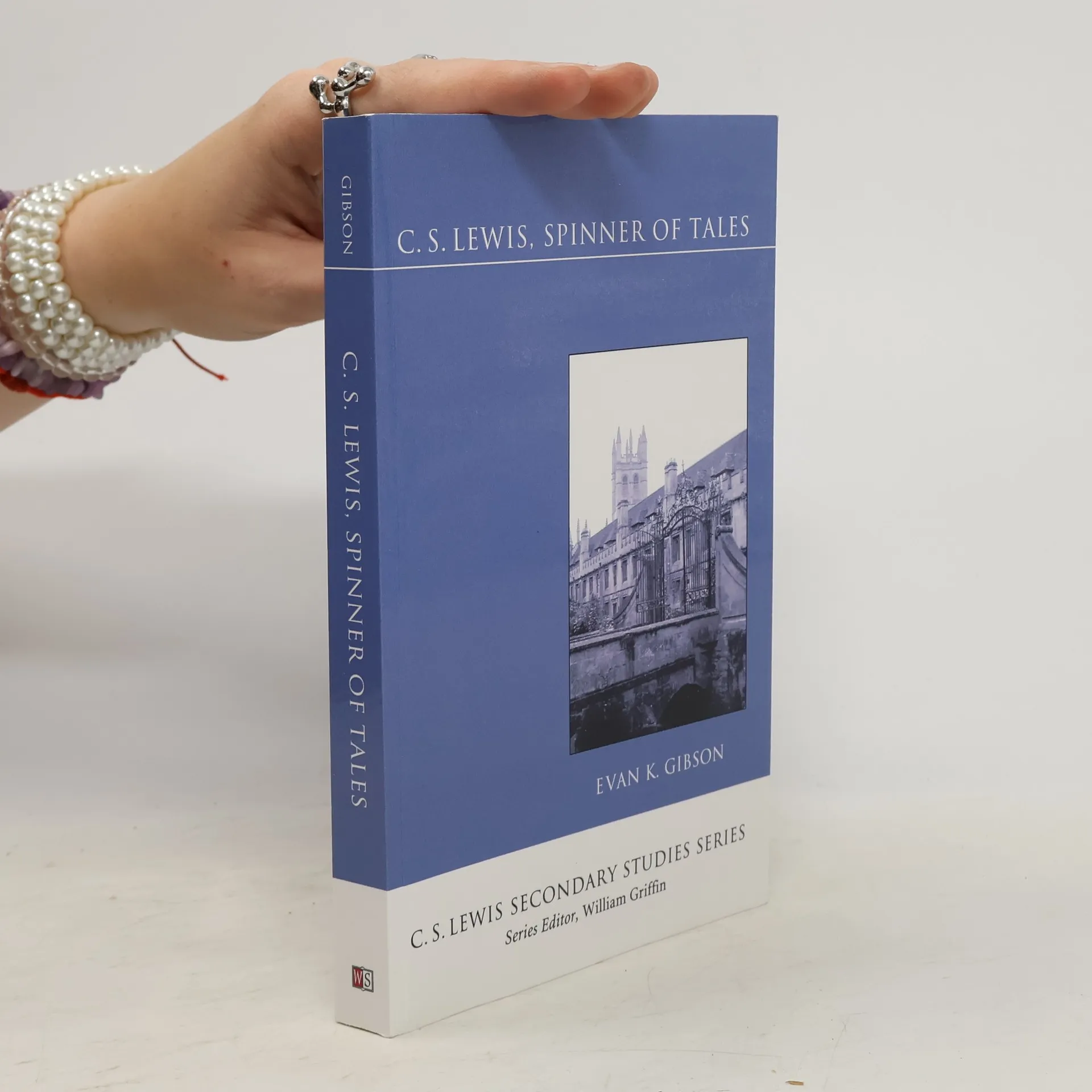
C. S. Lewis Secondary Studies Series: C.S. Lewis, Spinner of Tales, Evan K. Gibson, William Griffin
- Lingua

- Pubblicato
- 2009
- Rilegatura
- (In brossura)
Metodi di pagamento
Qui potrebbe esserci la tua recensione.
- Titolo
- C. S. Lewis Secondary Studies Series: C.S. Lewis, Spinner of Tales
- Sottotitolo
- A Guide to His Fiction
- Lingua
- Inglese
- Autori
- Evan K. Gibson, William Griffin
- Editore
- Wipf and Stock
- Pubblicato
- 2009
- Formato
- In brossura
- Pagine
- 296
- ISBN10
- 1606083856
- ISBN13
- 9781606083857
- Serie
- Categoria
- Tag
- Valutazione
- 4,5 su 5
- Descrizione
- Gibson's scholarly but highly readable study, written for those who already enjoy Lewis's fiction, will enhance understanding and appreciation both of the stories themselves and of their literary and theological aspects. He examines Lewis's masterful story-telling techniques and conversational style, anyalyzes plot structure and point of view, and traces the development of main characters through the action and narrative. He also defines and discusses the important themes in Lewis's work -- the nature of divinity, the nature of evil, and the virtuous life. Throughout his study, Gibson sees Lewis as both poet and logician -- a poet for his ability to portray the delightful landscapes of his stories, and a logician for his carefully structured story-telling technique. He is, as Gibson clearly shows, a first-rate craftsman -- indeed, a spinner of tales.