



Maggiori informazioni sul libro
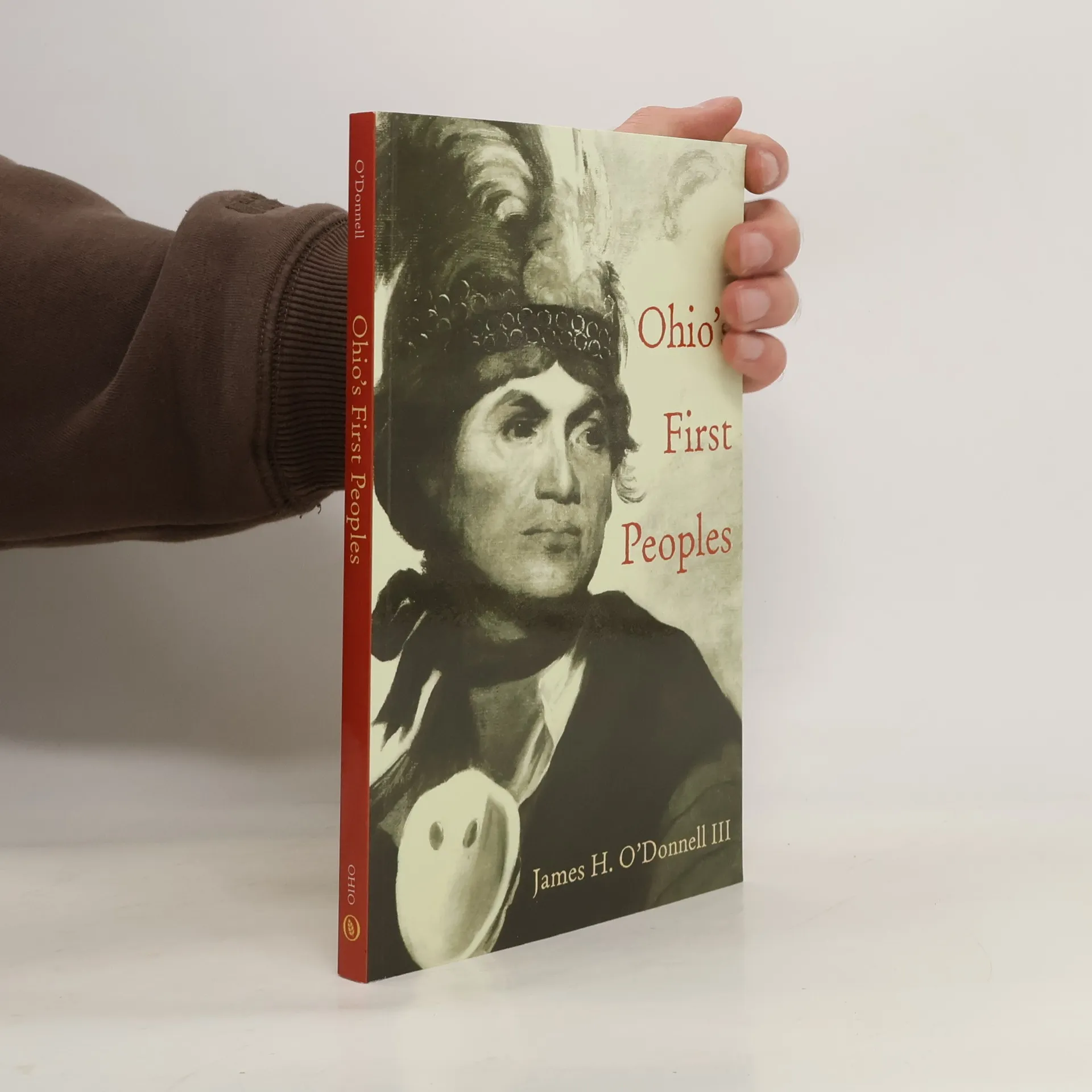
Ohio’s First Peoples depicts the Native Americans of the Buckeye State from the time of the well-known Hopewell peoples to the forced removal of the Wyandots in the 1840s. This book presents the stories of the early Ohioans based on the archaeological record. In an accessible narrative style, it provides a detailed overview of the movements of Fort Ancient peoples driven out by economic and political forces in the seventeenth century. Ohio’s plentiful game and fertile farmlands lured tribes such as the Wyandots, Shawnees, and Delawares, which are familiar to observers of the historic period. Although founders of the state pointed to the natives' prehistoric earthworks as evidence that the architects were a people of “ingenuity, industry, and elegance,” their rivalry with the Indian inhabitants led to decades of warfare and treaty-making. Native American armies managed to win battles with Josiah Harmar and Arthur St. Clair, but not the war with Anthony Wayne. By the early nineteenth century only a few native peoples remained, still hoping to retain their homes. Pressures from federal and state governments as well as the settlers’ desire for land, however, left the earlier inhabitants no refuge. By the mid-1840s they were gone, leaving behind relatively few markers on the land.
Acquisto del libro
Ohio's First Peoples, James H. O'Donnell III
- Lingua

- Pubblicato
- 2004
- Rilegatura
- (In brossura)
Metodi di pagamento
Qui potrebbe esserci la tua recensione.
- Titolo
- Ohio's First Peoples
- Lingua
- Inglese
- Autori
- James H. O'Donnell III
- Editore
- Ohio University Press
- Pubblicato
- 2004
- Formato
- In brossura
- Pagine
- 216
- ISBN10
- 0821415255
- ISBN13
- 9780821415252
- Serie
- Categoria
- Valutazione
- 3,95 su 5
- Descrizione
- Ohio’s First Peoples depicts the Native Americans of the Buckeye State from the time of the well-known Hopewell peoples to the forced removal of the Wyandots in the 1840s. This book presents the stories of the early Ohioans based on the archaeological record. In an accessible narrative style, it provides a detailed overview of the movements of Fort Ancient peoples driven out by economic and political forces in the seventeenth century. Ohio’s plentiful game and fertile farmlands lured tribes such as the Wyandots, Shawnees, and Delawares, which are familiar to observers of the historic period. Although founders of the state pointed to the natives' prehistoric earthworks as evidence that the architects were a people of “ingenuity, industry, and elegance,” their rivalry with the Indian inhabitants led to decades of warfare and treaty-making. Native American armies managed to win battles with Josiah Harmar and Arthur St. Clair, but not the war with Anthony Wayne. By the early nineteenth century only a few native peoples remained, still hoping to retain their homes. Pressures from federal and state governments as well as the settlers’ desire for land, however, left the earlier inhabitants no refuge. By the mid-1840s they were gone, leaving behind relatively few markers on the land.