

Maggiori informazioni sul libro
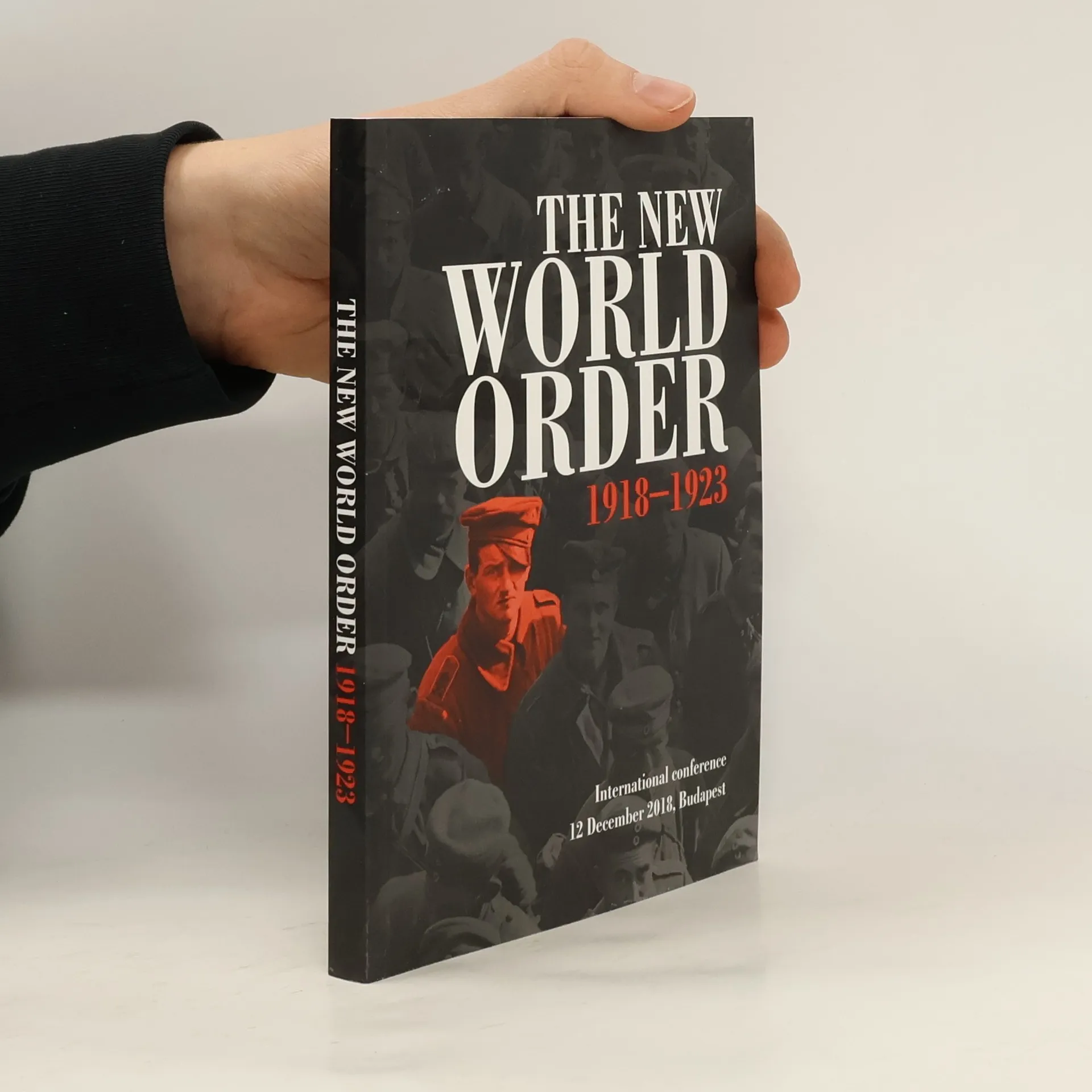
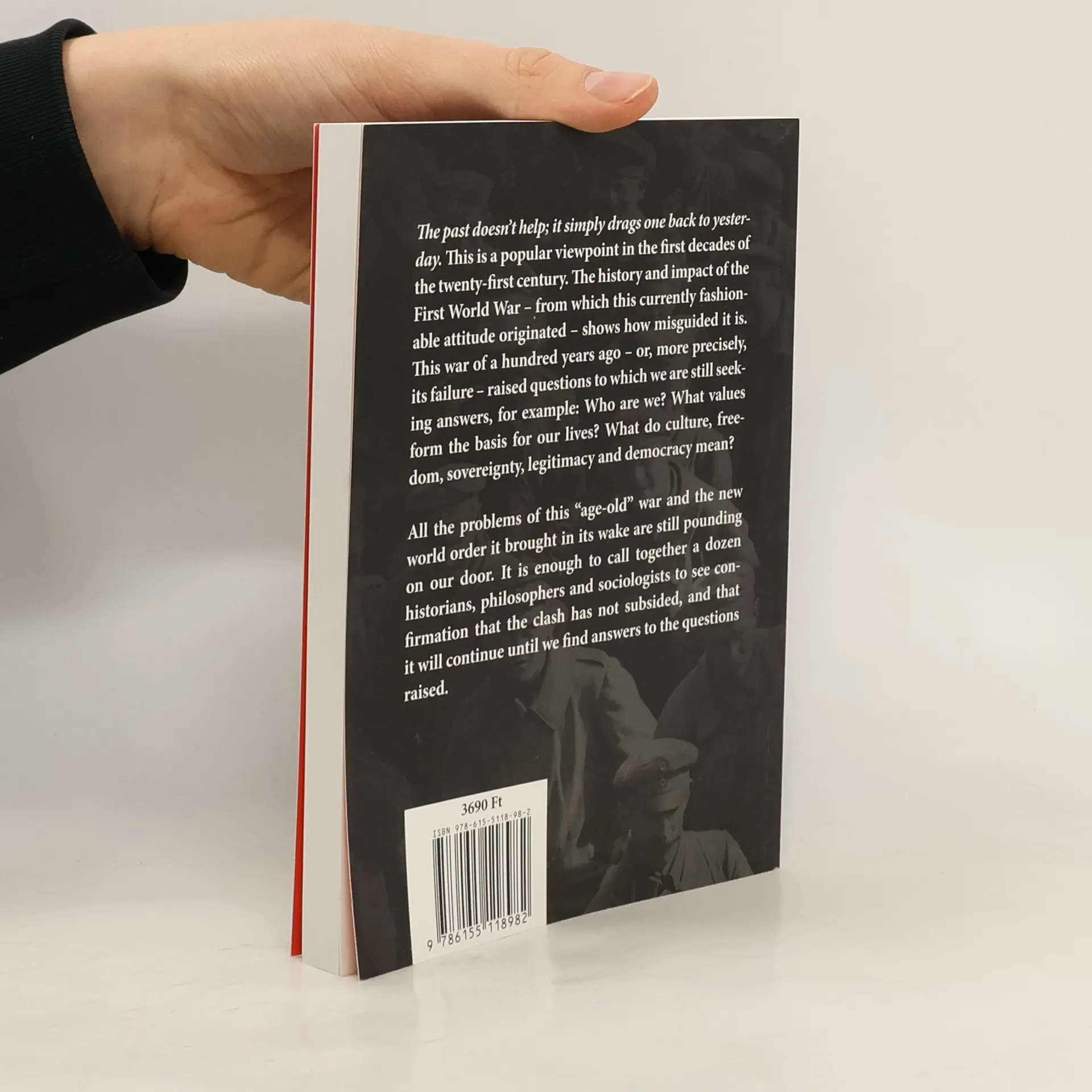
International conference, 12 December 2018, Budapest.The past doesn't help; it simply drags one back to yesterday. This is a popular viewpoint in the first decades of the twenty-first century. The history and impact of the First World War - from which this currently fashionable attitude originated - shows how misguided it is. This war of a hundred years ago - or, more precisely, its failure - raised questions to which we are still seeking answers, for example: Who are we? What values form the basis for our lives? What do culture, freedom, sovereignty, legitimacy and democracy mean?All the problems of this "age-old" war and the new world order it brought in its wake are still pounding on our door. It is enough to call together a dozen historians, philosophers and sociologists to see confirmation that the clash has not subsided, and that it will continue until we find answers to the questions raised.
Acquisto del libro
The New World Order 1918-1923, Katerina Nagy
- Lingua

- Pubblicato
- 2020
- Rilegatura
- (In brossura)
Metodi di pagamento
Ancora nessuna valutazione.
- Titolo
- The New World Order 1918-1923
- Lingua
- Inglese
- Autori
- Katerina Nagy
- Pubblicato
- 2020
- Formato
- In brossura
- Pagine
- 248
- ISBN10
- 6155118981
- ISBN13
- 9786155118982
- Serie
- Descrizione
- International conference, 12 December 2018, Budapest.The past doesn't help; it simply drags one back to yesterday. This is a popular viewpoint in the first decades of the twenty-first century. The history and impact of the First World War - from which this currently fashionable attitude originated - shows how misguided it is. This war of a hundred years ago - or, more precisely, its failure - raised questions to which we are still seeking answers, for example: Who are we? What values form the basis for our lives? What do culture, freedom, sovereignty, legitimacy and democracy mean?All the problems of this "age-old" war and the new world order it brought in its wake are still pounding on our door. It is enough to call together a dozen historians, philosophers and sociologists to see confirmation that the clash has not subsided, and that it will continue until we find answers to the questions raised.