

Valutazione del libro
Parametri
- 228pagine
- 8 ore di lettura
Maggiori informazioni sul libro
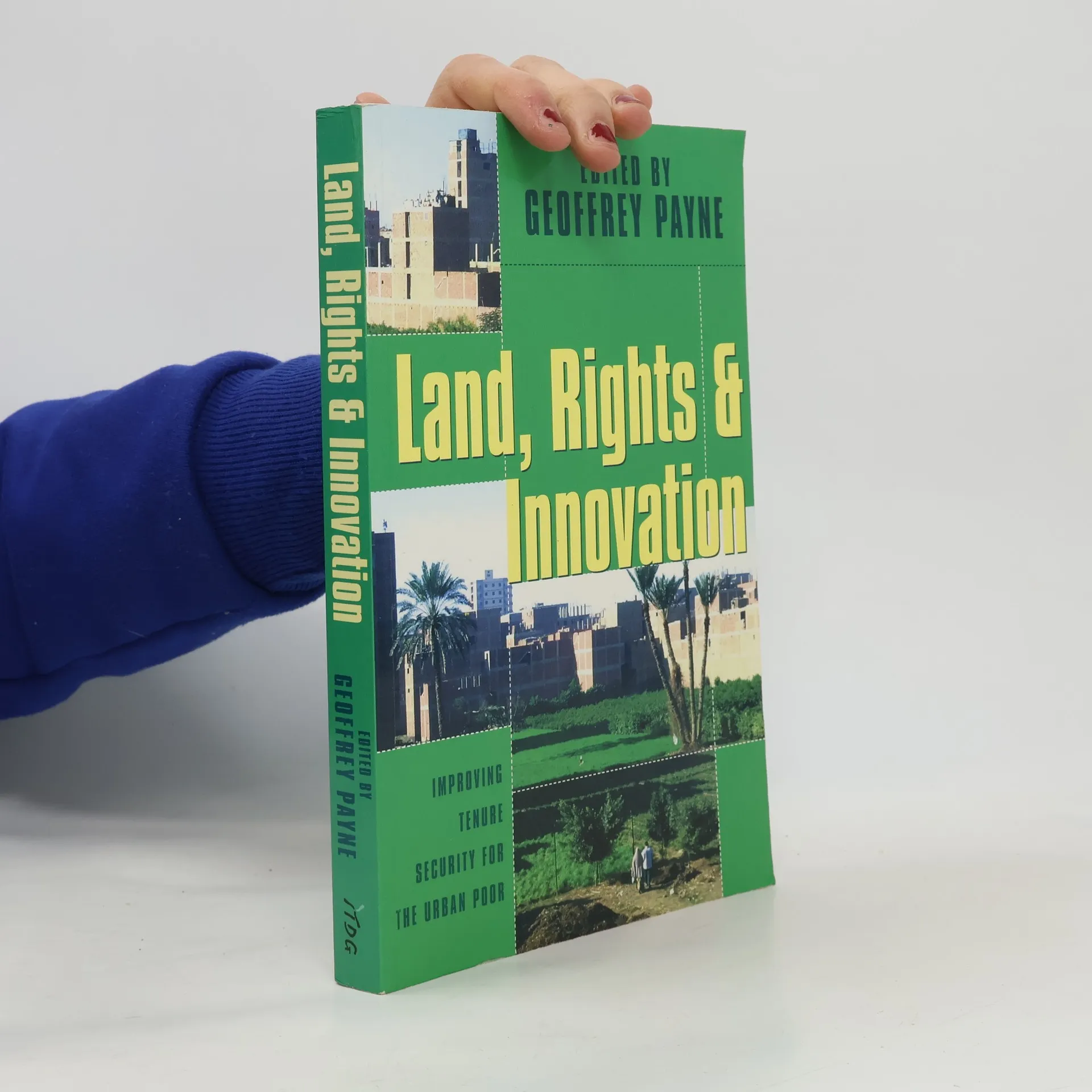
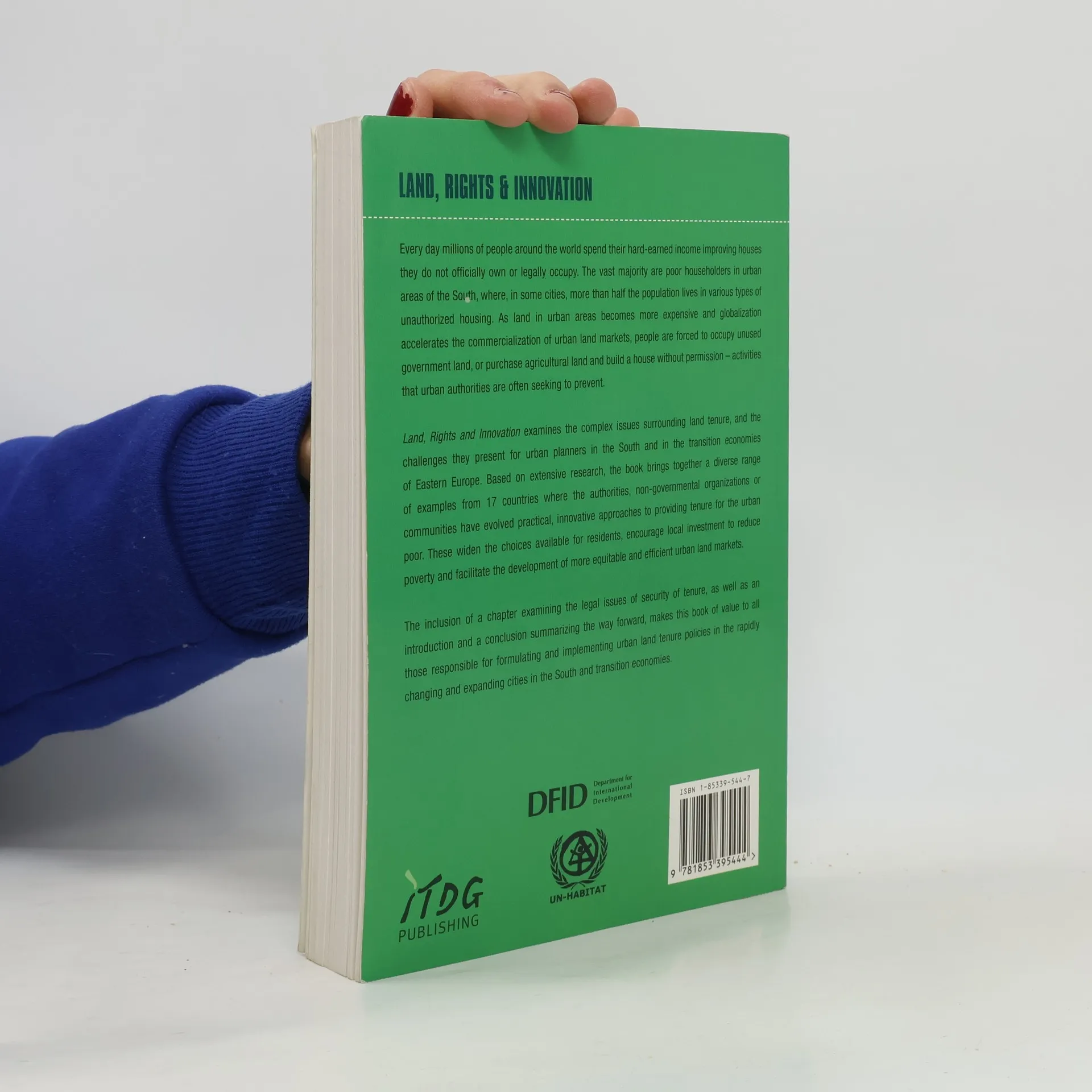
Every day, millions globally invest in improving houses they do not officially own, particularly in urban areas of the South, where unauthorized housing is prevalent. In some cities, over half the population lives in such conditions. As urban land becomes more expensive and globalization drives the commercialization of land markets, individuals often occupy unused government land or build homes on agricultural land without permission, despite urban authorities' efforts to prevent these actions. This book explores the complexities of land tenure issues and the challenges they pose for urban planners in the South and Eastern Europe's transition economies. Drawing on extensive research, it presents diverse examples from 17 countries where authorities, NGOs, and communities have developed innovative approaches to secure tenure for the urban poor. These strategies expand residents' choices, promote local investment to alleviate poverty, and foster more equitable urban land markets. Additionally, a chapter on legal issues regarding security of tenure, along with an introduction and conclusion outlining future directions, enhances its value for those involved in shaping urban land tenure policies in rapidly evolving cities in the South and transition economies.
Acquisto del libro
Urban Management Series: Land, Rights and Innovation, Geoffrey K. Payne
- Lingua

- Pubblicato
- 2002
- Rilegatura
- (In brossura)
Metodi di pagamento
Qui potrebbe esserci la tua recensione.
- Titolo
- Urban Management Series: Land, Rights and Innovation
- Sottotitolo
- Improving Tenure for the Urban Poor
- Lingua
- Inglese
- Autori
- Geoffrey K. Payne
- Editore
- ITDG Publishing
- Pubblicato
- 2002
- Formato
- In brossura
- Pagine
- 228
- ISBN10
- 1853395447
- ISBN13
- 9781853395444
- Serie
- Tag
- Commercio, Tematica giuridica, Opere Complete, Sviluppo, Urbanistica, urbanizzazione, Abitazione, Immobili, Paesi in via di sviluppo
- Valutazione
- 3 su 5
- Descrizione
- Every day, millions globally invest in improving houses they do not officially own, particularly in urban areas of the South, where unauthorized housing is prevalent. In some cities, over half the population lives in such conditions. As urban land becomes more expensive and globalization drives the commercialization of land markets, individuals often occupy unused government land or build homes on agricultural land without permission, despite urban authorities' efforts to prevent these actions. This book explores the complexities of land tenure issues and the challenges they pose for urban planners in the South and Eastern Europe's transition economies. Drawing on extensive research, it presents diverse examples from 17 countries where authorities, NGOs, and communities have developed innovative approaches to secure tenure for the urban poor. These strategies expand residents' choices, promote local investment to alleviate poverty, and foster more equitable urban land markets. Additionally, a chapter on legal issues regarding security of tenure, along with an introduction and conclusion outlining future directions, enhances its value for those involved in shaping urban land tenure policies in rapidly evolving cities in the South and transition economies.