

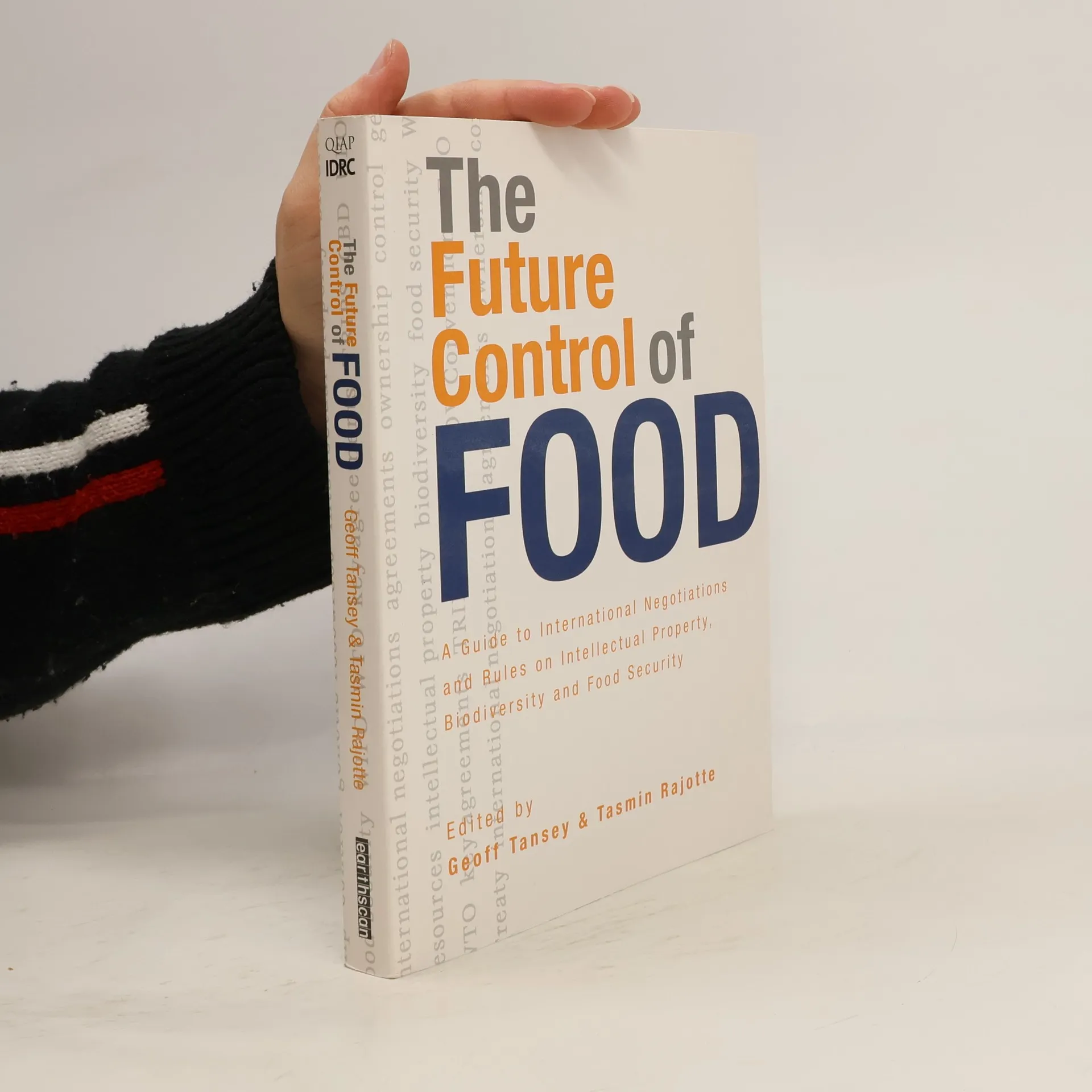

The Future Control of Food
An Essential Guide to International Negotiations and Rules on Intellectual Property, Biodiversity and Food Security
Valutazione del libro
Parametri
- 288pagine
- 11 ore di lettura
Maggiori informazioni sul libro
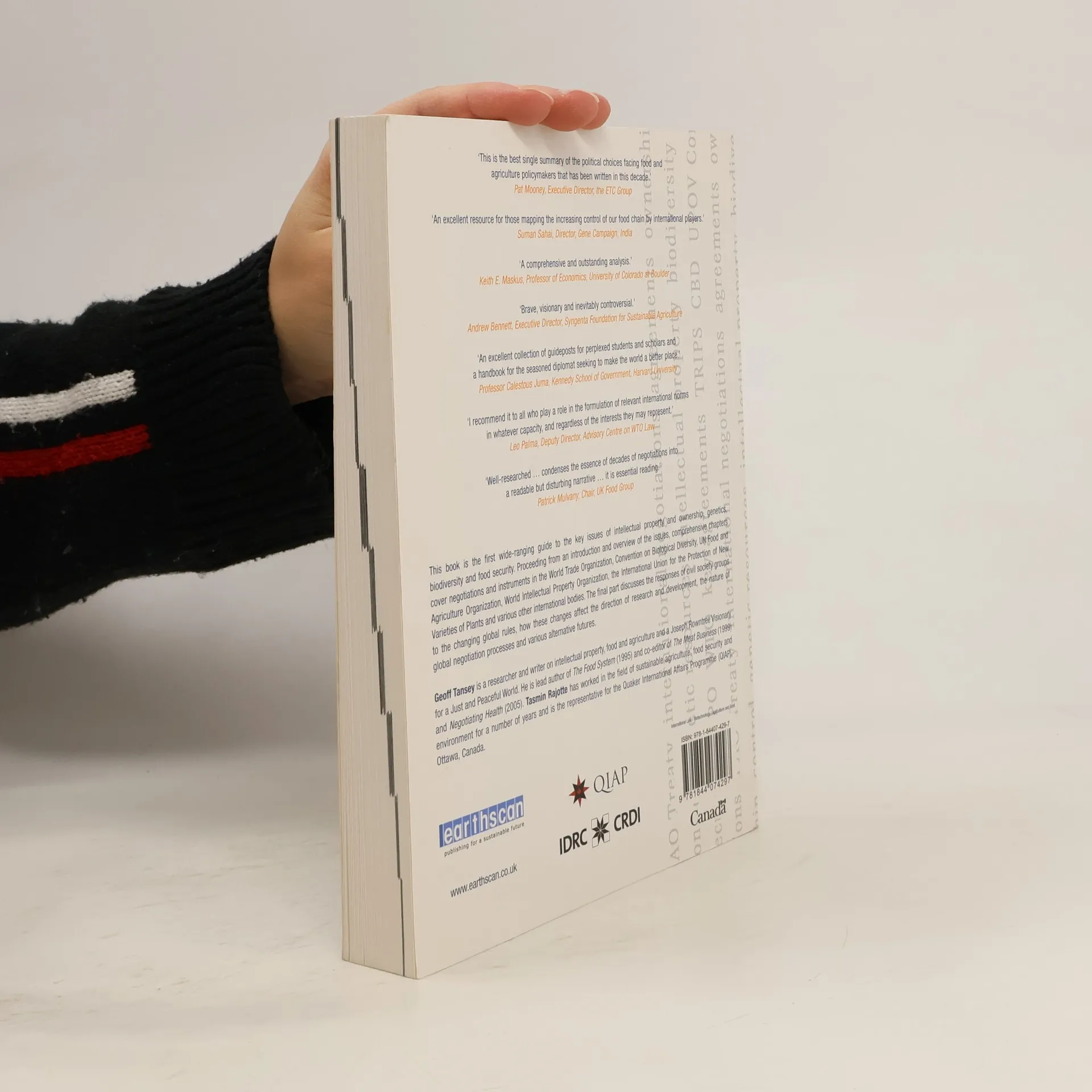
This book is the first wide-ranging guide to the key issues of intellectual property and ownership, genetics, biodiversity and food security. Proceeding from an introduction and overview of the issues, comprehensive chapters cover negotiations and instruments in the World Trade Organization, Convention on Biological Diversity, UN Food and Agriculture Organization, World Intellectual Property Organization, the International Union for the Protection of New Varieties of Plants and various other international bodies. The final part discusses the responses of civil society groups to the changing global rules, how these changes affect the direction of research and development, the nature of global negotiation processes and various alternative futures. Published with IDRC and QIAP.
Acquisto del libro
The Future Control of Food, Geoff Tansey, Tasmin Rajotte
- Lingua

- Pubblicato
- 2008
- Rilegatura
- (In brossura)
Metodi di pagamento
Qui potrebbe esserci la tua recensione.
- Titolo
- The Future Control of Food
- Sottotitolo
- An Essential Guide to International Negotiations and Rules on Intellectual Property, Biodiversity and Food Security
- Lingua
- Inglese
- Autori
- Geoff Tansey, Tasmin Rajotte
- Editore
- Routledge
- Pubblicato
- 2008
- Formato
- In brossura
- Pagine
- 288
- ISBN10
- 1844074293
- ISBN13
- 9781844074297
- Serie
- Categoria
- Tag
- Commercio, Tematica giuridica, Politica, Tecnologia, Letteratura specialistica, Teorie Politiche, Opere Complete, Industria, Diritto Civile, Politica economica, Diritto internazionale, Teoria del diritto, Società civile, Proprietà Intellettuale
- Valutazione
- 4,15 su 5
- Descrizione
- This book is the first wide-ranging guide to the key issues of intellectual property and ownership, genetics, biodiversity and food security. Proceeding from an introduction and overview of the issues, comprehensive chapters cover negotiations and instruments in the World Trade Organization, Convention on Biological Diversity, UN Food and Agriculture Organization, World Intellectual Property Organization, the International Union for the Protection of New Varieties of Plants and various other international bodies. The final part discusses the responses of civil society groups to the changing global rules, how these changes affect the direction of research and development, the nature of global negotiation processes and various alternative futures. Published with IDRC and QIAP.