

Parametri
- 280pagine
- 10 ore di lettura
Maggiori informazioni sul libro
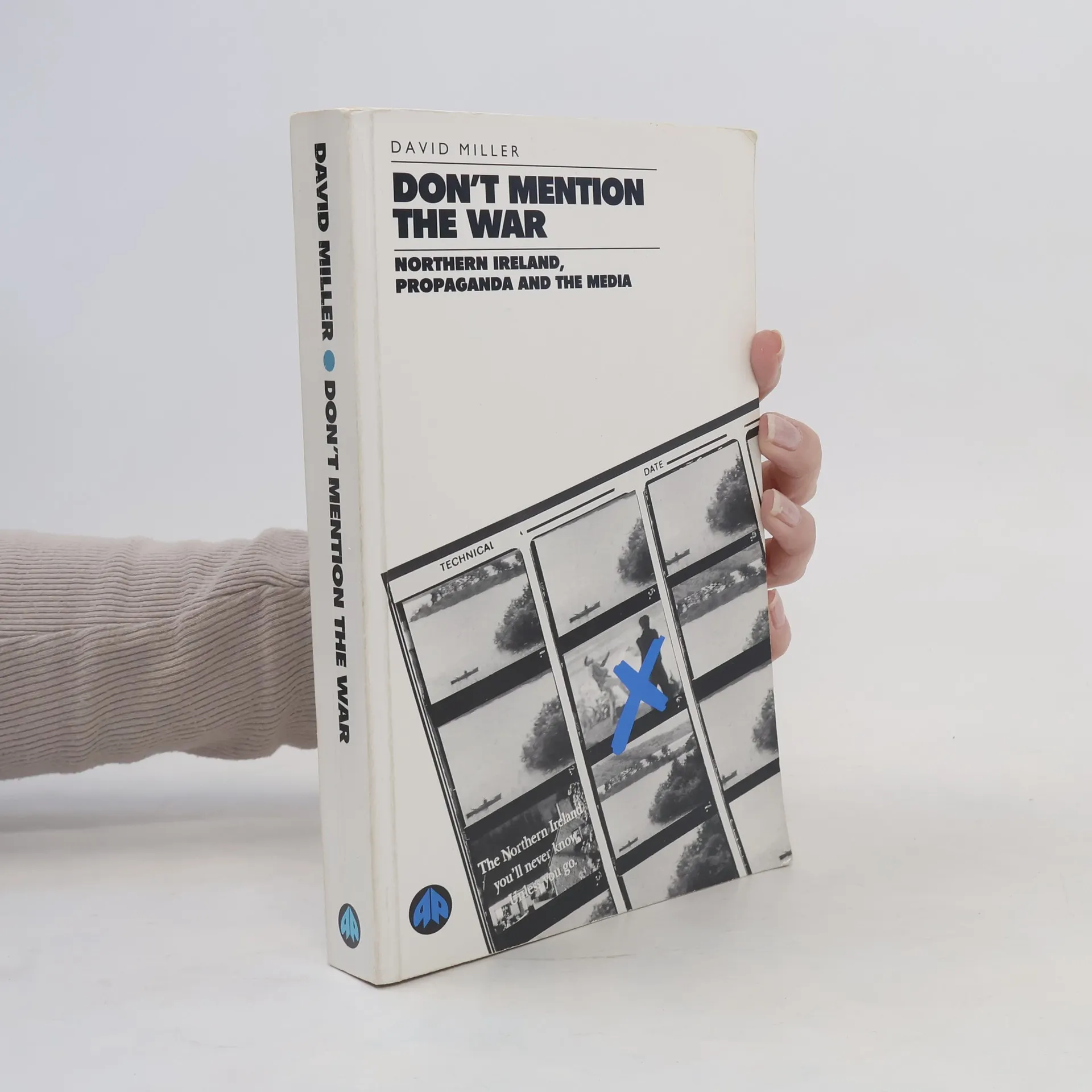
For over twenty-five years, the media have portrayed the conflict in Northern Ireland as an irrational confrontation -- a war that was not called a war and had no objective social basis. 'Terrorism' caused 'the Troubles'; the British Army kept the peace. The conflict was effectively marginalised in the minds of the public at large. In Don't Mention the War , David Miller chronicles the propaganda and (mis)information management which did so much to distort and impoverish media reporting of the conflict. Given unprecedented access to senior officials, as well as the key spokespersons for all the major political groupings in Northern Ireland, Miller paints a disturbing picture of the success of the media managers in manipulating public perceptions of the issues, and breaks new ground in exploring the complex relationships between propaganda, public opinion and power.
Acquisto del libro
Don't Mention the War, David Miller
- Lingua

- Pubblicato
- 1994
- Rilegatura
- (In brossura)
Metodi di pagamento
Qui potrebbe esserci la tua recensione.
- Titolo
- Don't Mention the War
- Sottotitolo
- Northern Ireland, Propaganda and the Media
- Lingua
- Inglese
- Autori
- David Miller
- Editore
- Pluto Press
- Pubblicato
- 1994
- Formato
- In brossura
- Pagine
- 280
- ISBN10
- 0745308368
- ISBN13
- 9780745308364
- Serie
- Tag
- Tema stórico, Europa, Letteratura specialistica, Teorie Politiche, Irlanda, Media e comunicazione mediatica, Terrorismo, Propaganda, Diritto Civile, Irlanda del Nord
- Valutazione
- 3,8 su 5
- Descrizione
- For over twenty-five years, the media have portrayed the conflict in Northern Ireland as an irrational confrontation -- a war that was not called a war and had no objective social basis. 'Terrorism' caused 'the Troubles'; the British Army kept the peace. The conflict was effectively marginalised in the minds of the public at large. In Don't Mention the War , David Miller chronicles the propaganda and (mis)information management which did so much to distort and impoverish media reporting of the conflict. Given unprecedented access to senior officials, as well as the key spokespersons for all the major political groupings in Northern Ireland, Miller paints a disturbing picture of the success of the media managers in manipulating public perceptions of the issues, and breaks new ground in exploring the complex relationships between propaganda, public opinion and power.