


Parametri
- 224pagine
- 8 ore di lettura
Maggiori informazioni sul libro
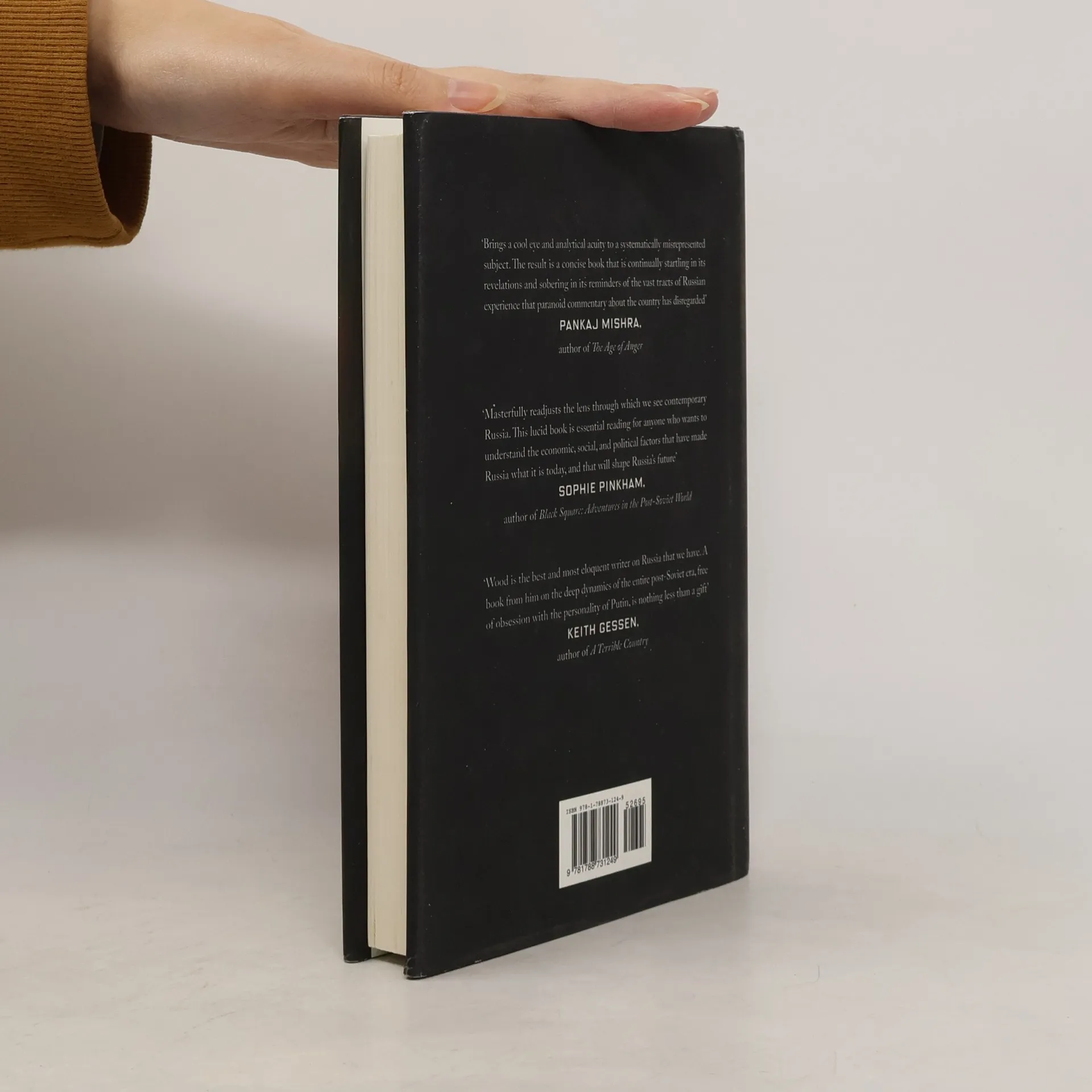
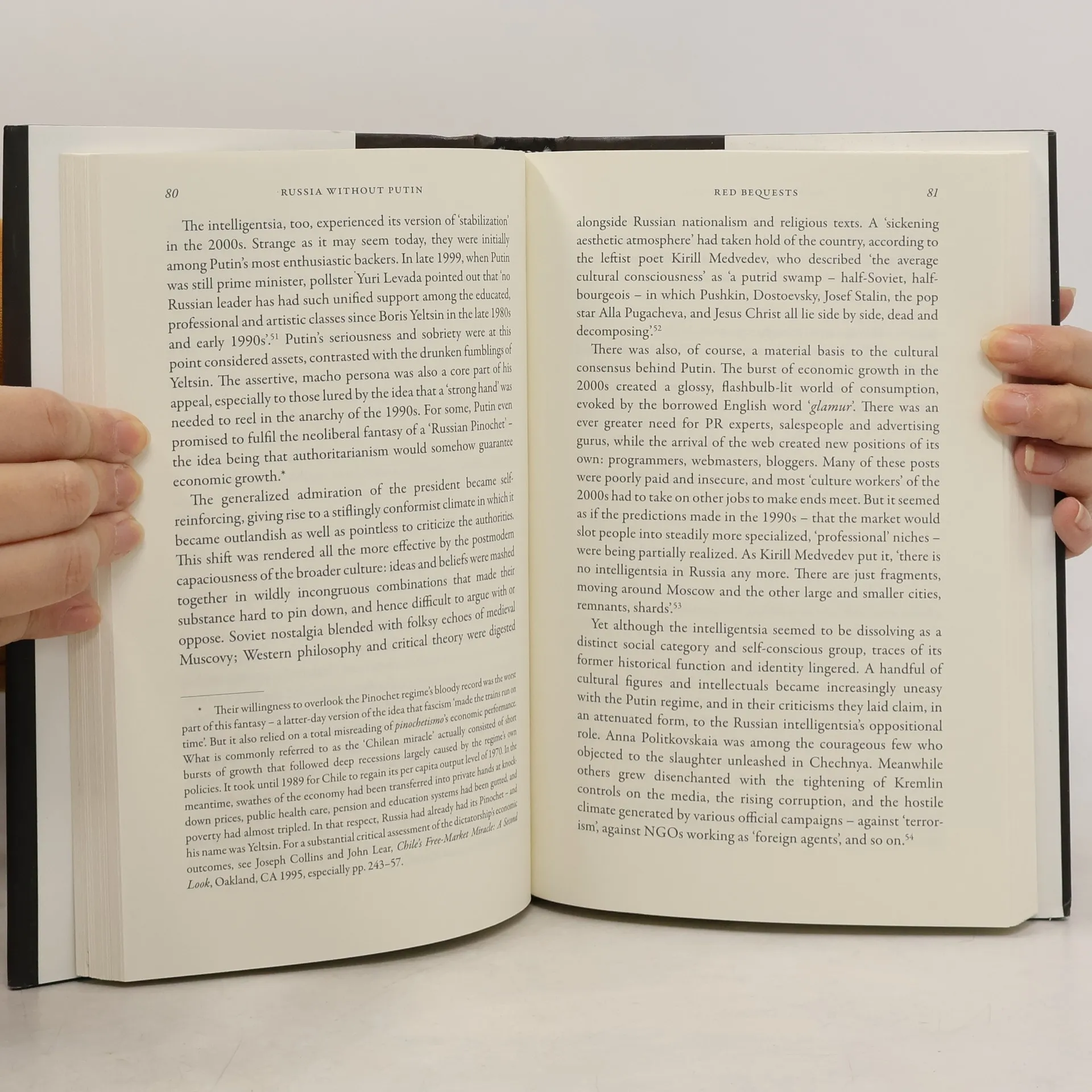
The West's fixation on Vladimir Putin obscures a deeper understanding of Russia today. He embodies the nation for many outside observers and dominates media narratives, leading to a skewed perception of the country. Tony Wood argues that this intense focus on Putin detracts from comprehending the broader societal changes in Russia since 1991. By examining the transformations that have occurred, Wood challenges prevalent assumptions about contemporary Russia. Rather than viewing Putin's governance as a return to Soviet-style authoritarianism, he posits it as a continuation of the Yeltsin era. Additionally, while many attribute current issues to Soviet legacies, Wood contends that the essence of Putinism—a predatory elite ruling over a deeply unequal society—stems from the post-Communist system established in the 1990s. The analysis leads to crucial questions about Russia's trajectory following its post-Soviet evolution. The book concludes with a compelling exploration of Russia's foreign policy, revealing the underlying power dynamics in its escalating tensions with the West and contemplating the potential paths the country may take in the 21st century.
Acquisto del libro
Russia Without Putin, Tony Wood
- Lingua

- Pubblicato
- 2018
- Rilegatura
- (Copertina rigida)
Metodi di pagamento
Qui potrebbe esserci la tua recensione.
- Titolo
- Russia Without Putin
- Sottotitolo
- Money, Power and the Myths of the New Cold War
- Lingua
- Inglese
- Autori
- Tony Wood
- Editore
- Verso Books
- Pubblicato
- 2018
- Formato
- Copertina rigida
- Pagine
- 224
- ISBN10
- 1788731247
- ISBN13
- 9781788731249
- Serie
- Categoria
- Tag
- Tema stórico, Commercio, Tematica filosofica, Politica, Guerre, Russia, Storia d'Europa, Giornalismo e Pubblicistica, Teorie Politiche, Relazioni internazionali, Storia del XX secolo, Socialismo, Guerra Fredda, Capitalismo, Europa Orientale, Geopolitica, Governo, Storia russa, Filosofia politica, Politica mondiale, Stalingrado, Oligarchia
- Valutazione
- 3,85 su 5
- Descrizione
- The West's fixation on Vladimir Putin obscures a deeper understanding of Russia today. He embodies the nation for many outside observers and dominates media narratives, leading to a skewed perception of the country. Tony Wood argues that this intense focus on Putin detracts from comprehending the broader societal changes in Russia since 1991. By examining the transformations that have occurred, Wood challenges prevalent assumptions about contemporary Russia. Rather than viewing Putin's governance as a return to Soviet-style authoritarianism, he posits it as a continuation of the Yeltsin era. Additionally, while many attribute current issues to Soviet legacies, Wood contends that the essence of Putinism—a predatory elite ruling over a deeply unequal society—stems from the post-Communist system established in the 1990s. The analysis leads to crucial questions about Russia's trajectory following its post-Soviet evolution. The book concludes with a compelling exploration of Russia's foreign policy, revealing the underlying power dynamics in its escalating tensions with the West and contemplating the potential paths the country may take in the 21st century.