



Parametri
- 250pagine
- 9 ore di lettura
Maggiori informazioni sul libro
The question of who rules in Eastern Europe became crucial for western researchers after the establishment of communist regimes, particularly as state socialism spread into Central Europe post-World War II. This political order, characterized by a highly centralized and repressive power structure according to Leninist and Stalinist theories, directed attention toward the top echelons of party and state officials. The extreme centralization of power led to an elitist analysis, often viewed from a distance. Paradoxically, a system that claimed to represent the pinnacle of historical development and espoused egalitarianism while denying individual significance was largely interpreted through the personal traits, rivalries, and idiosyncrasies of its leaders. Much of society remained shrouded in obscurity, revealing only fragments of social life far removed from the centers of power. While it is debatable whether this focus on elite figures distorted the overall understanding of these regimes, it certainly contributed to an overestimation of their stability, an underappreciation of their diversity, and a misjudgment of the conflicts and divisions that existed within them.
Acquisto del libro
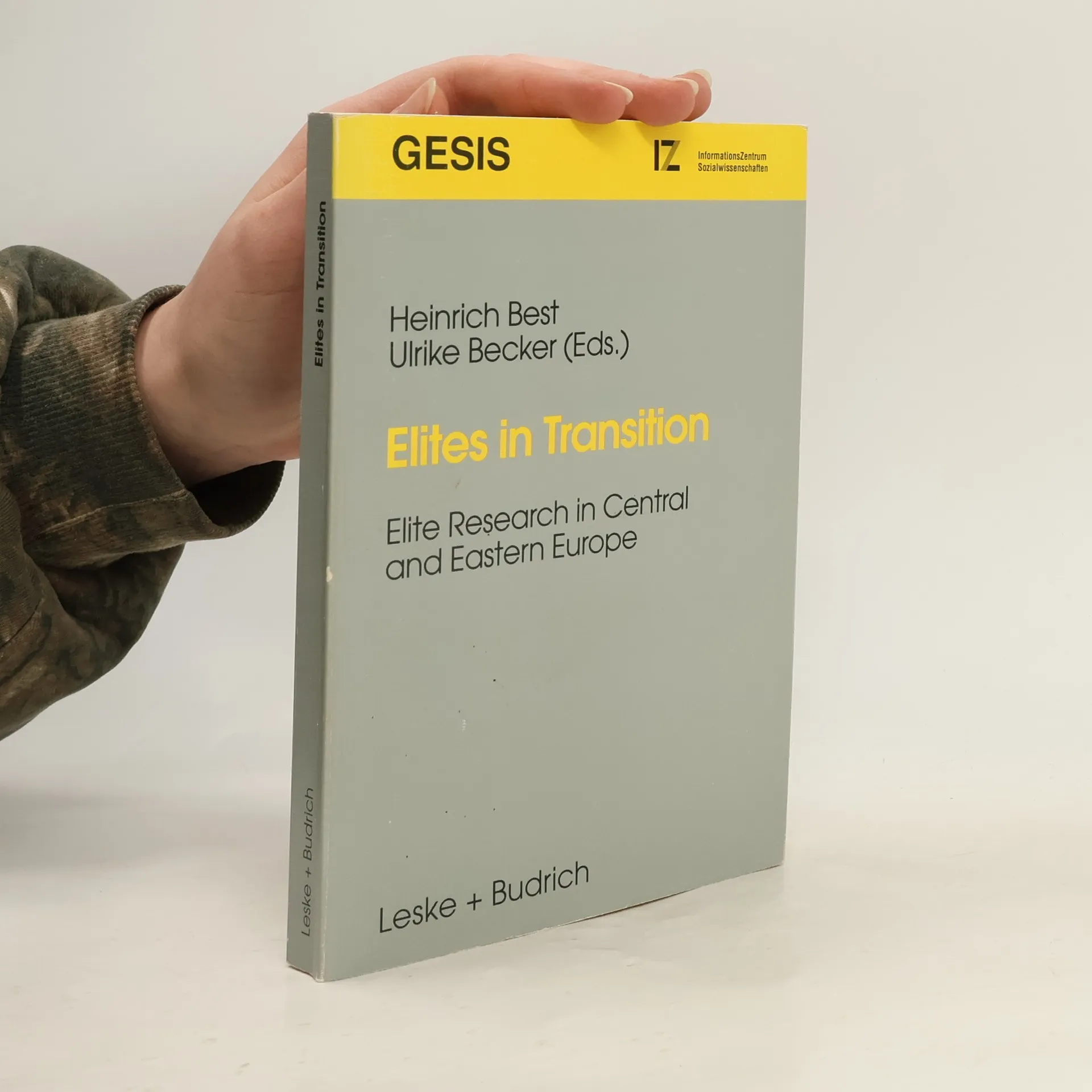
Elites in Transition, Heinrich Best, Ulrike Becker
- Lingua

- Pubblicato
- 1996
- Rilegatura
- (In brossura)
Metodi di pagamento
Ancora nessuna valutazione.
- Titolo
- Elites in Transition
- Sottotitolo
- Elite Research in Central and Eastern Europe
- Lingua
- Inglese
- Autori
- Heinrich Best, Ulrike Becker
- Editore
- Leske und Budrich
- Pubblicato
- 1996
- Formato
- In brossura
- Pagine
- 250
- ISBN10
- 3810018449
- ISBN13
- 9783810018441
- Serie
- Tag
- Natura, Europa, Cultura e Società, Storia locale, Teorie Politiche, Evoluzione, Trasformazione, Diritto Civile, Socialismo, Europa Orientale, Politica sociale
- Descrizione
- The question of who rules in Eastern Europe became crucial for western researchers after the establishment of communist regimes, particularly as state socialism spread into Central Europe post-World War II. This political order, characterized by a highly centralized and repressive power structure according to Leninist and Stalinist theories, directed attention toward the top echelons of party and state officials. The extreme centralization of power led to an elitist analysis, often viewed from a distance. Paradoxically, a system that claimed to represent the pinnacle of historical development and espoused egalitarianism while denying individual significance was largely interpreted through the personal traits, rivalries, and idiosyncrasies of its leaders. Much of society remained shrouded in obscurity, revealing only fragments of social life far removed from the centers of power. While it is debatable whether this focus on elite figures distorted the overall understanding of these regimes, it certainly contributed to an overestimation of their stability, an underappreciation of their diversity, and a misjudgment of the conflicts and divisions that existed within them.