

Parametri
- 128pagine
- 5 ore di lettura
Maggiori informazioni sul libro
Stories can provide a highly motivating, engaging and realistic source of genuine language interaction in the classroom. They are 'living language' in which the teacher (or student storyteller) becomes the source of language, and the listeners are actively involved in understanding. The authors argue from experience that almost everyone can tell stories convincingly, especially given an outline to work from. A very wide range of these outlines, from many cultures and sources, are provided. These can be used by the teacher as a resource for a variety of activities for students from beginner to advanced levels, including listening comprehension, grammar practice, oral production and fluency practice, but above all for exposure to real spoken language.
Acquisto del libro
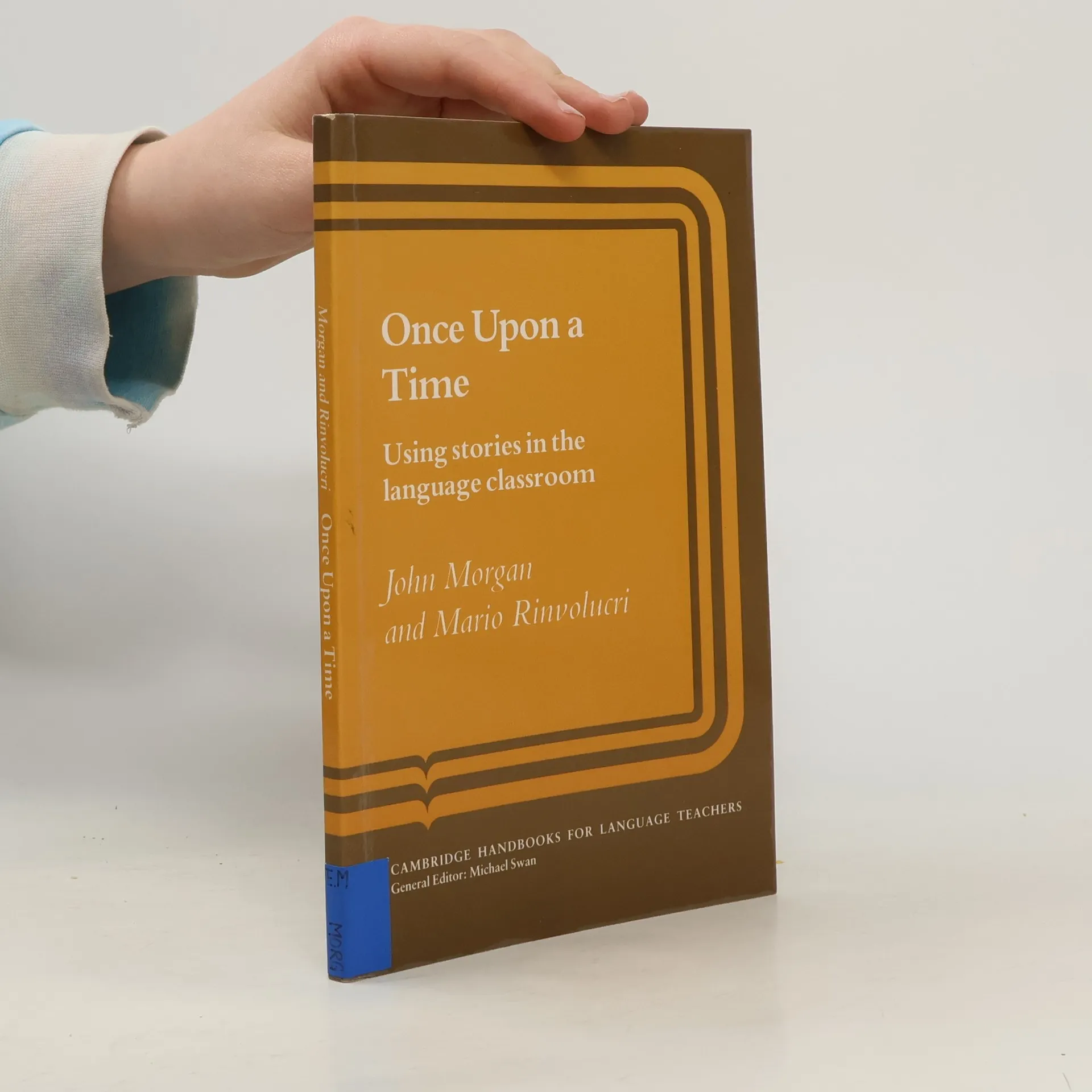
Cambridge Handbooks for Language Teachers: Once upon a Time, John Morgan, Mario Rinvolucri, Michael Swam
- Lingua

- Pubblicato
- 1983
- product-detail.submit-box.info.binding
- (Copertina rigida)
Metodi di pagamento
Ancora nessuna valutazione.
- Titolo
- Cambridge Handbooks for Language Teachers: Once upon a Time
- Sottotitolo
- Using Stories in the Language Classroom
- Lingua
- Inglese
- Autori
- John Morgan, Mario Rinvolucri, Michael Swam
- Editore
- Cambridge University Press
- Pubblicato
- 1983
- Formato
- Copertina rigida
- Pagine
- 128
- ISBN10
- 0521252695
- ISBN13
- 9780521252690
- Tag
- Saggistica, Scienze sociali, Libri di testo, Dizionari Linguistici e Libri di Testo, Lingue, Manuali di lingua, Letteratura specialistica, Sui libri, Scienze umane, Lingue straniere
- Descrizione
- Stories can provide a highly motivating, engaging and realistic source of genuine language interaction in the classroom. They are 'living language' in which the teacher (or student storyteller) becomes the source of language, and the listeners are actively involved in understanding. The authors argue from experience that almost everyone can tell stories convincingly, especially given an outline to work from. A very wide range of these outlines, from many cultures and sources, are provided. These can be used by the teacher as a resource for a variety of activities for students from beginner to advanced levels, including listening comprehension, grammar practice, oral production and fluency practice, but above all for exposure to real spoken language.