


Maggiori informazioni sul libro
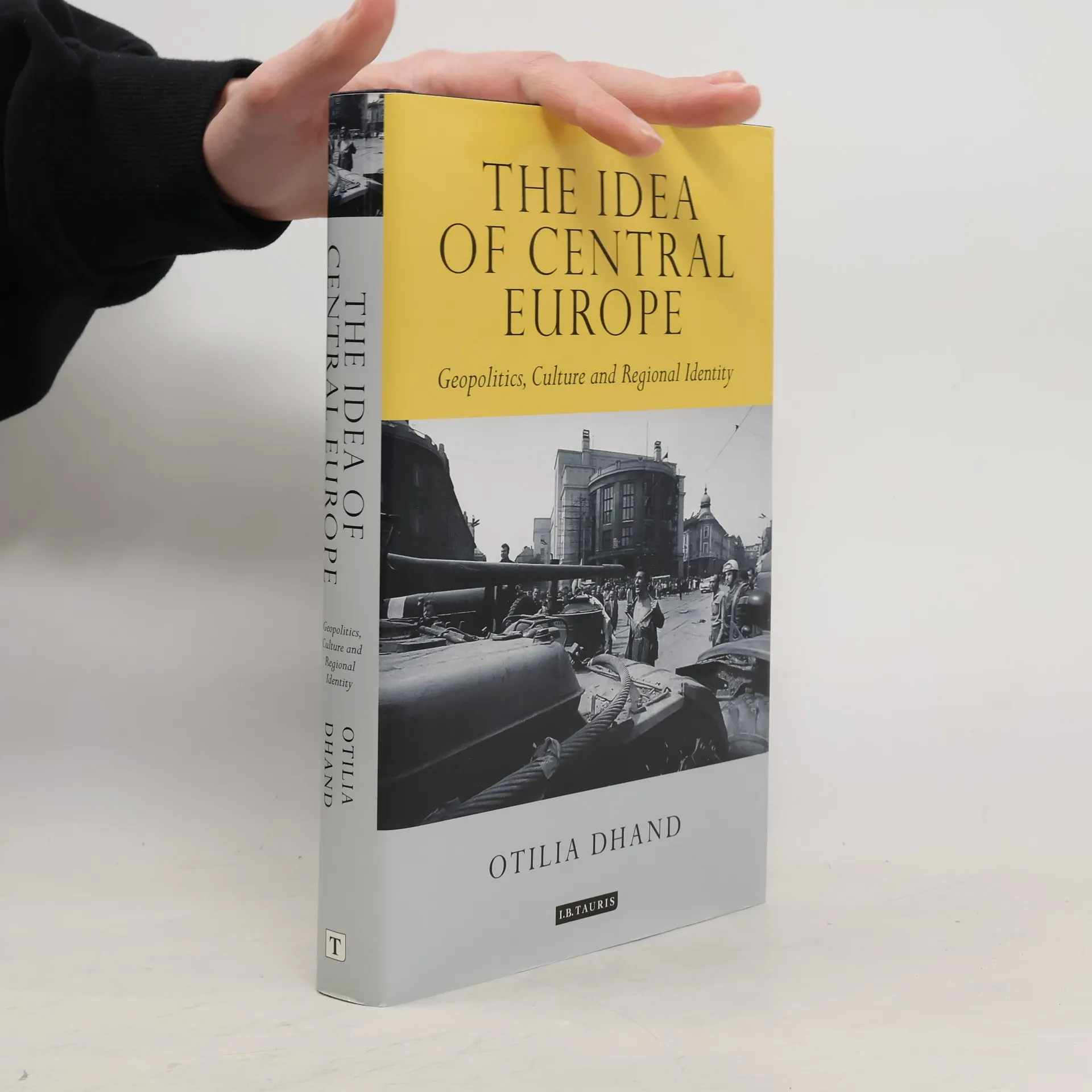
Central Europe is one of the key notions of classical geopolitics yet it has always been a somewhat elusive concept. Originally perceived as a plan for a German dominated political and economic union, it subsequently emerged to threaten leaders in the East and West in a variety of forms. Otilia Dhand provides a critical examination of the concept of Central Europe, from its early inception to the present day. Making extensive use of archival material, she shows how successive manifestations of Central Europe - of whatever vintage - have failed to bring about their intended changes on the international structure, and how customary claims about Central Europe are not supported by the original source material. The result is a work of outstanding scholarship that advances our understanding of regionalism and geopolitics in Europe.
Acquisto del libro
Tauris Historical Geographical Series: The Idea of Central Europe, Otilia Dhand
- Lingua

- Pubblicato
- 2018
- Rilegatura
- (Copertina rigida)
Metodi di pagamento
Ancora nessuna valutazione.
- Titolo
- Tauris Historical Geographical Series: The Idea of Central Europe
- Sottotitolo
- Geopolitics, Culture and Regional Identity
- Lingua
- Inglese
- Autori
- Otilia Dhand
- Editore
- I.B. Tauris
- Pubblicato
- 2018
- Formato
- Copertina rigida
- Pagine
- 288
- ISBN10
- 1784538531
- ISBN13
- 9781784538538
- Serie
- Tag
- Tema stórico, Germania, Europa, Storia locale, Storia d'Europa, Teorie Politiche, Europa Occidentale, Europa Centrale, Geopolitica, Geografia storica, Geografia Politica
- Descrizione
- Central Europe is one of the key notions of classical geopolitics yet it has always been a somewhat elusive concept. Originally perceived as a plan for a German dominated political and economic union, it subsequently emerged to threaten leaders in the East and West in a variety of forms. Otilia Dhand provides a critical examination of the concept of Central Europe, from its early inception to the present day. Making extensive use of archival material, she shows how successive manifestations of Central Europe - of whatever vintage - have failed to bring about their intended changes on the international structure, and how customary claims about Central Europe are not supported by the original source material. The result is a work of outstanding scholarship that advances our understanding of regionalism and geopolitics in Europe.