


Maggiori informazioni sul libro
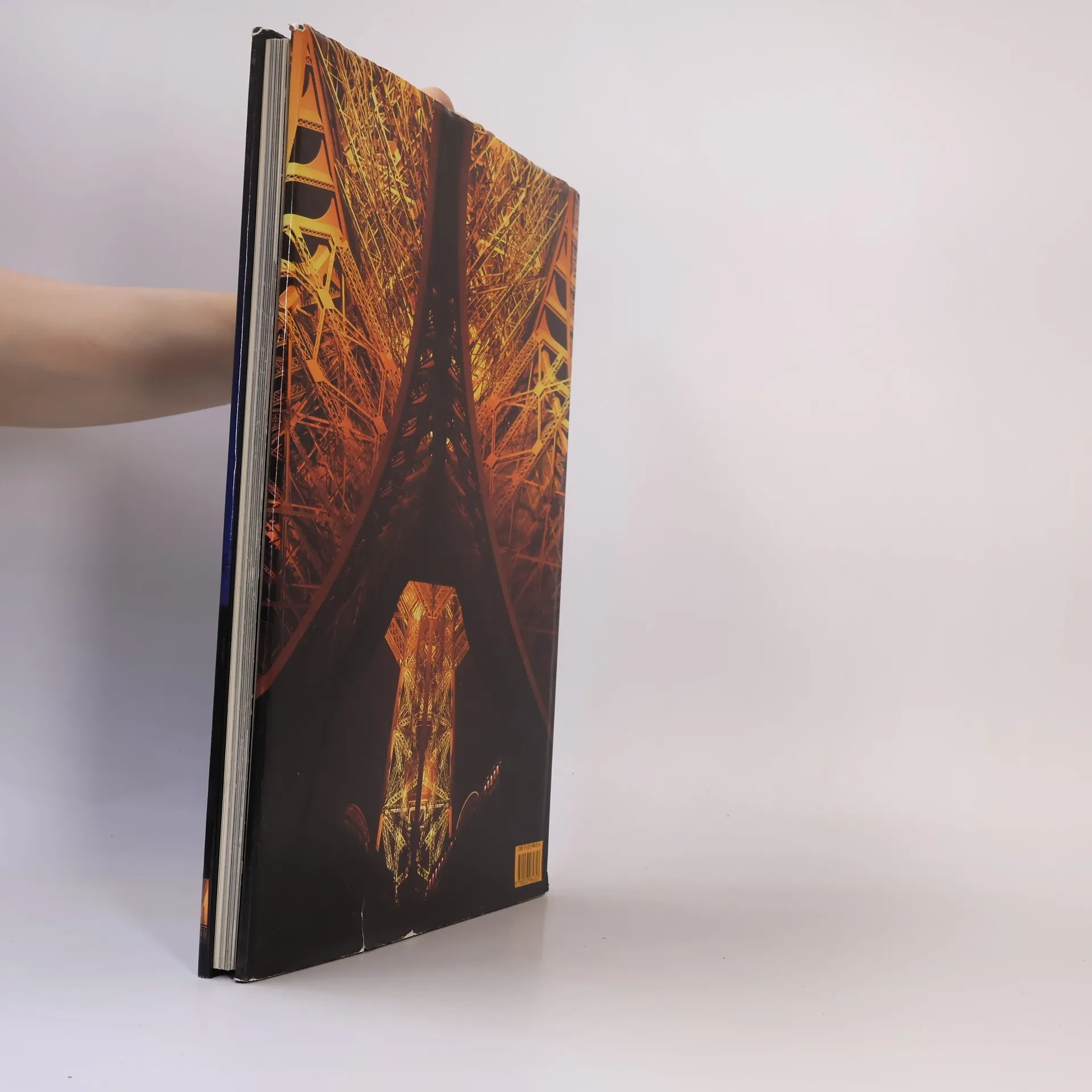
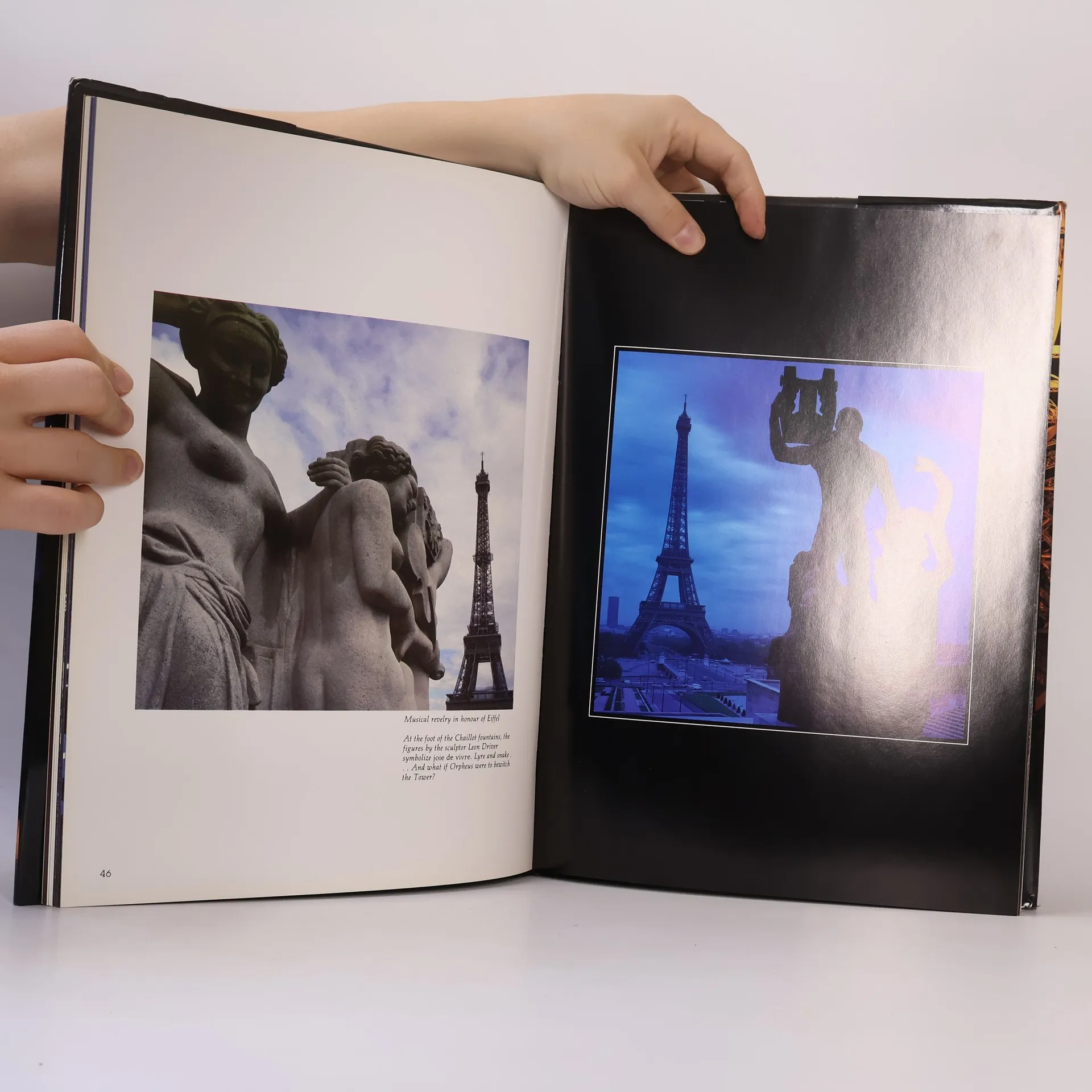
In 60 or so intense, almost luridly high-color photographs, Denker(photographer for Life, Paris-Match, Stern) focuses on the Eiffel Tower--from all sides and distances ranging from the far-off Place de Bastille to inside the "metal monstrosity," as some early (and eminent) detractors of the "giraffe . . . cyclops . . . skeleton . . . suppository" called La Tour. There are night shots taken from across the rooftops and river, and others taken at dawn in winter from a hundred yards off. Sagan's (Bonjour Tristesse) wry, entertaining history/appreciation of the tower describes why the structure is ascribed the feminine gender and her multi-purposes; what happens if one jumps from the second level (as opposed to the first); the tourists, among them acrobats, mountaineers, airmen, and employees and statesmen who frequent her. Included as well is a short biography of Gustave Eiffel, who made--and fought for--his tower. A number of black-and-white historical photos also accompany the text--Hitler on the Champs de Mars, Edith Piaf singing La Marseillaise from on high, etc.
Acquisto del libro
The Eiffel Tower, Winnie Denker, Françoise Sagan
- Lingua

- Pubblicato
- 1989
- Rilegatura
- (In brossura)
Metodi di pagamento
Ancora nessuna valutazione.
- Titolo
- The Eiffel Tower
- Sottotitolo
- A Centenary Celebration
- Lingua
- Inglese
- Autori
- Winnie Denker, Françoise Sagan
- Editore
- Carlton Books Limited
- Pubblicato
- 1989
- Formato
- In brossura
- Pagine
- 102
- ISBN10
- 0233984356
- ISBN13
- 9780233984353
- Serie
- Tag
- Viaggi, Architettura, Francia
- Descrizione
- In 60 or so intense, almost luridly high-color photographs, Denker(photographer for Life, Paris-Match, Stern) focuses on the Eiffel Tower--from all sides and distances ranging from the far-off Place de Bastille to inside the "metal monstrosity," as some early (and eminent) detractors of the "giraffe . . . cyclops . . . skeleton . . . suppository" called La Tour. There are night shots taken from across the rooftops and river, and others taken at dawn in winter from a hundred yards off. Sagan's (Bonjour Tristesse) wry, entertaining history/appreciation of the tower describes why the structure is ascribed the feminine gender and her multi-purposes; what happens if one jumps from the second level (as opposed to the first); the tourists, among them acrobats, mountaineers, airmen, and employees and statesmen who frequent her. Included as well is a short biography of Gustave Eiffel, who made--and fought for--his tower. A number of black-and-white historical photos also accompany the text--Hitler on the Champs de Mars, Edith Piaf singing La Marseillaise from on high, etc.