

Parametri
- 192pagine
- 7 ore di lettura
Maggiori informazioni sul libro
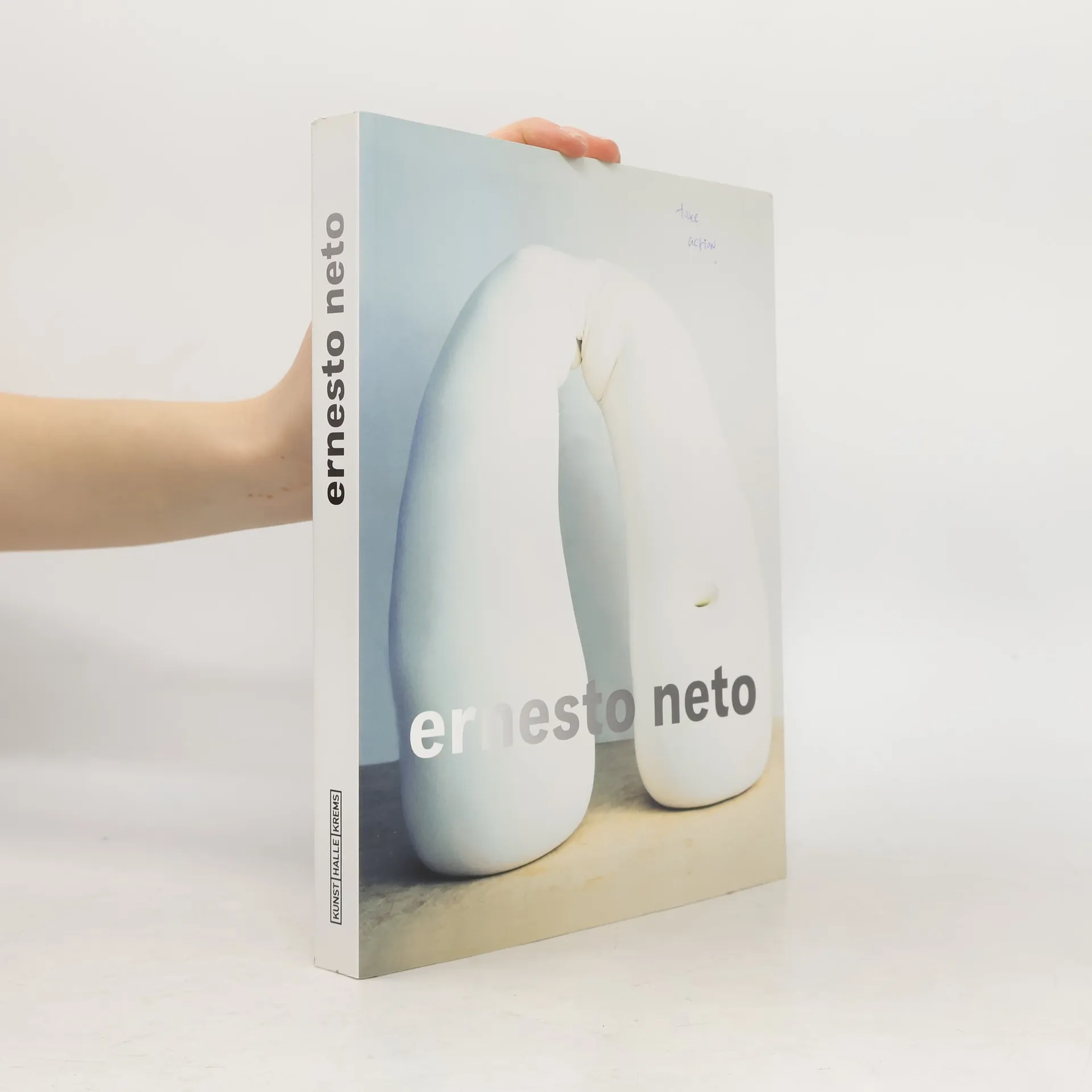
I am sculpture and think as sculpture, said Brazilian artist Ernesto Neto (born 1964). Neto aims to create an equally absorbing, boundary-blurring experience for his audiences, soliciting interaction and multisensory engagement from viewers of his engrossing biomorphic sculptural environments; he seeks nothing less than to create and to tap into a universal language of the senses. Ernesto Neto , published to accompany an exhibition-cum-Gesamtkunstwerk at the Kunsthalle Krems, is conceived as a retrospective and an opportunity to offer new insights into Neto’s biosculptural cosmos of sensuousness, intimacy and interrelationships (both human and material). Particular attention is paid in this volume to the roots of Neto’s work in the art history and culture of Brazil, from the Neo-Concrete art of Lygia Clark and Hélio Oiticica to the Tropicália theater, poetry and music of the late 1960s.
Acquisto del libro
Ernesto Neto, Ernesto Neto, Hans-Peter Wipplinger, Verena Gamper, Thomas Mießgang
- Lingua

- Pubblicato
- 2015
- Rilegatura
- (In brossura)
Metodi di pagamento
Ancora nessuna valutazione.
- Titolo
- Ernesto Neto
- Lingua
- Tedesco
- Editore
- Kunsthalle
- Pubblicato
- 2015
- Formato
- In brossura
- Pagine
- 192
- ISBN10
- 390126163X
- ISBN13
- 9783901261633
- Serie
- Categoria
- Descrizione
- I am sculpture and think as sculpture, said Brazilian artist Ernesto Neto (born 1964). Neto aims to create an equally absorbing, boundary-blurring experience for his audiences, soliciting interaction and multisensory engagement from viewers of his engrossing biomorphic sculptural environments; he seeks nothing less than to create and to tap into a universal language of the senses. Ernesto Neto , published to accompany an exhibition-cum-Gesamtkunstwerk at the Kunsthalle Krems, is conceived as a retrospective and an opportunity to offer new insights into Neto’s biosculptural cosmos of sensuousness, intimacy and interrelationships (both human and material). Particular attention is paid in this volume to the roots of Neto’s work in the art history and culture of Brazil, from the Neo-Concrete art of Lygia Clark and Hélio Oiticica to the Tropicália theater, poetry and music of the late 1960s.