

Parametri
- 272pagine
- 10 ore di lettura
Maggiori informazioni sul libro
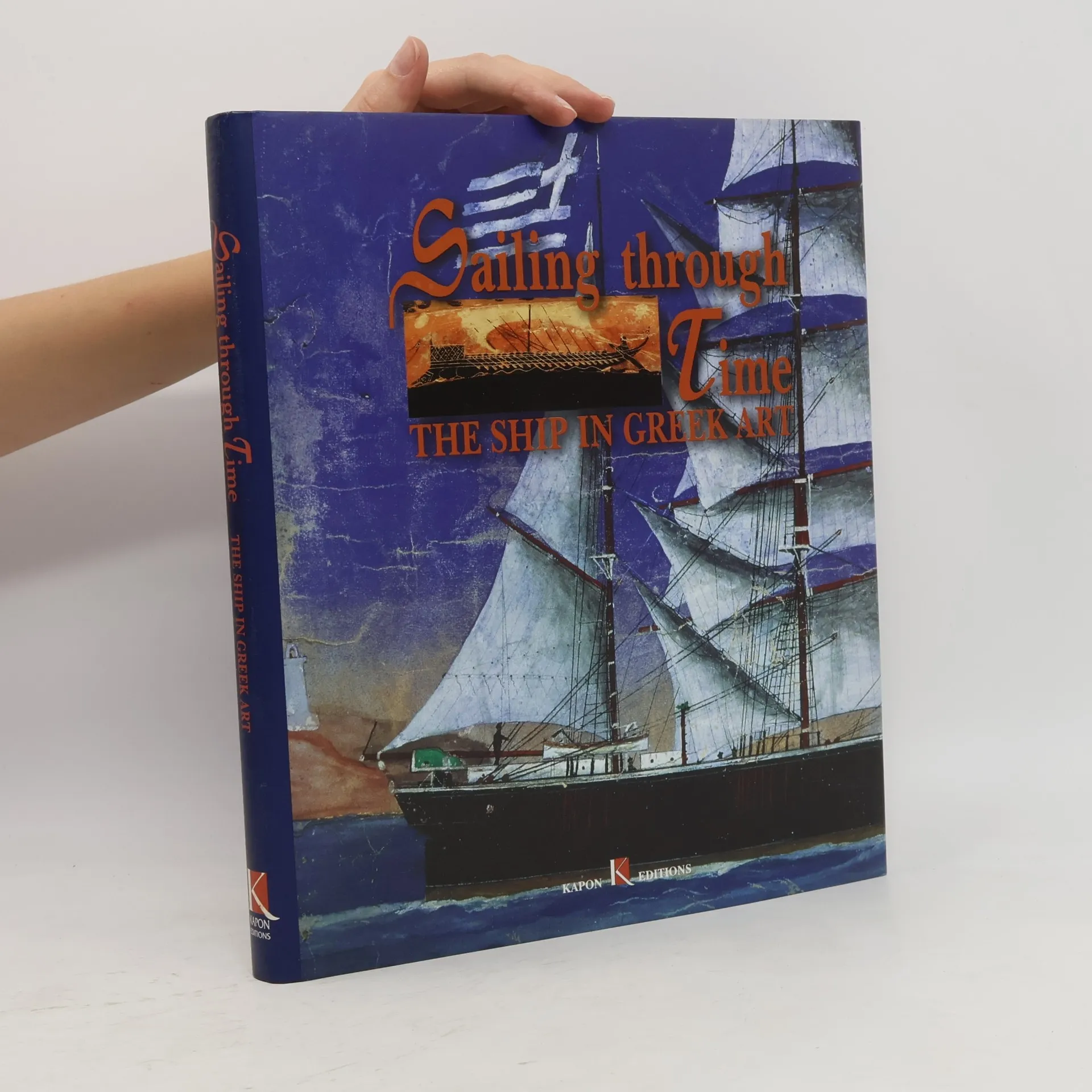
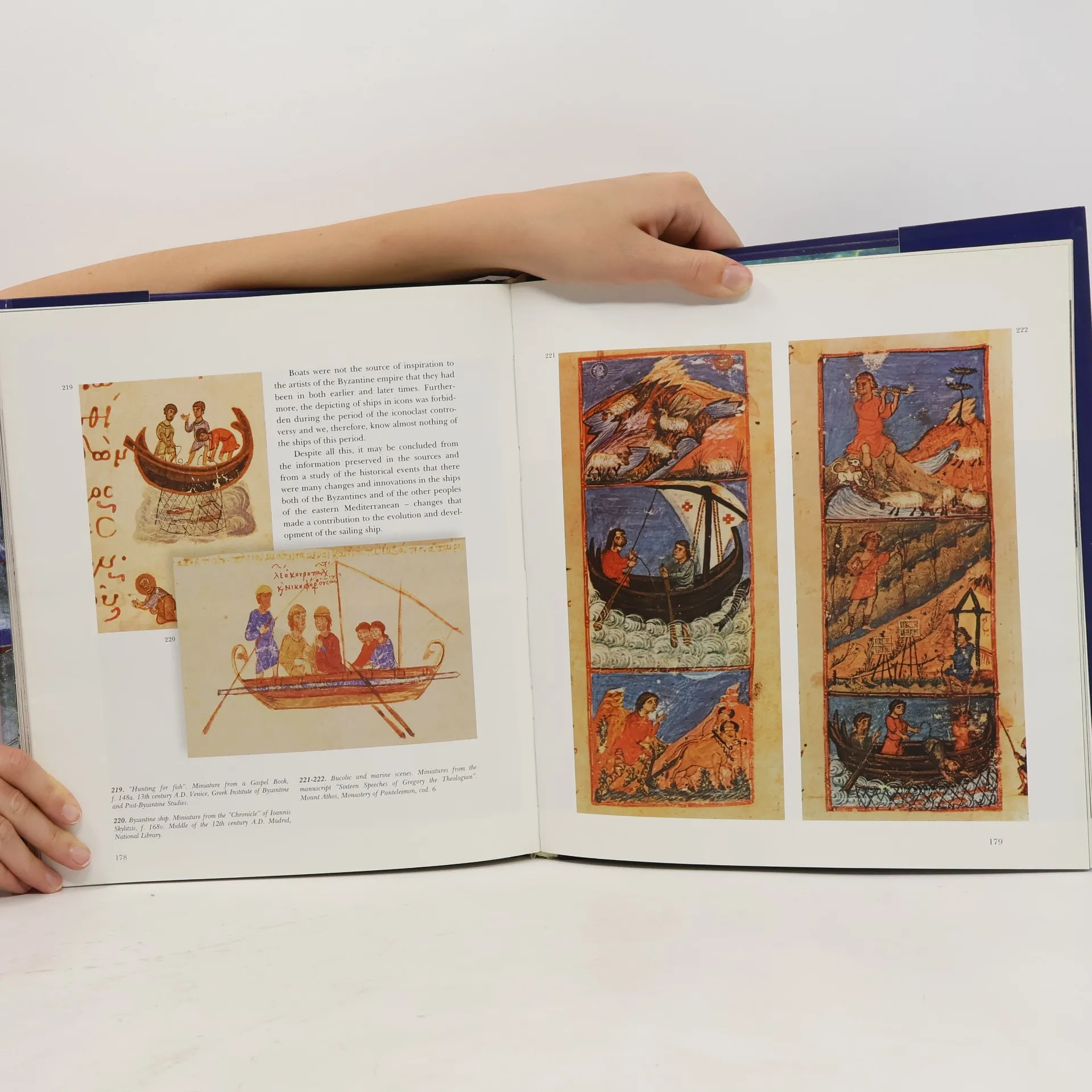
The most important phases of Greek civilization are connected with the sea, through voyages of discovery, naval campaigns and ocean trading. Over the years, and due to its leading role as a means of communication, the ship also became a subject for artistic creations. The history and the evolution of the Greek ship from prehistoric times to the present day are presented through the work of known artists and anonymous craftsmen, executed in a variety of different materials. Ships were carved in stone and marble, incised on bronze, painted on clay or wood, depicted in paintings and murals, embroidered on cloth, printed on paper, offered as votives or worn as amulets. The rich illustrative material has been selected from museums and collections both in Greece and abroad.
Acquisto del libro
Sailing Through Time, David Hardy, Elsie Spathari, Servas Ploutis, Vassos Karageorghis
- Lingua

- Pubblicato
- 1995
- Rilegatura
- (Copertina rigida),
- Condizioni del libro
- In ottime condizioni
- Prezzo
- 8,19 €
Metodi di pagamento
Ancora nessuna valutazione.
- Titolo
- Sailing Through Time
- Sottotitolo
- The Ship in Greek Art
- Lingua
- Inglese
- Editore
- Kapon
- Pubblicato
- 1995
- Formato
- Copertina rigida
- Pagine
- 272
- ISBN10
- 9607254155
- ISBN13
- 9789607254153
- Serie
- Descrizione
- The most important phases of Greek civilization are connected with the sea, through voyages of discovery, naval campaigns and ocean trading. Over the years, and due to its leading role as a means of communication, the ship also became a subject for artistic creations. The history and the evolution of the Greek ship from prehistoric times to the present day are presented through the work of known artists and anonymous craftsmen, executed in a variety of different materials. Ships were carved in stone and marble, incised on bronze, painted on clay or wood, depicted in paintings and murals, embroidered on cloth, printed on paper, offered as votives or worn as amulets. The rich illustrative material has been selected from museums and collections both in Greece and abroad.