

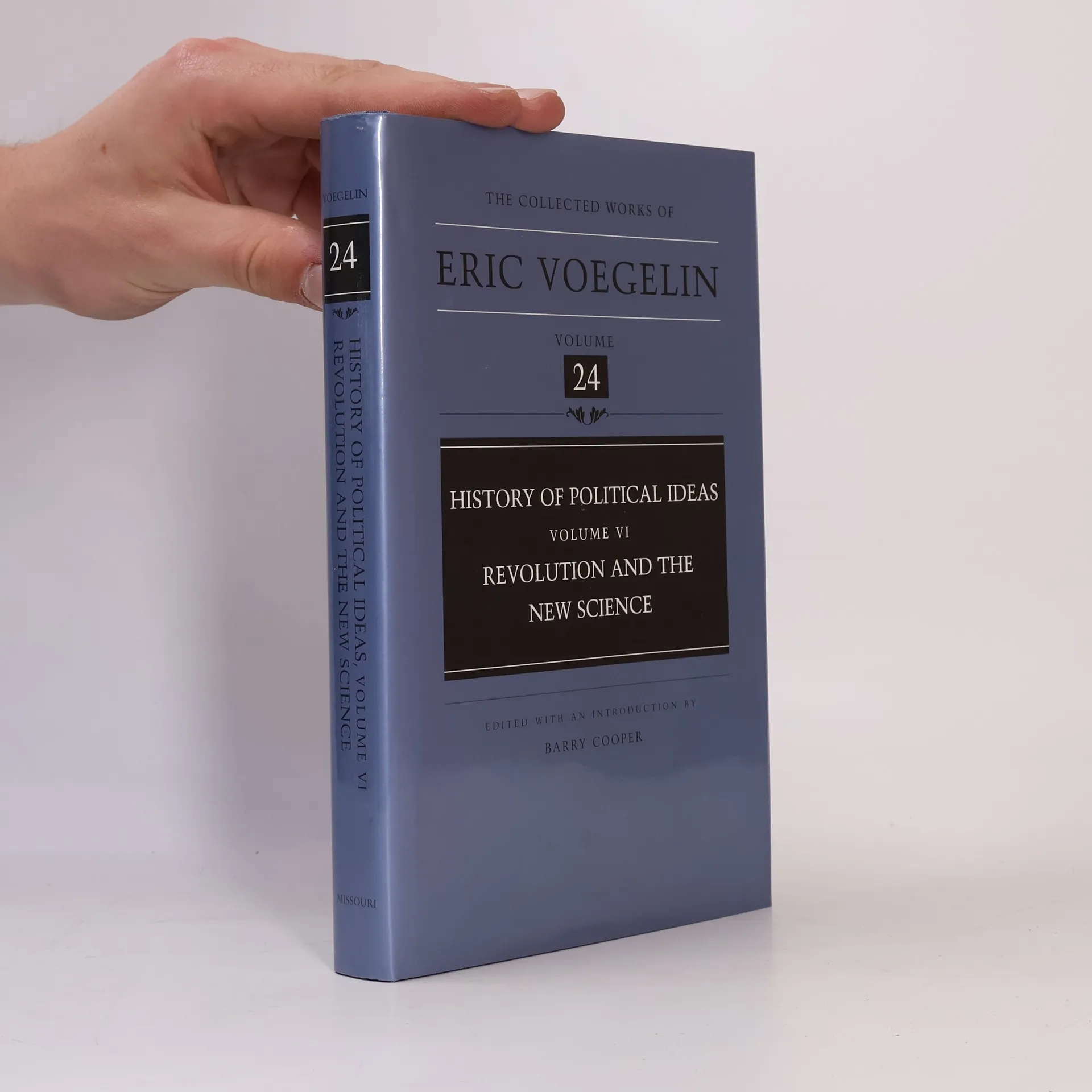
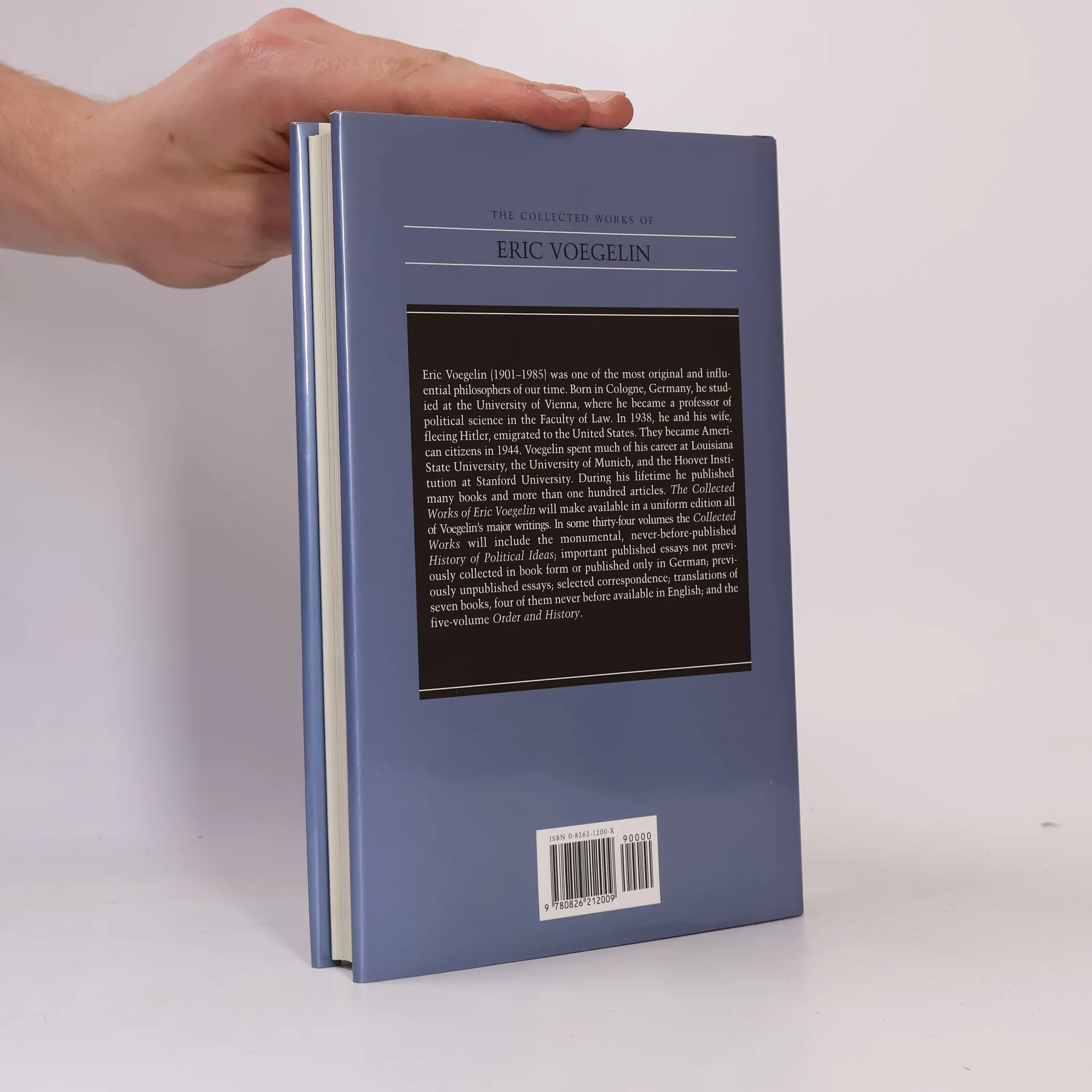
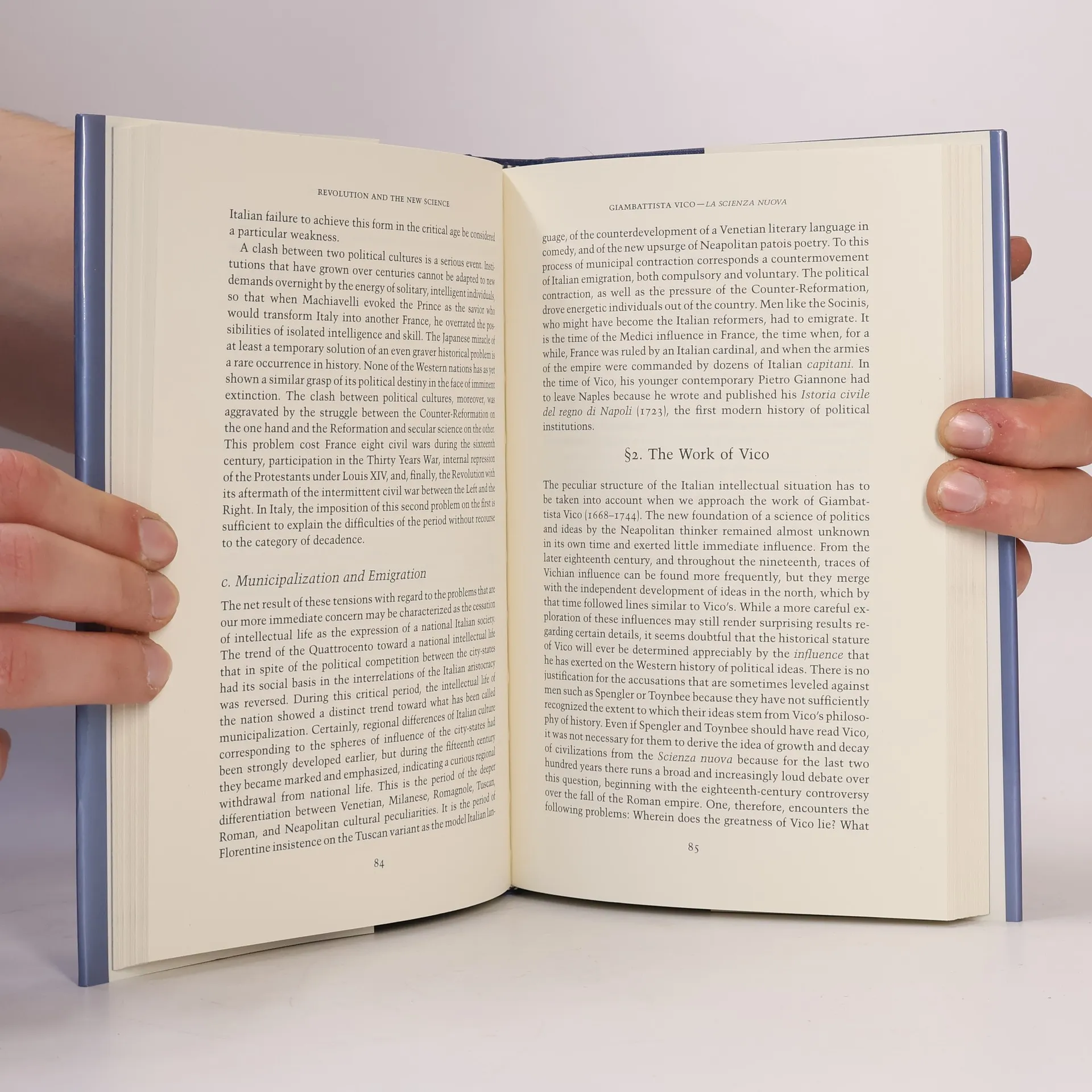
The Collected Works of Eric Voegelin - 24: History of Political Ideas, Volume 6
Revolution and the New Science
Valutazione del libro
Parametri
- 227pagine
- 8 ore di lettura
Maggiori informazioni sul libro
Volume VI of Voegelin's exploration of Western political ideas delves into the mystic-philosopher Jean Bodin, beginning with the conflict between Bishop Bossuet and Voltaire over sacred versus profane history. Bossuet upholds the traditional Christian view rooted in Saint Augustine's City of God, while Voltaire highlights historical facts, such as the sizes of the Russian and Roman empires, Chinese civilization, and the New World, which challenge Bossuet's framework. This volume centers on the historicity of evocative symbols of political order, a problem initially addressed by Vico's New Science. Voegelin connects this issue to a broader trend of increasing closure toward the world-transcendent ground of reality, leading to disorientation in personal, social, and political life, reflected in diminished experiences and narratives of history and nature. Vico stands out as an exception to the decline in modern political thought and self-understanding. The extensive chapter on Vico offers a profound analysis that supports Voegelin's intellectual project. Alongside similarly thought-provoking chapters on Bodin and Schelling in other volumes, this section can be viewed as part of Voegelin's own spiritual autobiography.
Acquisto del libro
The Collected Works of Eric Voegelin - 24: History of Political Ideas, Volume 6, Eric Voegelin, Barry Cooper
- Lingua

- Pubblicato
- 1997
- Rilegatura
- (Copertina rigida)
Metodi di pagamento
Qui potrebbe esserci la tua recensione.
- Titolo
- The Collected Works of Eric Voegelin - 24: History of Political Ideas, Volume 6
- Sottotitolo
- Revolution and the New Science
- Lingua
- Inglese
- Autori
- Eric Voegelin, Barry Cooper
- Editore
- University of Missouri Press
- Pubblicato
- 1997
- Formato
- Copertina rigida
- Pagine
- 227
- ISBN10
- 082621200X
- ISBN13
- 9780826212009
- Serie
- Tag
- Tema stórico, Temi religiosi, Tematica filosofica, Politica, Teorie Politiche, Storia sociale, Storia della filosofia, Filosofia politica
- Valutazione
- 4,8 su 5
- Descrizione
- Volume VI of Voegelin's exploration of Western political ideas delves into the mystic-philosopher Jean Bodin, beginning with the conflict between Bishop Bossuet and Voltaire over sacred versus profane history. Bossuet upholds the traditional Christian view rooted in Saint Augustine's City of God, while Voltaire highlights historical facts, such as the sizes of the Russian and Roman empires, Chinese civilization, and the New World, which challenge Bossuet's framework. This volume centers on the historicity of evocative symbols of political order, a problem initially addressed by Vico's New Science. Voegelin connects this issue to a broader trend of increasing closure toward the world-transcendent ground of reality, leading to disorientation in personal, social, and political life, reflected in diminished experiences and narratives of history and nature. Vico stands out as an exception to the decline in modern political thought and self-understanding. The extensive chapter on Vico offers a profound analysis that supports Voegelin's intellectual project. Alongside similarly thought-provoking chapters on Bodin and Schelling in other volumes, this section can be viewed as part of Voegelin's own spiritual autobiography.