

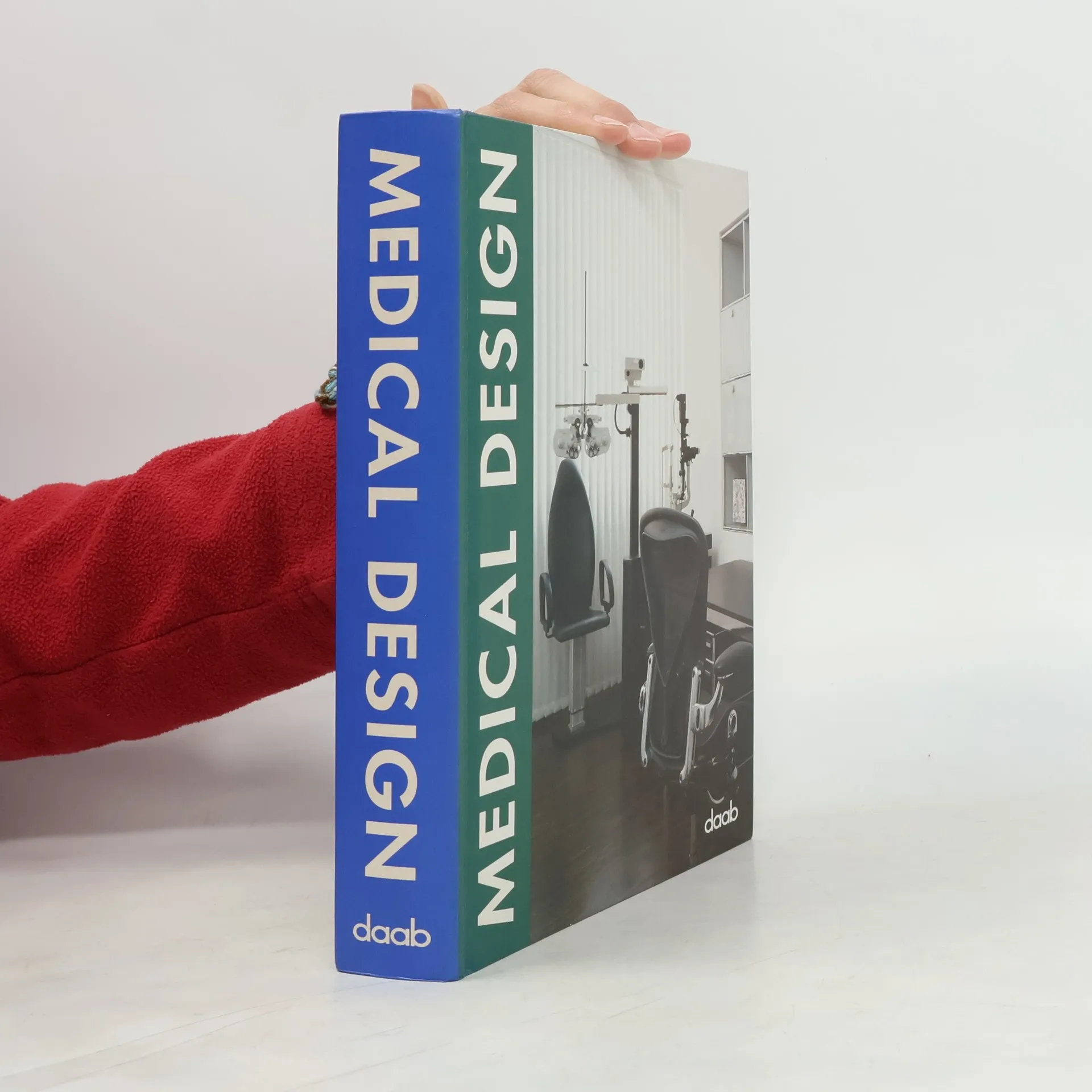
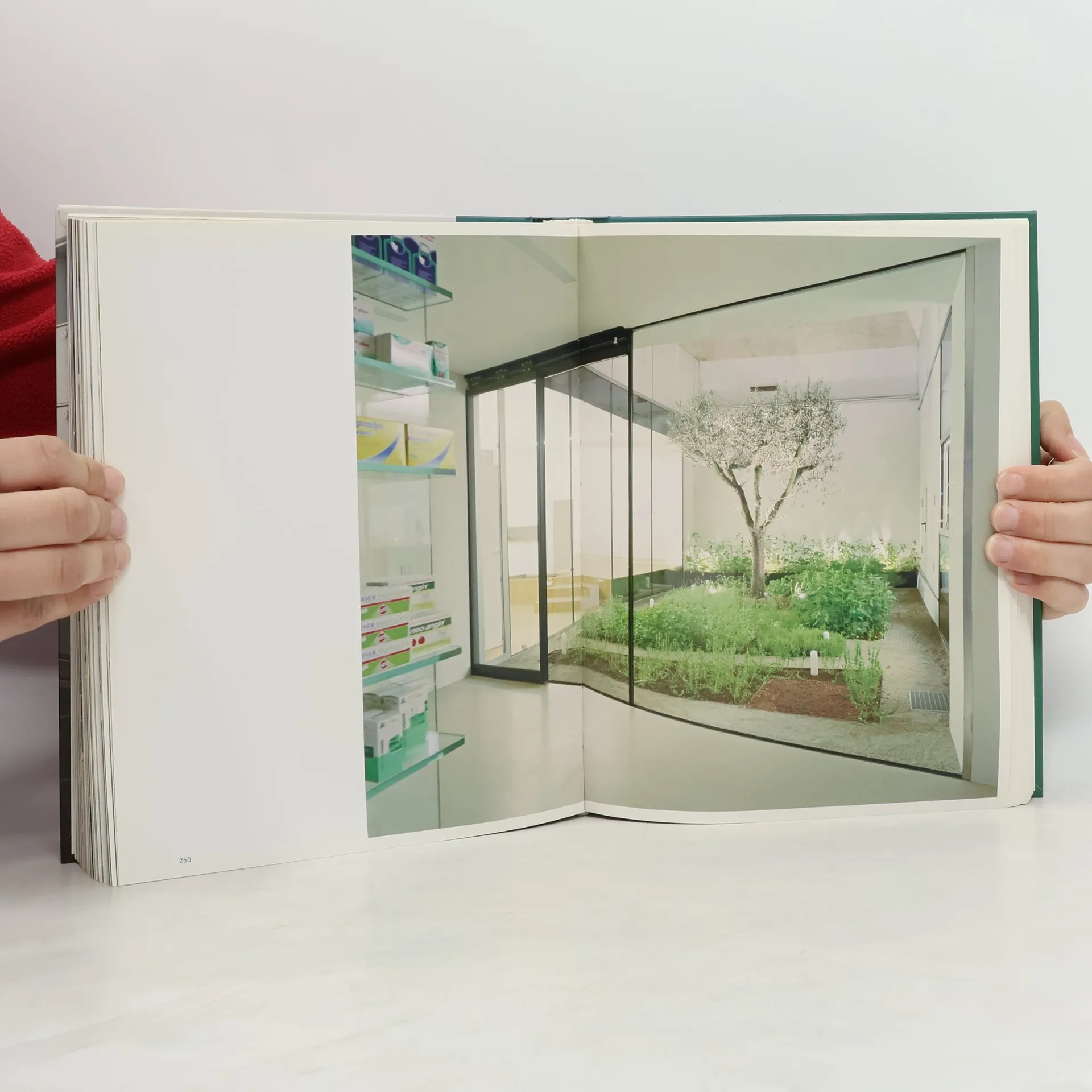
Maggiori informazioni sul libro
Stair Design brings together more than seventy recent projects from all over the world, which respond to highly diverse from just a few steps compensating the changing level in a loft, to never-ending staircases that rise up the facade of a skyscraper. Included in each section and classified according to their public or private use are numerous examples of stairs built from the most commonly used materials; wood, metal, re-enforced concrete and glass, or a combination of these, often used to maximize the design's efficiency. A swell as the wide-ranging sample of typologies and materials, Stair Design offers a selection of creative solutions for elements such as banisters or lighting, which are fundamental as the steps themselves.
Acquisto del libro
Stair Design, AA.VV.
- Lingua

- Pubblicato
- 2007
- Rilegatura
- (Copertina rigida)
Metodi di pagamento
Qui potrebbe esserci la tua recensione.
- Titolo
- Stair Design
- Lingua
- Inglese
- Autori
- AA.VV.
- Editore
- Daab
- Pubblicato
- 2007
- Formato
- Copertina rigida
- Pagine
- 399
- ISBN10
- 3937718648
- ISBN13
- 9783937718644
- Serie
- Tag
- Architettura
- Valutazione
- 3,55 su 5
- Descrizione
- Stair Design brings together more than seventy recent projects from all over the world, which respond to highly diverse from just a few steps compensating the changing level in a loft, to never-ending staircases that rise up the facade of a skyscraper. Included in each section and classified according to their public or private use are numerous examples of stairs built from the most commonly used materials; wood, metal, re-enforced concrete and glass, or a combination of these, often used to maximize the design's efficiency. A swell as the wide-ranging sample of typologies and materials, Stair Design offers a selection of creative solutions for elements such as banisters or lighting, which are fundamental as the steps themselves.