

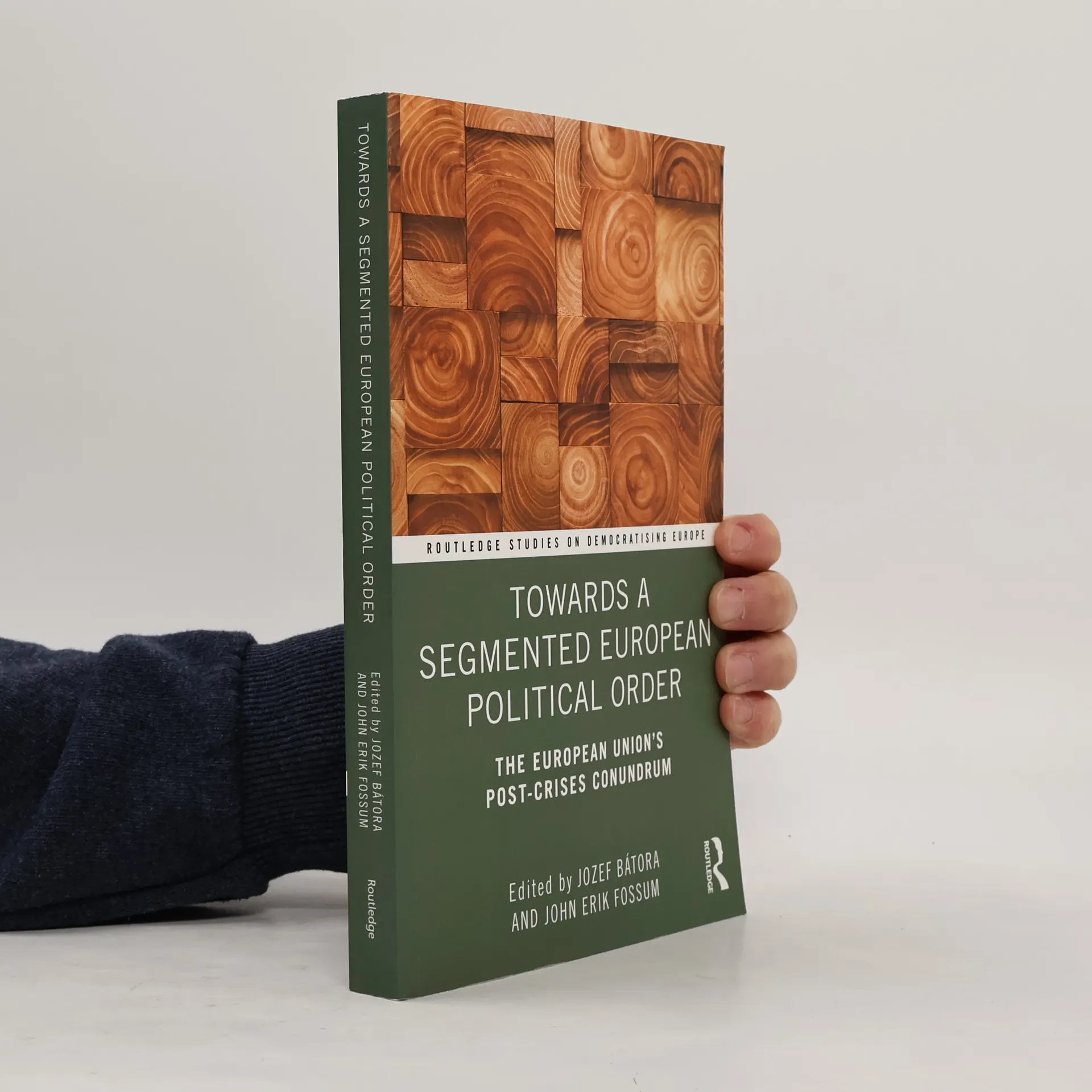
Maggiori informazioni sul libro
This book makes a distinctive contribution to the crucial debate on the European Union's present and future development. It systematically examines how the range of crises and challenges over the last decade have transformed the EU and relates those findings to the discussion of an increasingly differentiated EU. It argues that the post-crises EU shows clear signs of becoming a segmented political order with in-built biases and constraints. The book spells out the key features of such an order in ideational and structural terms and how it more concretely manifests itself in the EU's institutional and constitutional make-up, and in how member states constrain and condition EU action. Different states impose different types of constraints, as is underlined through paying explicit attention to the Visegr�d countries. This book will be of key interest to scholars and students of European Union politics/studies, European integration and politics, East European politics, and foreign policy.
Acquisto del libro
Routledge Studies on Democratising Europe: Towards a Segmented European Political Order, Jozef Bátora, John Erik Fossum
- Lingua

- Pubblicato
- 2019
- Rilegatura
- (In brossura)
Metodi di pagamento
Ancora nessuna valutazione.
- Titolo
- Routledge Studies on Democratising Europe: Towards a Segmented European Political Order
- Sottotitolo
- The European Union's Post-Crises Conundrum
- Lingua
- Inglese
- Autori
- Jozef Bátora, John Erik Fossum
- Editore
- Routledge
- Pubblicato
- 2019
- Formato
- In brossura
- Pagine
- 290
- ISBN10
- 1138495336
- ISBN13
- 9781138495333
- Serie
- Tag
- Tematica giuridica, Politica, Europa, Società, Russia, Storia locale, Teorie Politiche, Opere Complete, 21° Secolo, Europa Occidentale, Unione Europea, Governo, Stranieri, Brexit
- Descrizione
- This book makes a distinctive contribution to the crucial debate on the European Union's present and future development. It systematically examines how the range of crises and challenges over the last decade have transformed the EU and relates those findings to the discussion of an increasingly differentiated EU. It argues that the post-crises EU shows clear signs of becoming a segmented political order with in-built biases and constraints. The book spells out the key features of such an order in ideational and structural terms and how it more concretely manifests itself in the EU's institutional and constitutional make-up, and in how member states constrain and condition EU action. Different states impose different types of constraints, as is underlined through paying explicit attention to the Visegr�d countries. This book will be of key interest to scholars and students of European Union politics/studies, European integration and politics, East European politics, and foreign policy.