

Maggiori informazioni sul libro
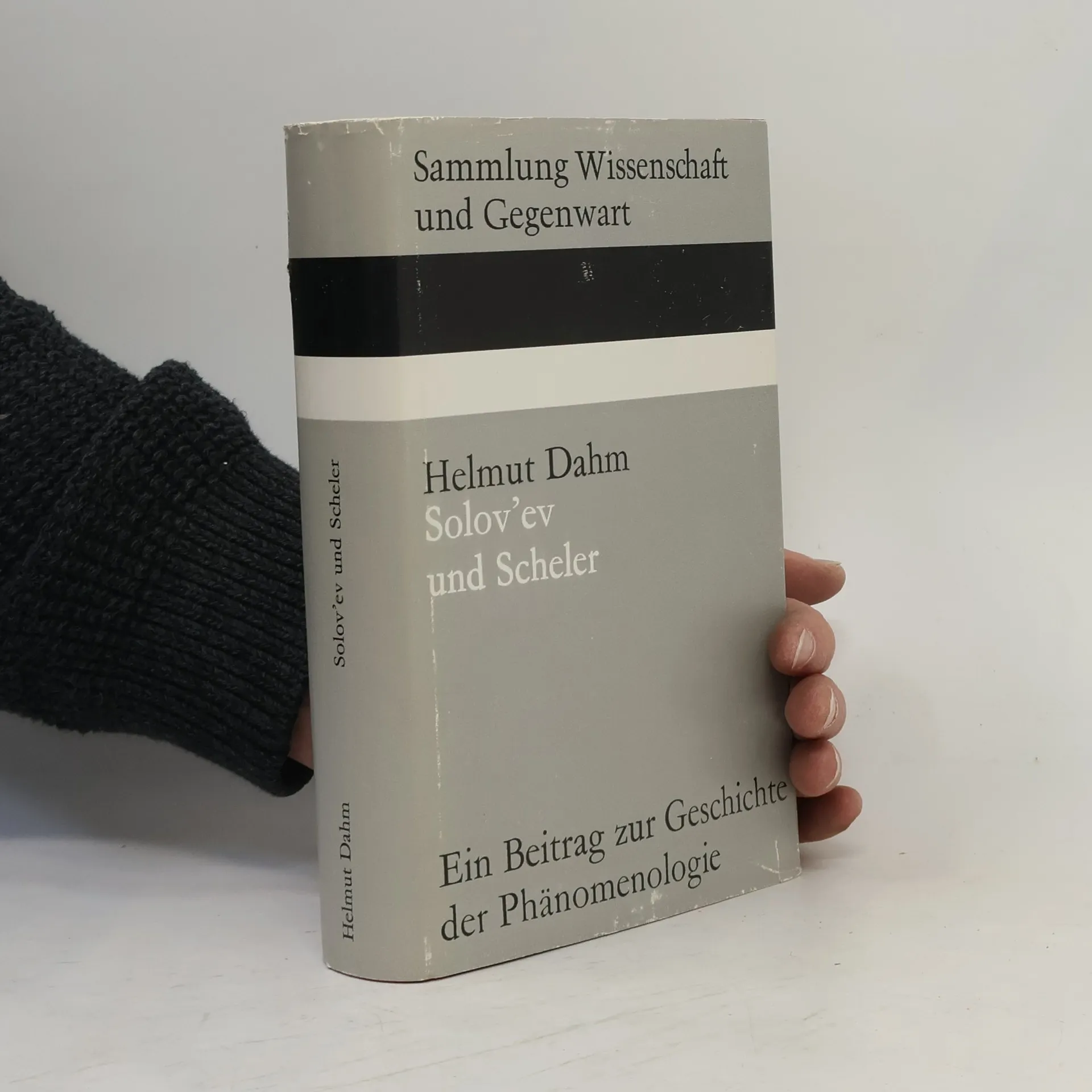
This comparative study examines the works of Vladimir Solovyev and Max Scheler, highlighting areas of direct relation between their thoughts. The author emphasizes that the similarities are not due to any factual influence of Solovyev on Scheler. Instead, the significant parallels in their spiritual and philosophical development are explored, particularly in the chapter on systematic philosophy. This comparison serves a purpose beyond historical interest; it aims to foster better understanding between Eastern and Western philosophies. By establishing a common area of inquiry, the author lays the groundwork for future discussions and demonstrates a convergence of viewpoints on key problems. Additionally, the author considers how the ideas of Solovyev and Scheler may contribute to an emerging consciousness in the Soviet Union, one that critically addresses misrepresentations of both non-Marxist Russian philosophy and Western philosophy as a whole. Regarding the translation, it is important to note the challenge of distinguishing between the German terms "Sein" and "Seiendes," with "being" typically referring to "Seiendes." Lastly, the abbreviations for the works of Solovyev and Scheler used in the footnotes are clarified in the summary found on page 31.
Acquisto del libro
Sammlung Wissenschaft und Gegenwart: Vladimir Solov'ev und Max Scheler, Helmut Dahm
- Lingua

- Pubblicato
- 1971
- Rilegatura
- (Copertina rigida)
Metodi di pagamento
Ancora nessuna valutazione.
- Titolo
- Sammlung Wissenschaft und Gegenwart: Vladimir Solov'ev und Max Scheler
- Lingua
- Tedesco
- Autori
- Helmut Dahm
- Editore
- Pustet
- Pubblicato
- 1971
- Formato
- Copertina rigida
- Pagine
- 468
- ISBN10
- 3791601008
- ISBN13
- 9783791601007
- Serie
- Categoria
- Descrizione
- This comparative study examines the works of Vladimir Solovyev and Max Scheler, highlighting areas of direct relation between their thoughts. The author emphasizes that the similarities are not due to any factual influence of Solovyev on Scheler. Instead, the significant parallels in their spiritual and philosophical development are explored, particularly in the chapter on systematic philosophy. This comparison serves a purpose beyond historical interest; it aims to foster better understanding between Eastern and Western philosophies. By establishing a common area of inquiry, the author lays the groundwork for future discussions and demonstrates a convergence of viewpoints on key problems. Additionally, the author considers how the ideas of Solovyev and Scheler may contribute to an emerging consciousness in the Soviet Union, one that critically addresses misrepresentations of both non-Marxist Russian philosophy and Western philosophy as a whole. Regarding the translation, it is important to note the challenge of distinguishing between the German terms "Sein" and "Seiendes," with "being" typically referring to "Seiendes." Lastly, the abbreviations for the works of Solovyev and Scheler used in the footnotes are clarified in the summary found on page 31.