

Maggiori informazioni sul libro
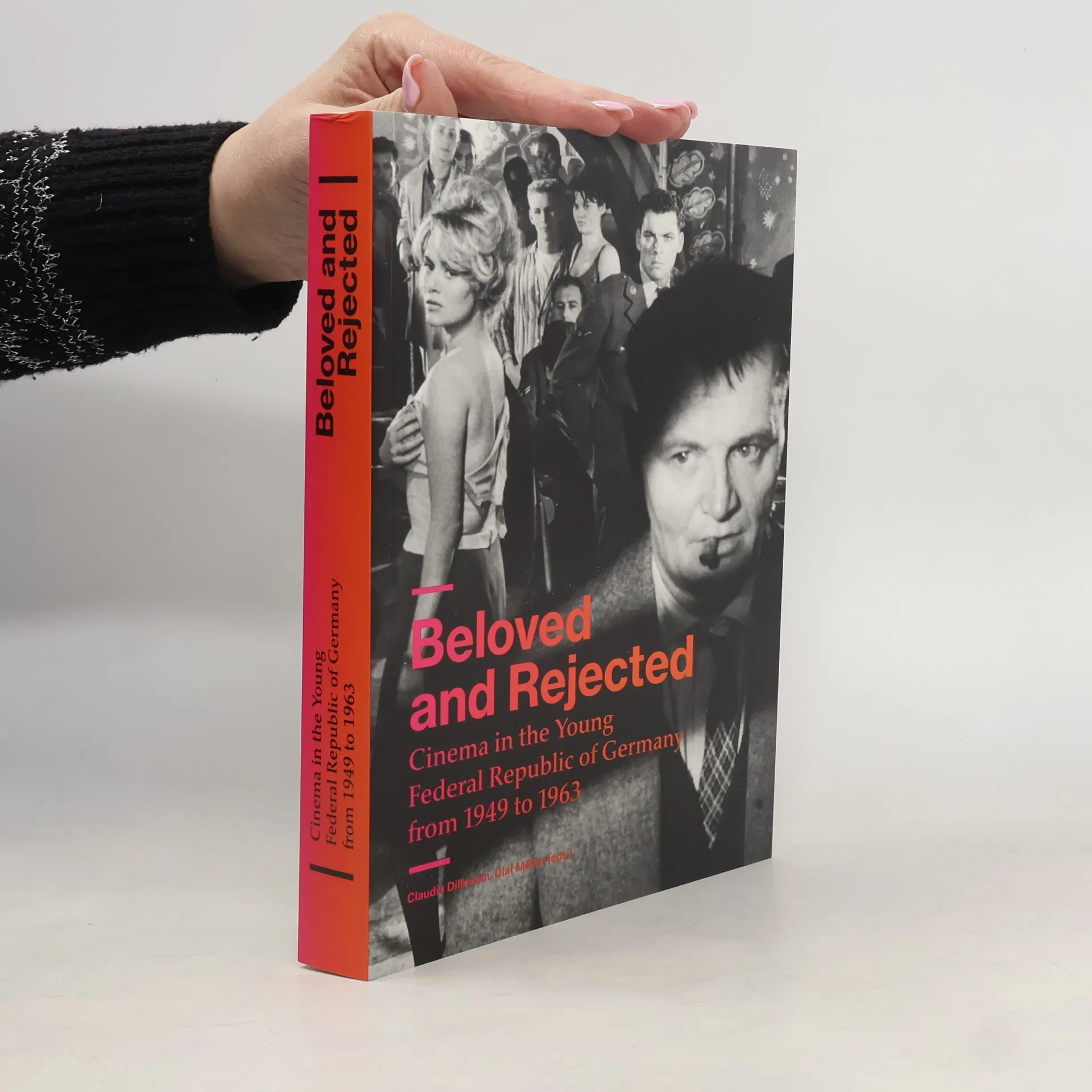
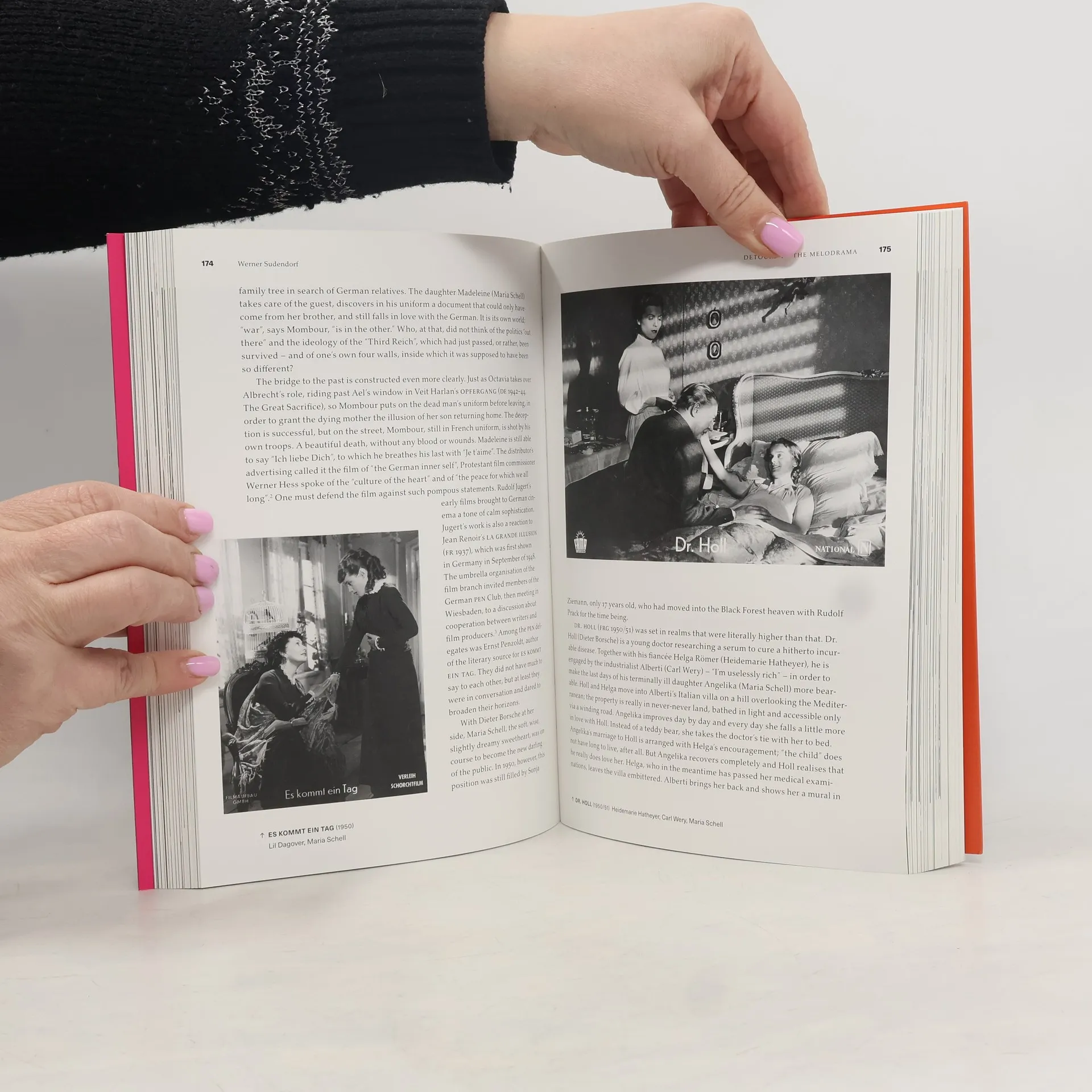
Cinema in the young Federal Republic was varied, combative, and lively, contrasting sharply with established views that often depict it as superficial and inconsequential. Critics have suggested it lacked engagement with urgent societal issues or the exploration of German guilt, and that it was overly oriented towards kitsch and mainstream tastes. However, the 33 texts presented here, written for the 2016 Festival del film Locarno, reveal a polyphonic and outspoken landscape of filmmaking during the Adenauer years. The authors provide contradictory yet complementary perspectives that highlight the diversity of this era's cinema. This collection offers a comprehensive panorama of a period and its films that remain largely unexplored. Contributions from notable writers such as Olaf Möller, Claudia Dillmann, and Miguel Marías, among others, delve into the complexities of this cinematic landscape. Accompanied by 270 pictures from the archives of Deutsches Filminstitut and other sources, the essays collectively challenge the prevailing narratives and invite a reevaluation of the significance and richness of cinema in post-war Germany.
Acquisto del libro
Beloved and Rejected, Claudia Dillmann, Olaf Möller
- Lingua

- Pubblicato
- 2016
- Rilegatura
- (In brossura)
Metodi di pagamento
Ancora nessuna valutazione.
- Titolo
- Beloved and Rejected
- Sottotitolo
- Cinema in the Young Federal Republic of Germany from 1949 to 1963
- Lingua
- Inglese
- Autori
- Claudia Dillmann, Olaf Möller
- Pubblicato
- 2016
- Formato
- In brossura
- Pagine
- 415
- ISBN10
- 3887990900
- ISBN13
- 9783887990909
- Serie
- Categoria
- Descrizione
- Cinema in the young Federal Republic was varied, combative, and lively, contrasting sharply with established views that often depict it as superficial and inconsequential. Critics have suggested it lacked engagement with urgent societal issues or the exploration of German guilt, and that it was overly oriented towards kitsch and mainstream tastes. However, the 33 texts presented here, written for the 2016 Festival del film Locarno, reveal a polyphonic and outspoken landscape of filmmaking during the Adenauer years. The authors provide contradictory yet complementary perspectives that highlight the diversity of this era's cinema. This collection offers a comprehensive panorama of a period and its films that remain largely unexplored. Contributions from notable writers such as Olaf Möller, Claudia Dillmann, and Miguel Marías, among others, delve into the complexities of this cinematic landscape. Accompanied by 270 pictures from the archives of Deutsches Filminstitut and other sources, the essays collectively challenge the prevailing narratives and invite a reevaluation of the significance and richness of cinema in post-war Germany.