

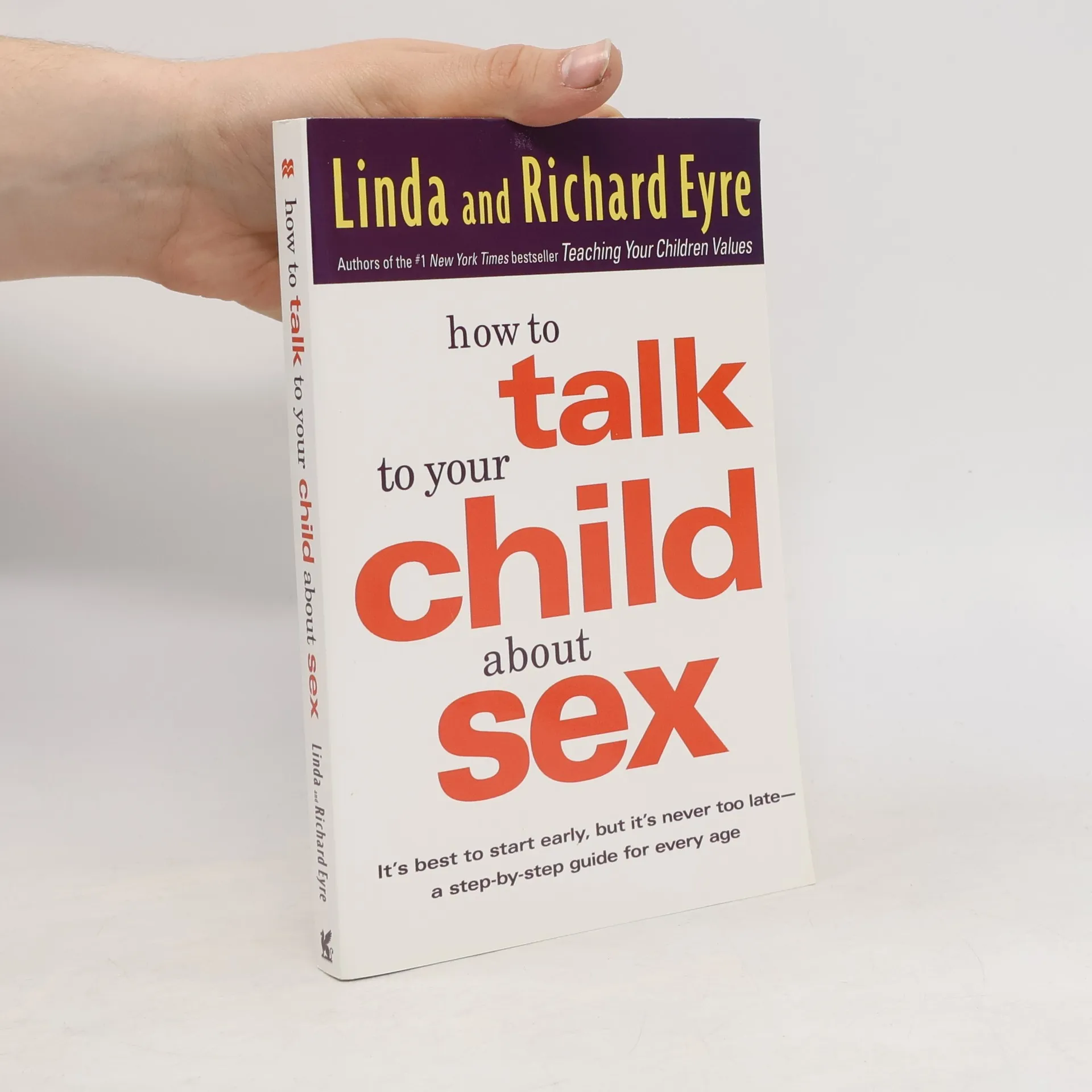

How to Talk to Your Child About Sex
It's Best to Start Early, but It's Never Too Late -- A Step-by-Step Guide for Every Age
Autori
Valutazione del libro
Maggiori informazioni sul libro
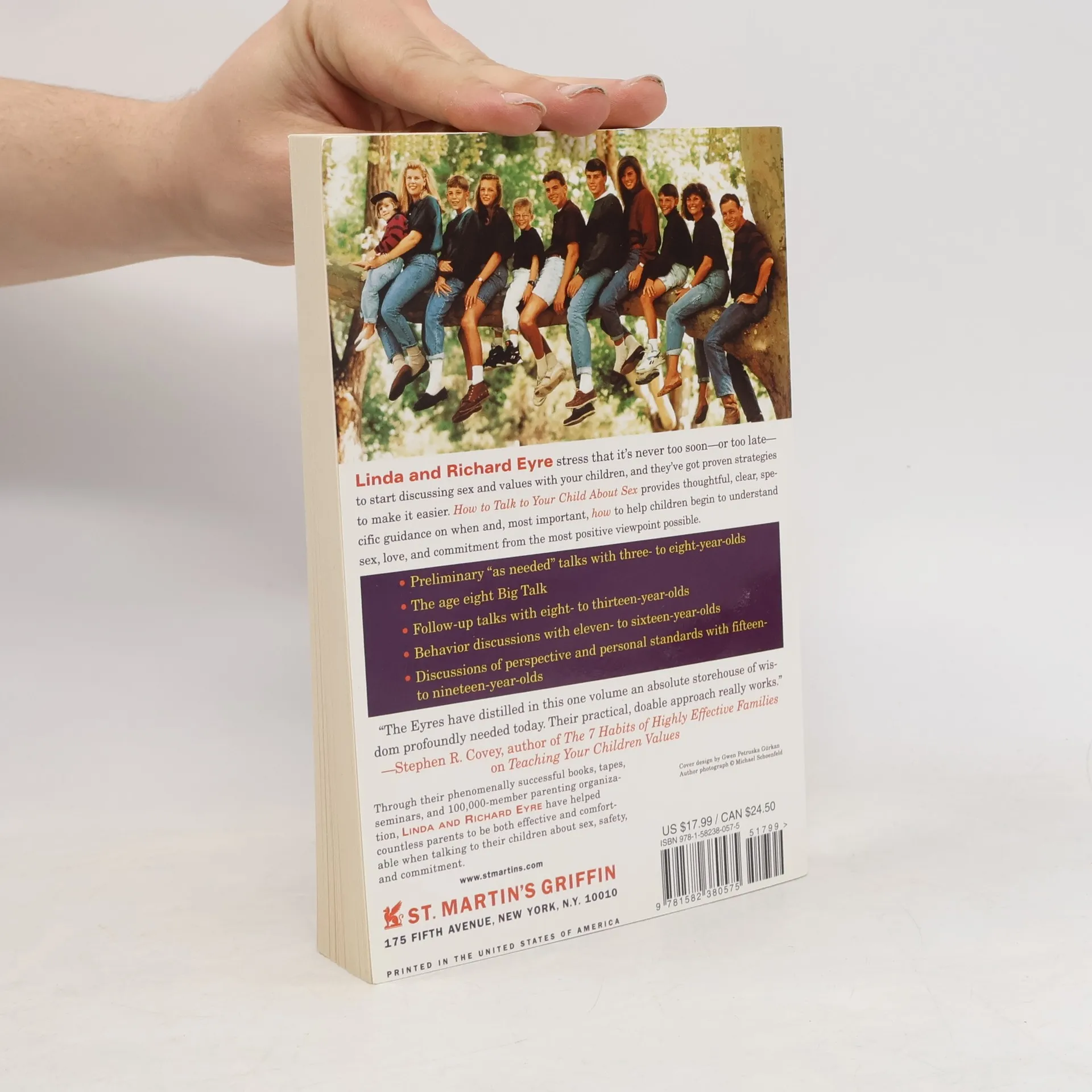
Linda and Richard Eyre stress that it's never too soon-or too late-to start discussing sex and values with your children, and they've got proven strategies to make it easier. For parents who want to go beyond the birds and the bees talk, How to Talk to Your Child About Sex provides thoughtful, clear, specific guidance on when and, most important, how to help children begin to learn and understand sex, love, and commitment from the most positive viewpoint possible.Preliminary "as needed" talks with three-to eight-year-oldsThe age eight Big TalkFollow-up talks with eight-to thirteen-year-oldsBehavior discussions and guidelines with eleven-to sixteen-year-oldsDiscussions of perspective and personal standards with fifteen-to nineteen-year-olds
Acquisto del libro
How to Talk to Your Child About Sex, Linda Eyre, Richard Eyre
- Lingua

- Pubblicato
- 1999
- Rilegatura
- (In brossura)
Metodi di pagamento
Qui potrebbe esserci la tua recensione.
- Titolo
- How to Talk to Your Child About Sex
- Sottotitolo
- It's Best to Start Early, but It's Never Too Late -- A Step-by-Step Guide for Every Age
- Lingua
- Inglese
- Autori
- Linda Eyre, Richard Eyre
- Editore
- St. Martin's Griffin
- Pubblicato
- 1999
- Formato
- In brossura
- Pagine
- 240
- ISBN10
- 1582380570
- ISBN13
- 9781582380575
- Serie
- Valutazione
- 3,9 su 5
- Descrizione
- Linda and Richard Eyre stress that it's never too soon-or too late-to start discussing sex and values with your children, and they've got proven strategies to make it easier. For parents who want to go beyond the birds and the bees talk, How to Talk to Your Child About Sex provides thoughtful, clear, specific guidance on when and, most important, how to help children begin to learn and understand sex, love, and commitment from the most positive viewpoint possible.Preliminary "as needed" talks with three-to eight-year-oldsThe age eight Big TalkFollow-up talks with eight-to thirteen-year-oldsBehavior discussions and guidelines with eleven-to sixteen-year-oldsDiscussions of perspective and personal standards with fifteen-to nineteen-year-olds