



Maggiori informazioni sul libro
Plants have an impressive array of defense tactics to protect themselves from predators of all shapes and sizes--including humans. Stephen Gundry believes that these defense strategies make the seemingly virtuous plants that we consume every day--fruits, vegetables, grains, nuts, and seeds--far less "good for us" than we assume. Dr. Gundry outlines the health hazards posed by lectins. The main sources of lectins in the American diet include conventionally-raised dairy products, beans, and other legumes, wheat and grains, and specific vegetables and fruits With a full list of lectin-containing foods and simple substitutes for each; a step-by-step detox and eating plan; and easy lectin-free recipes, The Plant Paradox illuminates the hidden dangers lurking in your salad bowl—and shows you how to eat whole foods in a whole new way.


Acquisto del libro
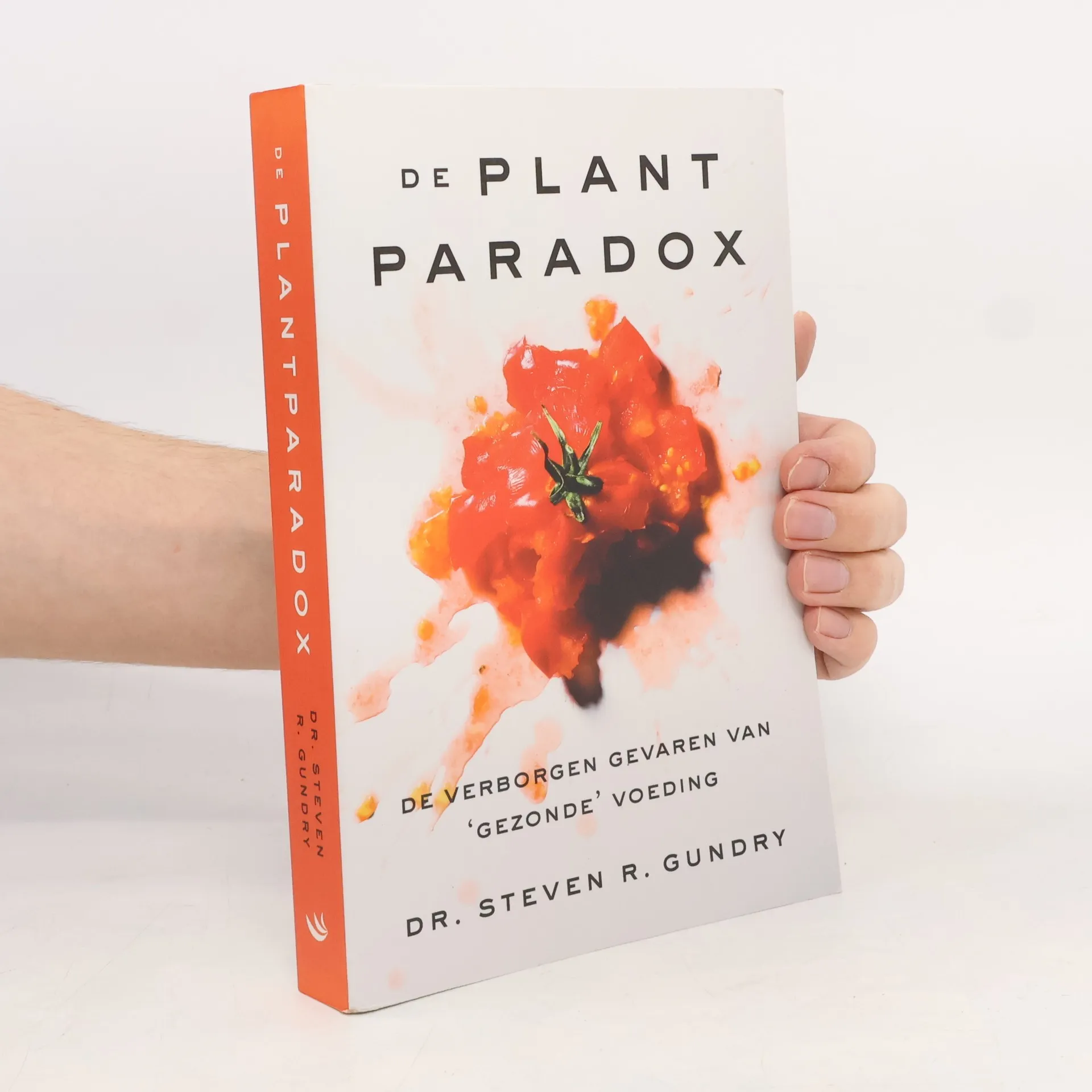
De plantparadox, Steven R. Gundry, Olivia Bell Buehl
- Lingua

- Pubblicato
- 2018
- Rilegatura
- (In brossura)
Metodi di pagamento
Qui potrebbe esserci la tua recensione.
- Titolo
- De plantparadox
- Sottotitolo
- De verborgen gevaren van 'gezonde' voeding
- Lingua
- Olandese
- Editore
- ScriptumNL
- Pubblicato
- 2018
- Formato
- In brossura
- Pagine
- 327
- ISBN10
- 9463190961
- ISBN13
- 9789463190961
- Serie
- Categoria
- Tag
- Salute & Medicina, Scienza, Salute, Cibo, Diete, Stile di vita, Alimenti, Sistema immunitario, Microbioma, Intestini, Intestino Crasso
- Prima pubblicazione
- 2017
- Titolo originale
- The Plant Paradox – The Hidden Dangers in „Healthy“ Foods That Cause Disease and Weight Gain
- Valutazione
- 3,85 su 5
- Descrizione
- Plants have an impressive array of defense tactics to protect themselves from predators of all shapes and sizes--including humans. Stephen Gundry believes that these defense strategies make the seemingly virtuous plants that we consume every day--fruits, vegetables, grains, nuts, and seeds--far less "good for us" than we assume. Dr. Gundry outlines the health hazards posed by lectins. The main sources of lectins in the American diet include conventionally-raised dairy products, beans, and other legumes, wheat and grains, and specific vegetables and fruits With a full list of lectin-containing foods and simple substitutes for each; a step-by-step detox and eating plan; and easy lectin-free recipes, The Plant Paradox illuminates the hidden dangers lurking in your salad bowl—and shows you how to eat whole foods in a whole new way.