


Maggiori informazioni sul libro
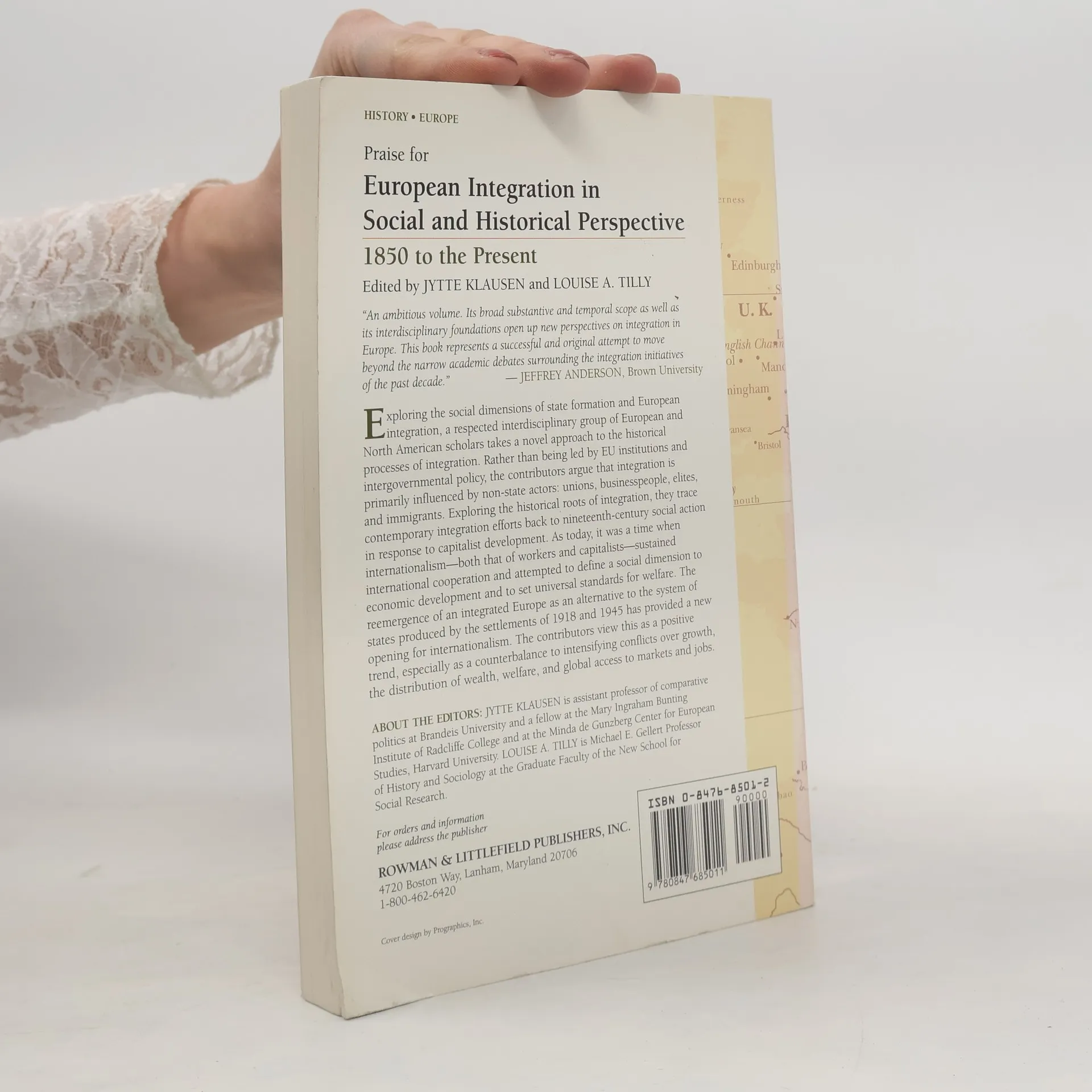
Exploring the social dimensions of state formation and European integration, a respected interdisciplinary group of European and North American scholars takes a novel approach to the historical processes of integration. Rather than being led by EU institutions and intergovernmental policy, the contributors argue that integration is primarily influenced by non-state actors: unions, businesspeople, elites, and immigrants. Exploring the historical roots of integration, they trace contemporary integration efforts back to nineteenth-century social action in response to capitalist development. As today, it was a time when internationalism_both that of workers and of capitalists_sustained international cooperation and attempts to define universal standards for welfare and a social dimension to economic development. The reemergence of an integrated Europe as an alternative to the system of states produced by the settlements of 1918 and 1945 has provided a new opening for internationalism. The contributors view this as a positive trend, especially as a counterbalance to intensifying conflicts over growth, the distribution of wealth, welfare, and global access to markets and jobs.
Acquisto del libro
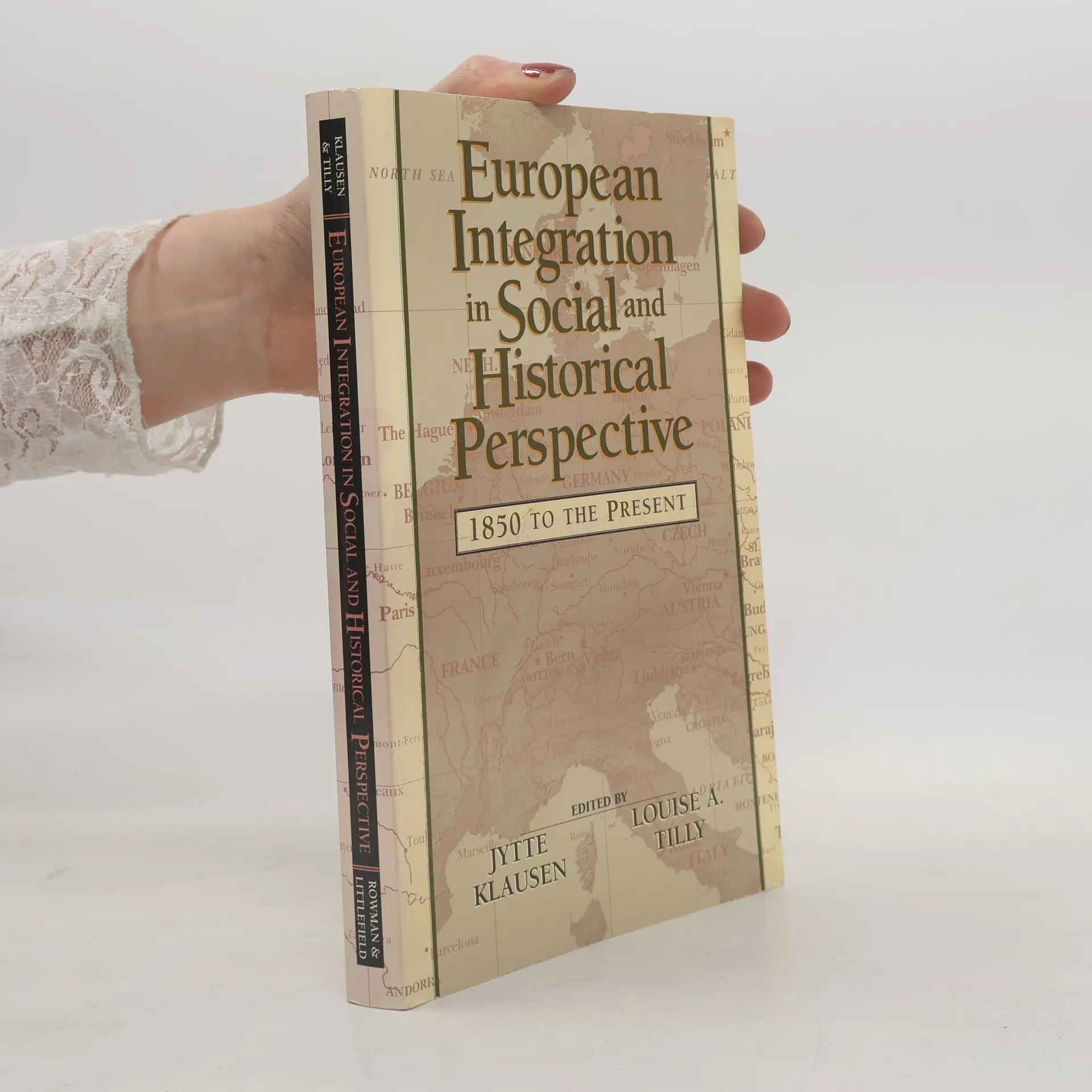
European Integration in Social and Historical Perspective, Michael Hanagan, Bernard Ebbinghaus, Jytte Klausen, Thomas Faist, Louise A Tilly
- Lingua

- Pubblicato
- 1997
- Rilegatura
- (In brossura),
- Condizioni del libro
- In buone condizioni
- Prezzo
- 4,39 €
Metodi di pagamento
Ancora nessuna valutazione.
- Titolo
- European Integration in Social and Historical Perspective
- Lingua
- Inglese
- Pubblicato
- 1997
- Formato
- In brossura
- Pagine
- 356
- ISBN10
- 0847685012
- ISBN13
- 9780847685011
- Serie
- Descrizione
- Exploring the social dimensions of state formation and European integration, a respected interdisciplinary group of European and North American scholars takes a novel approach to the historical processes of integration. Rather than being led by EU institutions and intergovernmental policy, the contributors argue that integration is primarily influenced by non-state actors: unions, businesspeople, elites, and immigrants. Exploring the historical roots of integration, they trace contemporary integration efforts back to nineteenth-century social action in response to capitalist development. As today, it was a time when internationalism_both that of workers and of capitalists_sustained international cooperation and attempts to define universal standards for welfare and a social dimension to economic development. The reemergence of an integrated Europe as an alternative to the system of states produced by the settlements of 1918 and 1945 has provided a new opening for internationalism. The contributors view this as a positive trend, especially as a counterbalance to intensifying conflicts over growth, the distribution of wealth, welfare, and global access to markets and jobs.