

Maggiori informazioni sul libro
This work explores the status of juvenile crime and delinquency across various European Union member states, as well as in the United States, Canada, Venezuela, and Surinam. It addresses key issues such as the victimization of youth, the impact of alcohol and drug use on juvenile crime, gang involvement, and the influences of family, school, and neighborhood environments. The book delves into differing perspectives on juvenile crime, defining what constitutes such behavior and identifying when it can be categorized as structural delinquency. Insights are derived from self-reported data collected from approximately 70,000 youths aged 12-15 across 28 countries, marking a significant application of self-report methodology on an international scale. The findings reveal new and surprising data regarding young individuals who consistently engage in criminal activities, the frequency of these behaviors, and the conditions influencing offending. This comprehensive collection of insights into juvenile delinquency will be invaluable to scholars, students, and practitioners alike, serving as a reference for those interested in understanding the complexities surrounding juvenile crime.
Acquisto del libro
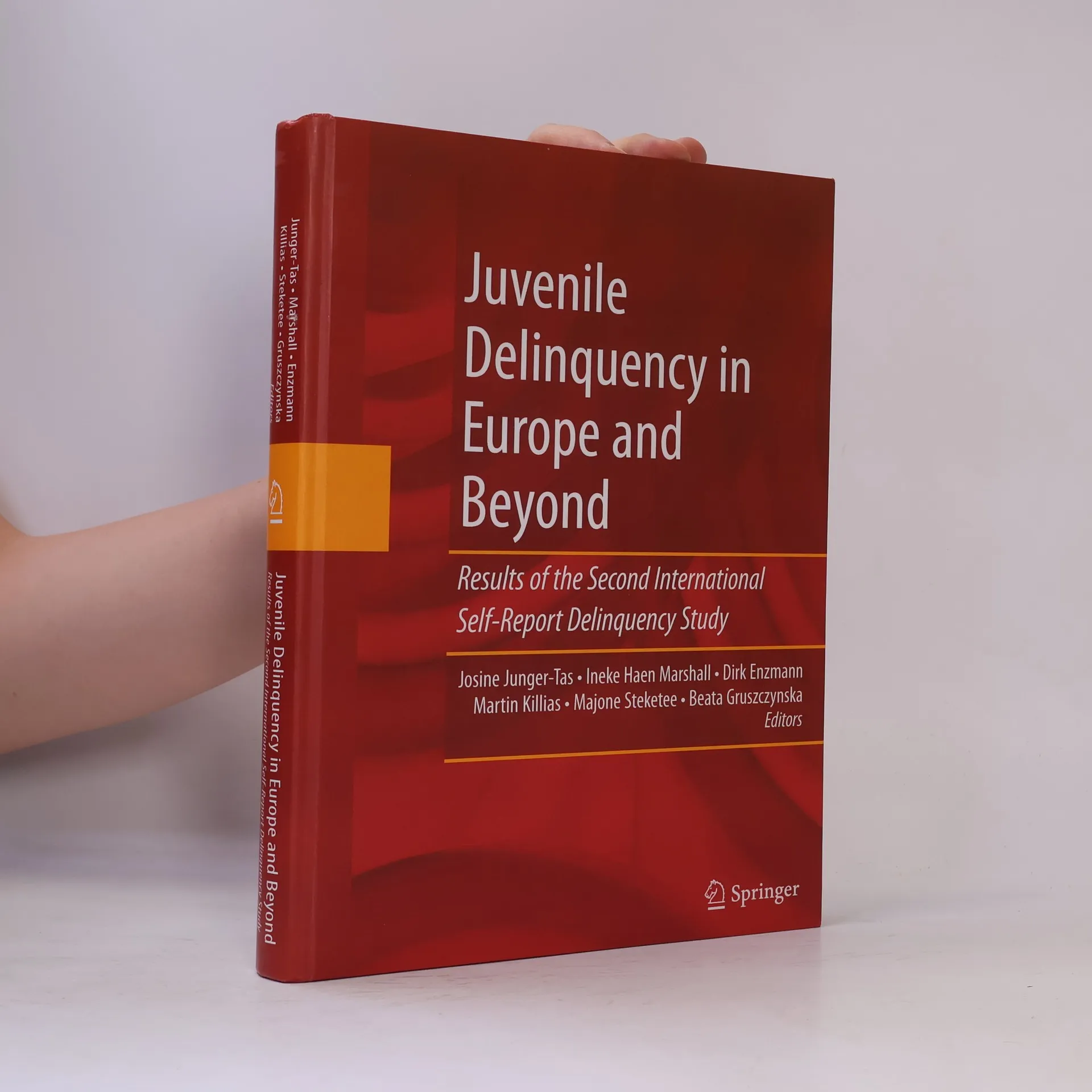
Juvenile Delinquency in Europe and Beyond, Josine Junger-Tas, Ineke Haen Marshall, Dirk Enzmann, Martin Killias, Majone Steketee, Beata Gruszczynska
- Lingua

- Pubblicato
- 2009
- Rilegatura
- (Copertina rigida)
Metodi di pagamento
Ancora nessuna valutazione.
- Titolo
- Juvenile Delinquency in Europe and Beyond
- Sottotitolo
- Results of the Second International Self-Report Delinquency Study
- Lingua
- Inglese
- Autori
- Josine Junger-Tas, Ineke Haen Marshall, Dirk Enzmann, Martin Killias, Majone Steketee, Beata Gruszczynska
- Editore
- Springer
- Pubblicato
- 2009
- Formato
- Copertina rigida
- Pagine
- 450
- ISBN10
- 0387959815
- ISBN13
- 9780387959818
- Serie
- Tag
- Tematica giuridica, Europa, Cultura e Società, Tossicodipendenza, Criminologia, Demografia, Criminalità giovanile
- Descrizione
- This work explores the status of juvenile crime and delinquency across various European Union member states, as well as in the United States, Canada, Venezuela, and Surinam. It addresses key issues such as the victimization of youth, the impact of alcohol and drug use on juvenile crime, gang involvement, and the influences of family, school, and neighborhood environments. The book delves into differing perspectives on juvenile crime, defining what constitutes such behavior and identifying when it can be categorized as structural delinquency. Insights are derived from self-reported data collected from approximately 70,000 youths aged 12-15 across 28 countries, marking a significant application of self-report methodology on an international scale. The findings reveal new and surprising data regarding young individuals who consistently engage in criminal activities, the frequency of these behaviors, and the conditions influencing offending. This comprehensive collection of insights into juvenile delinquency will be invaluable to scholars, students, and practitioners alike, serving as a reference for those interested in understanding the complexities surrounding juvenile crime.