


Maggiori informazioni sul libro
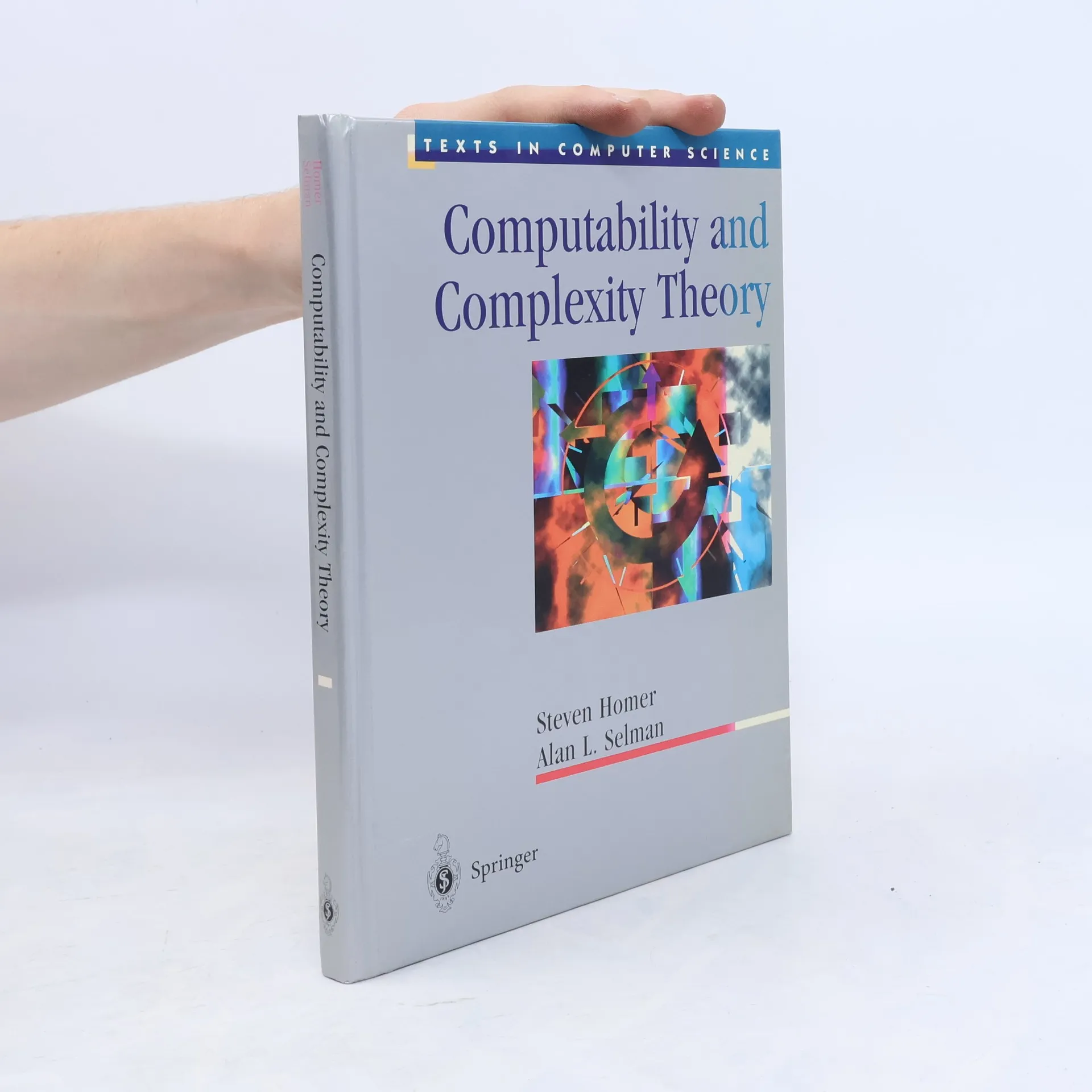
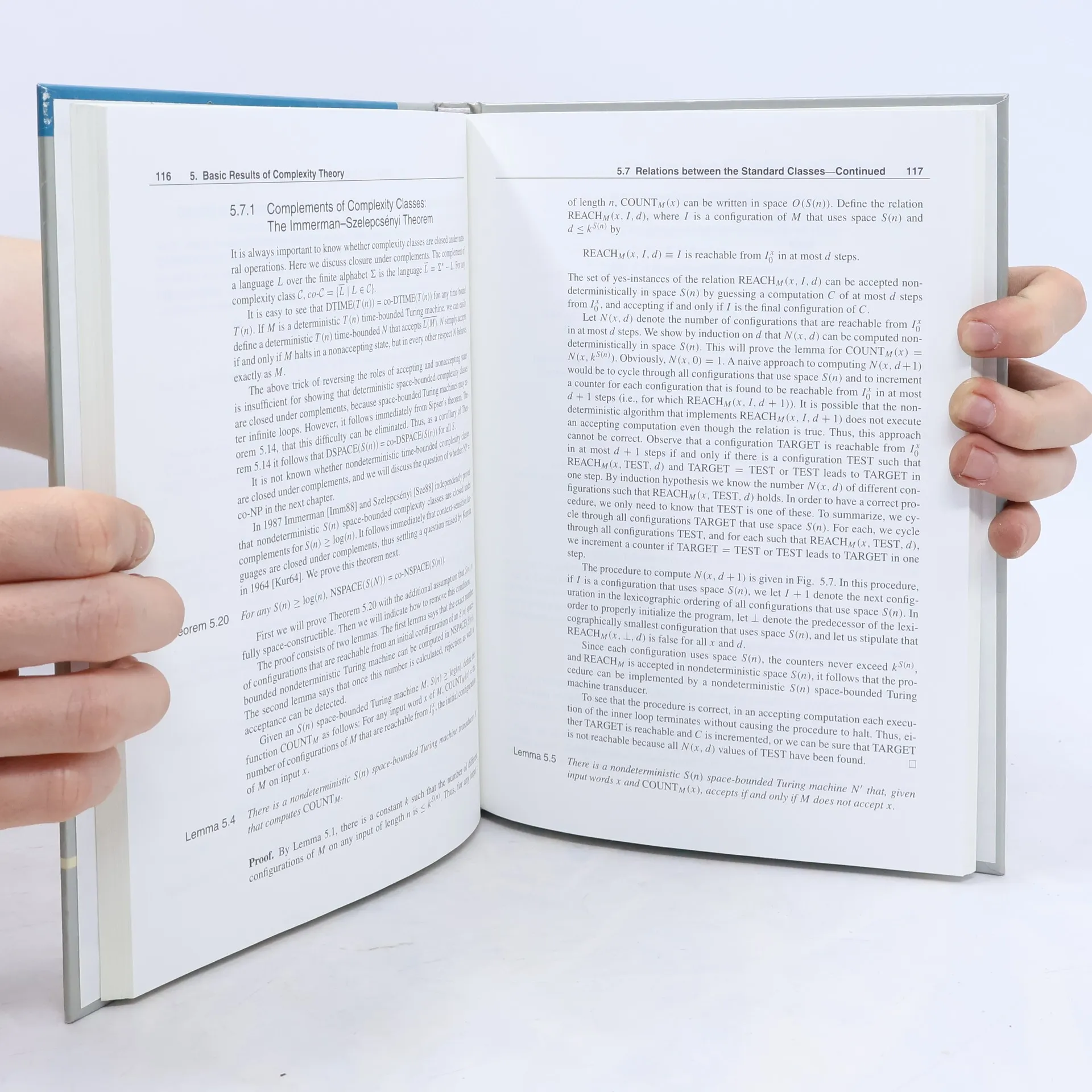
This volume presents essential materials in the theory of computation, structured to be self-contained. It begins with a chapter on key mathematical concepts and notations, then progresses from qualitative aspects of classical computability to the quantitative dimensions of complexity theory. Dedicated chapters explore undecidability, NP-completeness, and relative computability, emphasizing the limitations of computability and the distinction between feasible and intractable problems. Key topics include fundamental concepts in modern complexity theory, such as NP-completeness, NP-hardness, the polynomial hierarchy, and complete problems across complexity classes. The book consolidates information typically found only in research literature, simplifying complex topics like complements of complexity classes, search problems, and intermediate problems in NP. It also provides essential mathematical background, covering logic, number theory, and algebra. Numerous exercises and supplementary problems are included to reinforce learning and support self-study. With its accessible format and logical organization, this text serves as an excellent resource for those seeking a solid foundation in computing theory. It is particularly valuable for beginning graduates, advanced undergraduates, and professionals in theoretical computer science, complexity theory, and computability.
Acquisto del libro
Texts in Computer Science: Computability and Complexity Theory, Steven Homer, Alan L. Selman
- Lingua

- Pubblicato
- 2001
- Rilegatura
- (Copertina rigida)
Metodi di pagamento
Ancora nessuna valutazione.
- Titolo
- Texts in Computer Science: Computability and Complexity Theory
- Lingua
- Inglese
- Autori
- Steven Homer, Alan L. Selman
- Editore
- Springer
- Pubblicato
- 2001
- Formato
- Copertina rigida
- Pagine
- 194
- ISBN10
- 0387950559
- ISBN13
- 9780387950556
- Serie
- Descrizione
- This volume presents essential materials in the theory of computation, structured to be self-contained. It begins with a chapter on key mathematical concepts and notations, then progresses from qualitative aspects of classical computability to the quantitative dimensions of complexity theory. Dedicated chapters explore undecidability, NP-completeness, and relative computability, emphasizing the limitations of computability and the distinction between feasible and intractable problems. Key topics include fundamental concepts in modern complexity theory, such as NP-completeness, NP-hardness, the polynomial hierarchy, and complete problems across complexity classes. The book consolidates information typically found only in research literature, simplifying complex topics like complements of complexity classes, search problems, and intermediate problems in NP. It also provides essential mathematical background, covering logic, number theory, and algebra. Numerous exercises and supplementary problems are included to reinforce learning and support self-study. With its accessible format and logical organization, this text serves as an excellent resource for those seeking a solid foundation in computing theory. It is particularly valuable for beginning graduates, advanced undergraduates, and professionals in theoretical computer science, complexity theory, and computability.