

Parametri
- 608pagine
- 22 ore di lettura
Maggiori informazioni sul libro
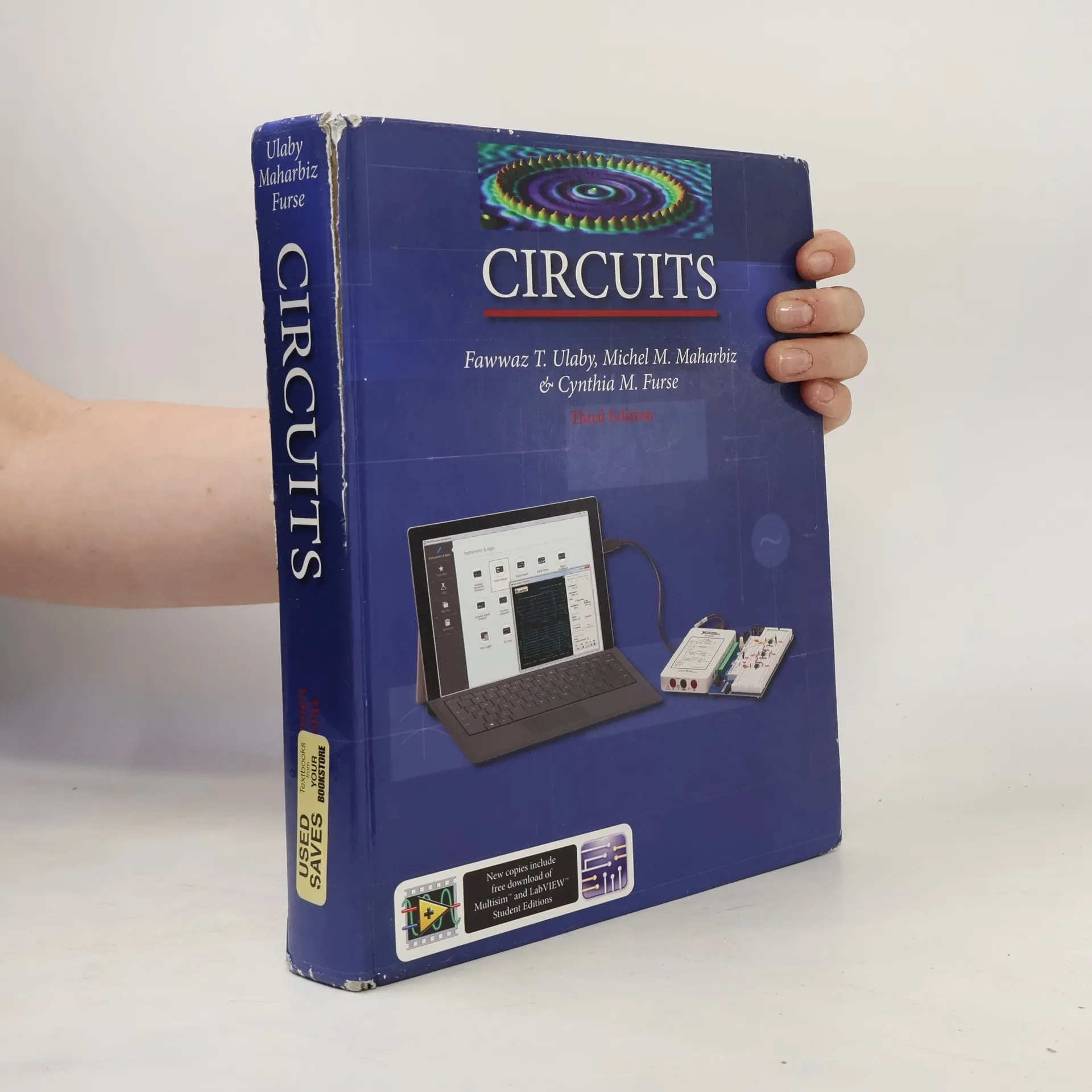
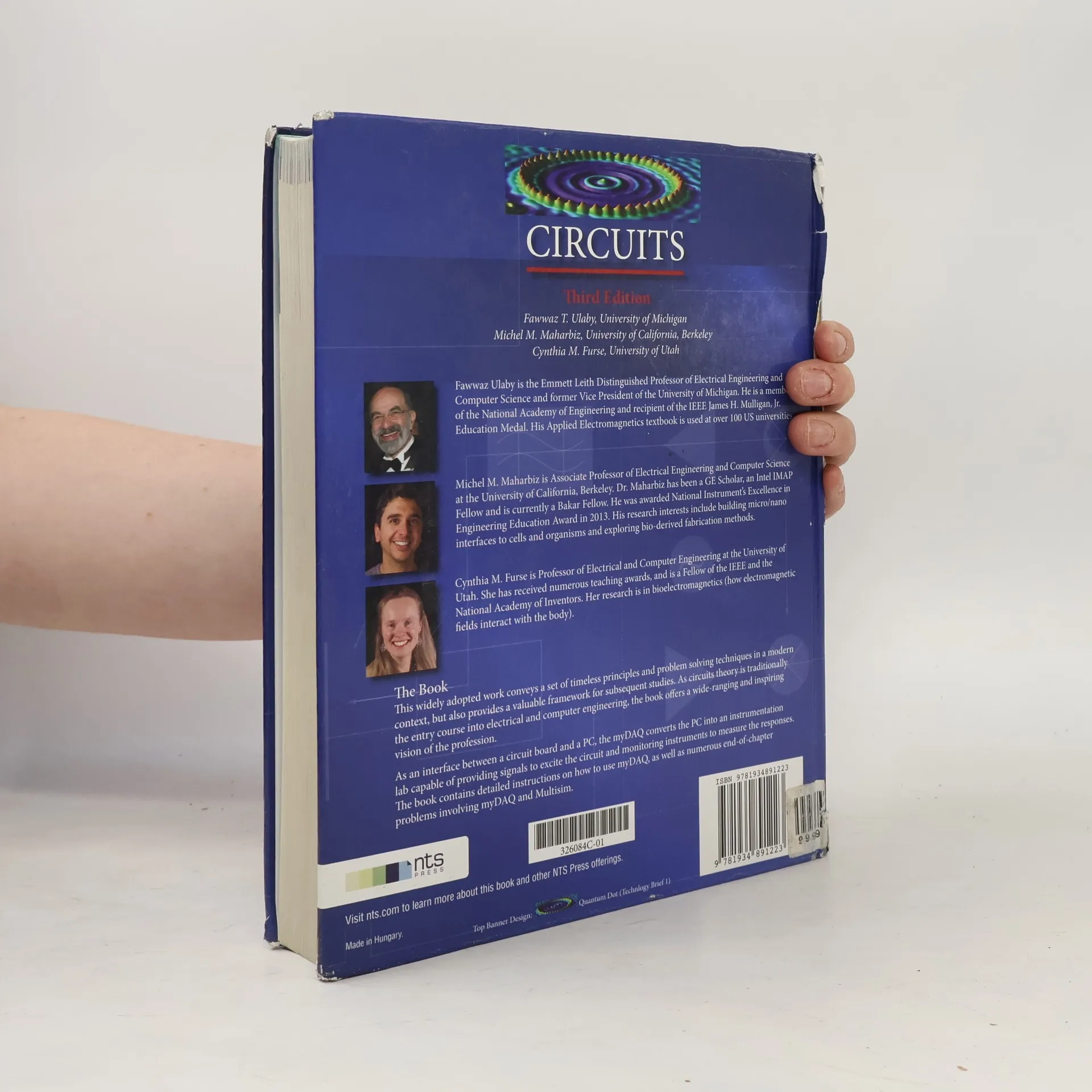
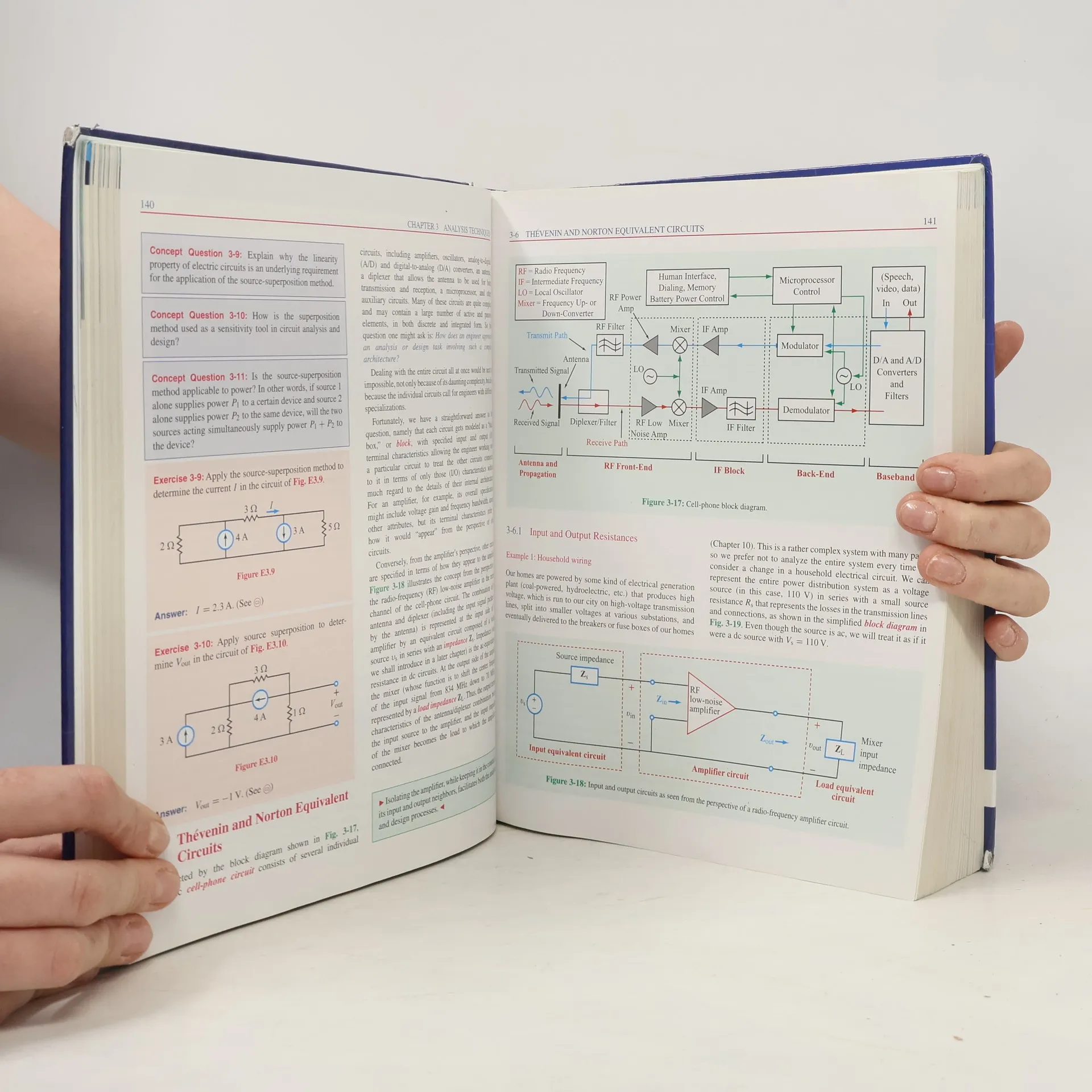
This widely adopted work presents timeless principles and problem-solving techniques in a modern context, providing a valuable framework for further studies. As circuits theory serves as the entry course into electrical and computer engineering, it offers an inspiring vision of the profession, assuming a background in physics and basic calculus. Highlights of the third edition include ten new Technology Briefs, totaling 32, which illustrate real-world applications of concepts in circuits, medicine, optics, and more. The RLC circuits content has been divided into two chapters, focusing on time domain analysis and the Laplace Transform respectively. The integration of NI myDAQ allows students to transform a PC into a basic electrical engineering lab, featuring a range of tools like a DVM, power supplies, and an oscilloscope. The book includes 53 integrative end-of-chapter problems, encouraging students to solve circuit problems analytically, simulate them with Multisim, and physically build circuits using NI myDAQ. A student tutorial in Appendix F assists with getting started with this tool. Additionally, a textbook bundle including NI myDAQ hardware is available for students in the U.S. and Canada. The edition features new problems, examples, and enhancements throughout.
Acquisto del libro
Circuits, Fawwaz Tayssir Ulaby, Michel M. Maharbiz, Cynthia M. Furse
- Lingua

- Pubblicato
- 2009
- product-detail.submit-box.info.binding
- (Copertina rigida),
- Condizioni del libro
- Danneggiato
- Prezzo
- 11,74 €
Metodi di pagamento
Ancora nessuna valutazione.
- Titolo
- Circuits
- Sottotitolo
- Third Edition
- Lingua
- Inglese
- Pubblicato
- 2009
- Formato
- Copertina rigida
- Pagine
- 608
- ISBN10
- 1934891223
- ISBN13
- 9781934891223
- Serie
- Tag
- Libri di testo, Tecnologia & Ingegneria, Scienza e Matematica, Computer & Internet, Ingegneria Meccanica
- Descrizione
- This widely adopted work presents timeless principles and problem-solving techniques in a modern context, providing a valuable framework for further studies. As circuits theory serves as the entry course into electrical and computer engineering, it offers an inspiring vision of the profession, assuming a background in physics and basic calculus. Highlights of the third edition include ten new Technology Briefs, totaling 32, which illustrate real-world applications of concepts in circuits, medicine, optics, and more. The RLC circuits content has been divided into two chapters, focusing on time domain analysis and the Laplace Transform respectively. The integration of NI myDAQ allows students to transform a PC into a basic electrical engineering lab, featuring a range of tools like a DVM, power supplies, and an oscilloscope. The book includes 53 integrative end-of-chapter problems, encouraging students to solve circuit problems analytically, simulate them with Multisim, and physically build circuits using NI myDAQ. A student tutorial in Appendix F assists with getting started with this tool. Additionally, a textbook bundle including NI myDAQ hardware is available for students in the U.S. and Canada. The edition features new problems, examples, and enhancements throughout.