

Maggiori informazioni sul libro
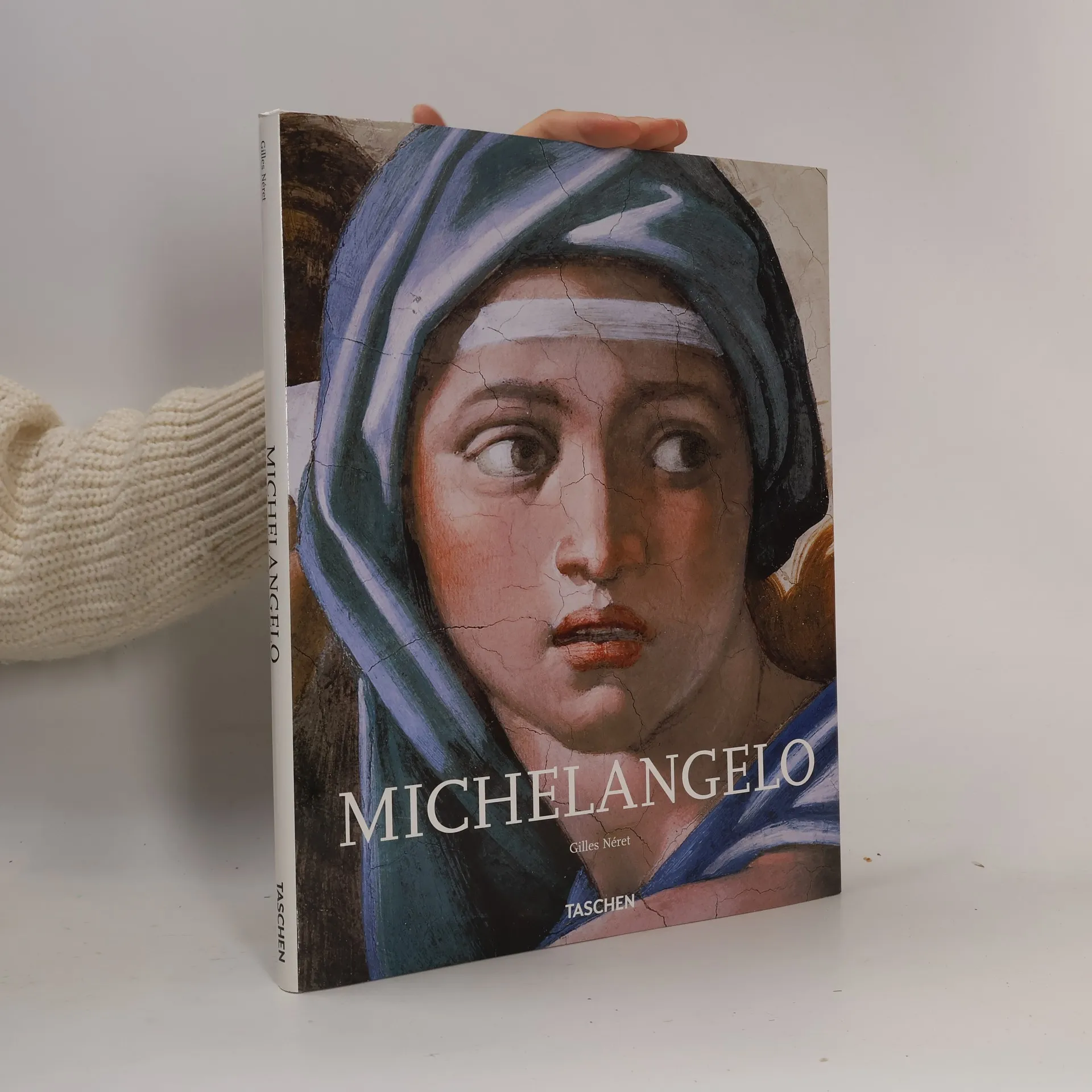
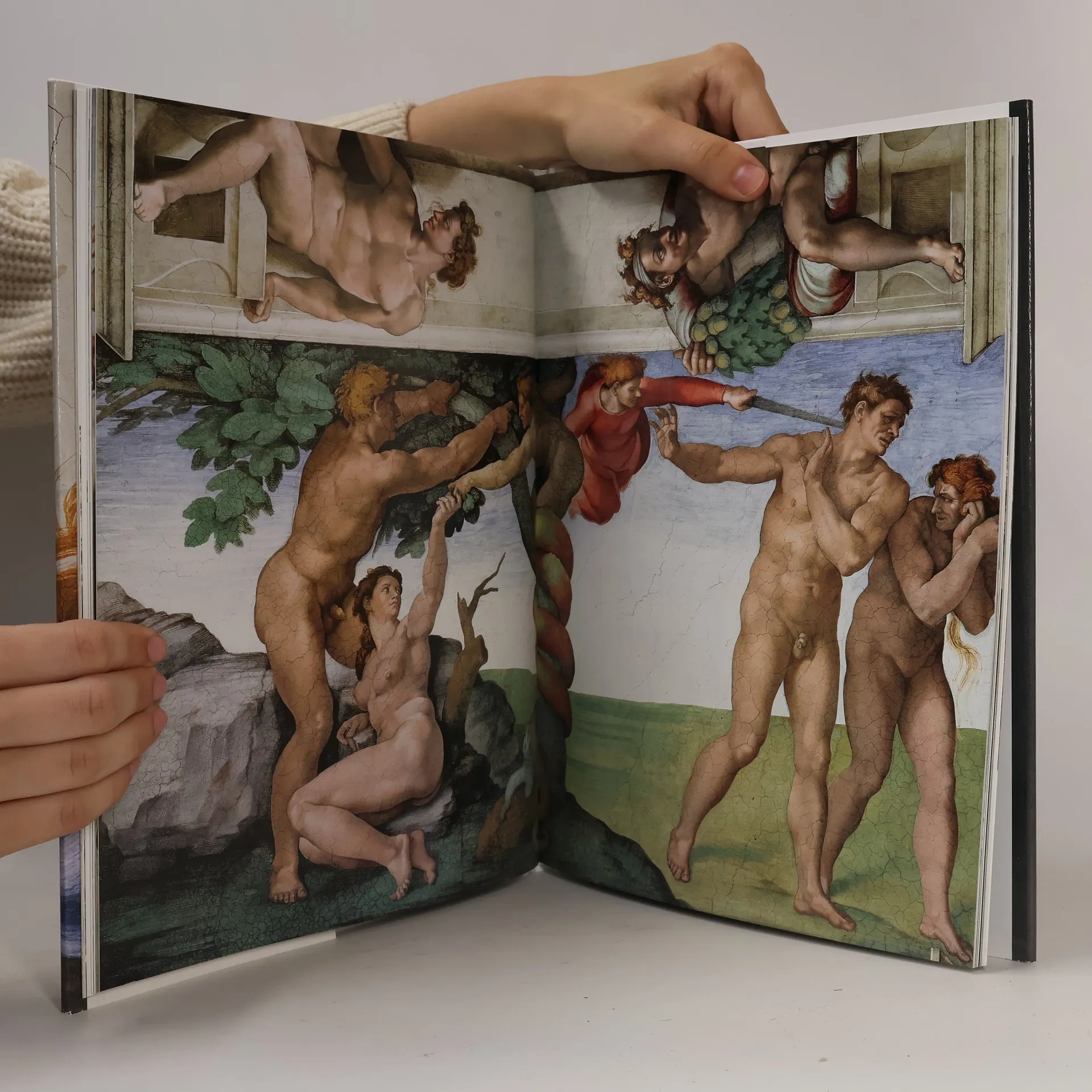
<b>Michelangelo between earthly passions and fear of God</b> <b>During the Renaissance, several great homosexual artists—from </b><b>Leonardo da Vinci and Botticelli to Michelangelo and Raphael—transformed the history of art</b>, striving for ever closer imitation of nature while shaping it to their tastes. In their art ambiguous beings were born, half man, half woman; female breasts were planted on male busts and a young man's gaze peeped out beneath the eyelids of a Madonna. <b> From his earliest youth </b><b>Michelangelo transformed personal torment into exquisite creativity</b>—attempting to reconcile the apparently conflicting forces that inhabited him: <b>his earthly passions and his fear of God</b>. Hence the peerless monuments to beauty, celestial and infernal alike, that Michelangelo raised to the glory of God. His predecessors aspired to Heaven through faith alone; Michelangelo sought absolution through the contemplative exaltation of beauty—even on the ceiling of a papal chapel: the Sistine. This exposed him to a chorus of derision from prudish critics, who accused him of exhibiting paganism in a place of religion, and who clothed his immodest Titans in painted "breeches". <b>It was Michelangelo's curse to remain a colossus outside and apart from his time</b>. It is the birthright of the comet to inspire fear and awe in the spectator; but the spectacle of such glory can sear the tender eye. <b> </b>
Acquisto del libro
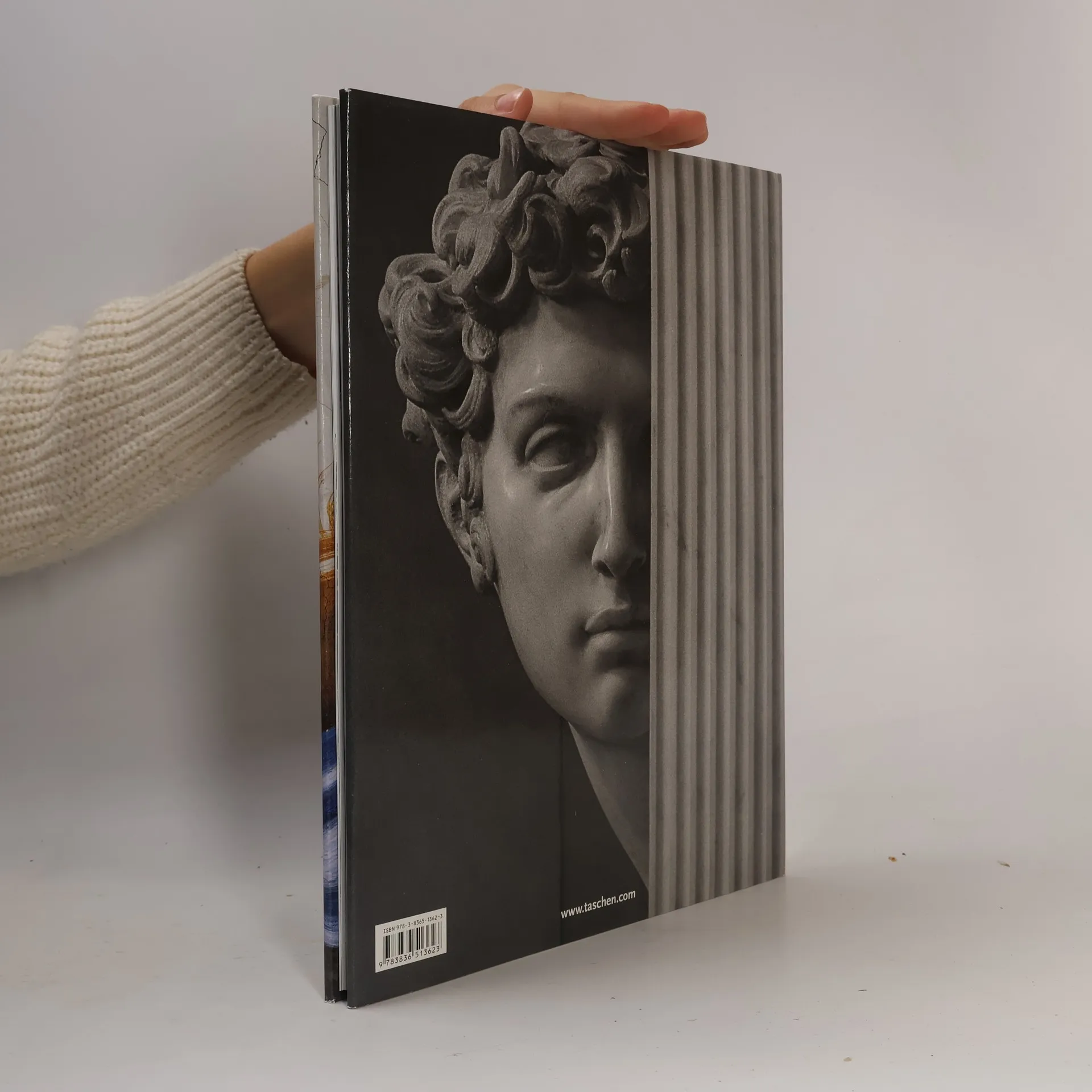
Michelangelo, Gilles Néret
- Lingua

- Pubblicato
- 2010
- product-detail.submit-box.info.binding
- (Copertina rigida),
- Condizioni del libro
- In buone condizioni
- Prezzo
- 14,99 €
Metodi di pagamento
Ancora nessuna valutazione.
- Titolo
- Michelangelo
- Lingua
- Inglese
- Autori
- Gilles Néret
- Editore
- Taschen
- Pubblicato
- 2010
- Formato
- Copertina rigida
- Pagine
- 96
- ISBN10
- 3836513625
- ISBN13
- 9783836513623
- Serie
- Descrizione
- <b>Michelangelo between earthly passions and fear of God</b> <b>During the Renaissance, several great homosexual artists—from </b><b>Leonardo da Vinci and Botticelli to Michelangelo and Raphael—transformed the history of art</b>, striving for ever closer imitation of nature while shaping it to their tastes. In their art ambiguous beings were born, half man, half woman; female breasts were planted on male busts and a young man's gaze peeped out beneath the eyelids of a Madonna. <b> From his earliest youth </b><b>Michelangelo transformed personal torment into exquisite creativity</b>—attempting to reconcile the apparently conflicting forces that inhabited him: <b>his earthly passions and his fear of God</b>. Hence the peerless monuments to beauty, celestial and infernal alike, that Michelangelo raised to the glory of God. His predecessors aspired to Heaven through faith alone; Michelangelo sought absolution through the contemplative exaltation of beauty—even on the ceiling of a papal chapel: the Sistine. This exposed him to a chorus of derision from prudish critics, who accused him of exhibiting paganism in a place of religion, and who clothed his immodest Titans in painted "breeches". <b>It was Michelangelo's curse to remain a colossus outside and apart from his time</b>. It is the birthright of the comet to inspire fear and awe in the spectator; but the spectacle of such glory can sear the tender eye. <b> </b>