


Maggiori informazioni sul libro
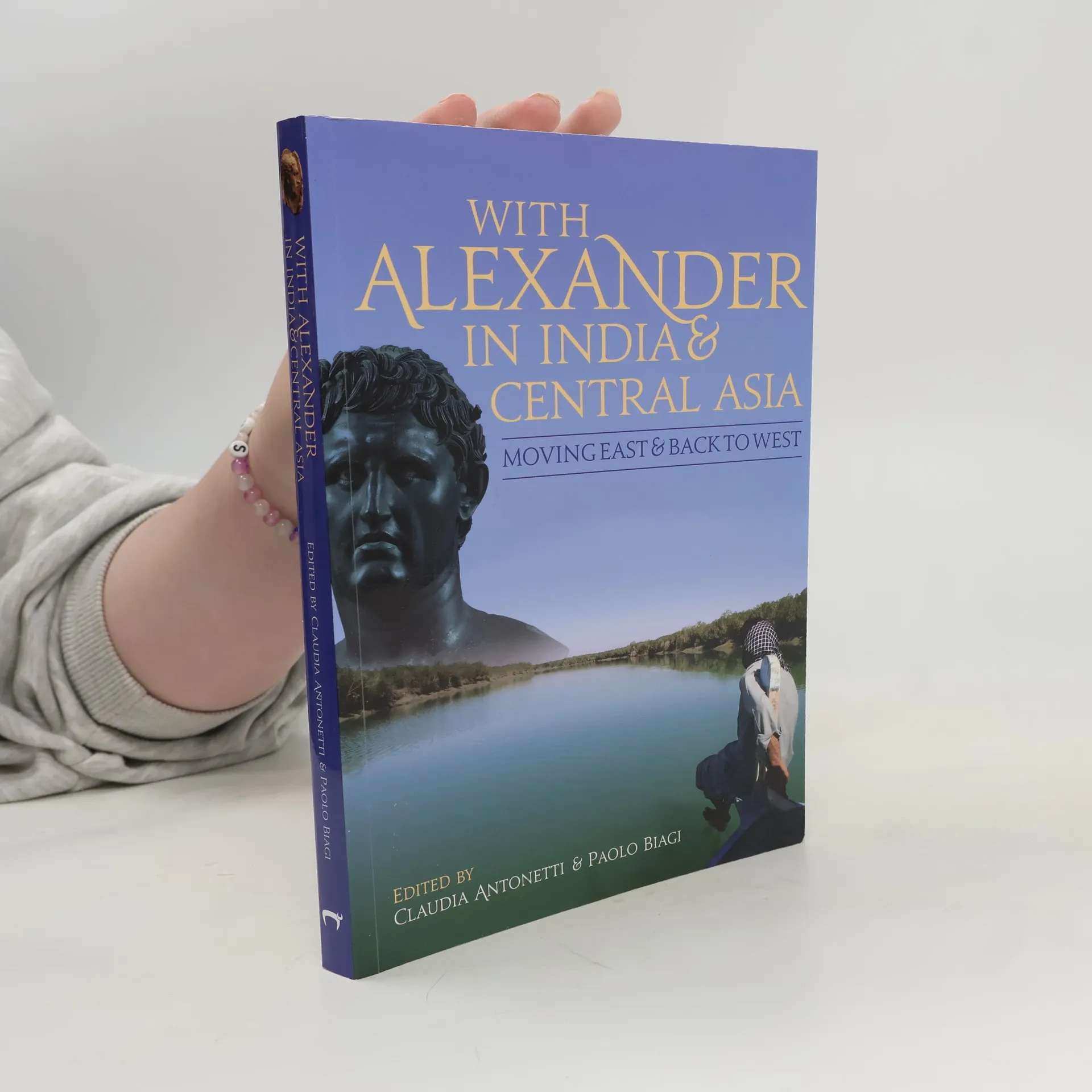
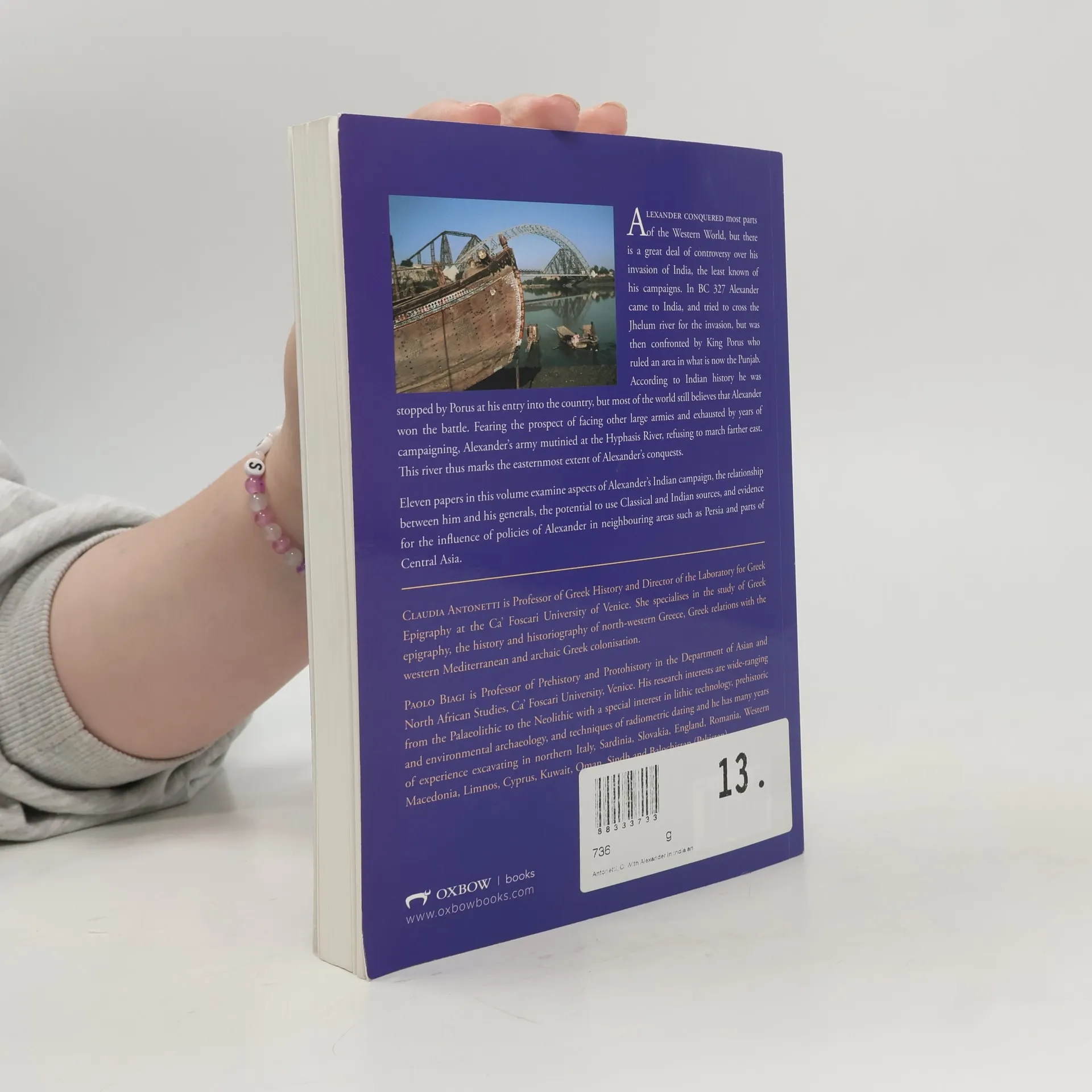
Alexander conquered most parts of the Western World, but there is a great deal of controversy over his invasion of India, the least known of his campaigns. In BC 327 Alexander came to India, and tried to cross the Jhelum river for the invasion, but was then confronted by King Porus who ruled an area in what is now the Punjab. According to Indian history he was stopped by Porus at his entry into the country, but most of the world still believes that Alexander won the battle. Fearing the prospect of facing other large armies and exhausted by years of campaigning, Alexander's army mutinied at the Hyphasis River, refusing to march farther east. This river thus marks the easternmost extent of Alexander's conquests. Twelve papers in this volume examine aspects of Alexander's Indian campaign, the relationship between him and his generals, the potential to use Indian sources, and evidence for the influence of policies of Alexander in neighbouring areas such as Iran and Russia.
Acquisto del libro
With Alexander in India and Central Asia, Claudia Antonetti, Paolo Biagi
- Lingua

- Pubblicato
- 2017
- Rilegatura
- (In brossura),
- Condizioni del libro
- In buone condizioni
- Prezzo
- 10,49 €
Metodi di pagamento
Ancora nessuna valutazione.
- Titolo
- With Alexander in India and Central Asia
- Sottotitolo
- Moving East and Back to West
- Lingua
- Inglese
- Autori
- Claudia Antonetti, Paolo Biagi
- Editore
- Oxbow Books
- Pubblicato
- 2017
- Formato
- In brossura
- Pagine
- 304
- ISBN10
- 1785705849
- ISBN13
- 9781785705847
- Serie
- Tag
- Tema stórico, Tempi antichi, Asia, Indie, Grecia, Asia centrale, Alessandro Magno, Macedonia, Epigrafia, Relazioni culturali
- Descrizione
- Alexander conquered most parts of the Western World, but there is a great deal of controversy over his invasion of India, the least known of his campaigns. In BC 327 Alexander came to India, and tried to cross the Jhelum river for the invasion, but was then confronted by King Porus who ruled an area in what is now the Punjab. According to Indian history he was stopped by Porus at his entry into the country, but most of the world still believes that Alexander won the battle. Fearing the prospect of facing other large armies and exhausted by years of campaigning, Alexander's army mutinied at the Hyphasis River, refusing to march farther east. This river thus marks the easternmost extent of Alexander's conquests. Twelve papers in this volume examine aspects of Alexander's Indian campaign, the relationship between him and his generals, the potential to use Indian sources, and evidence for the influence of policies of Alexander in neighbouring areas such as Iran and Russia.