

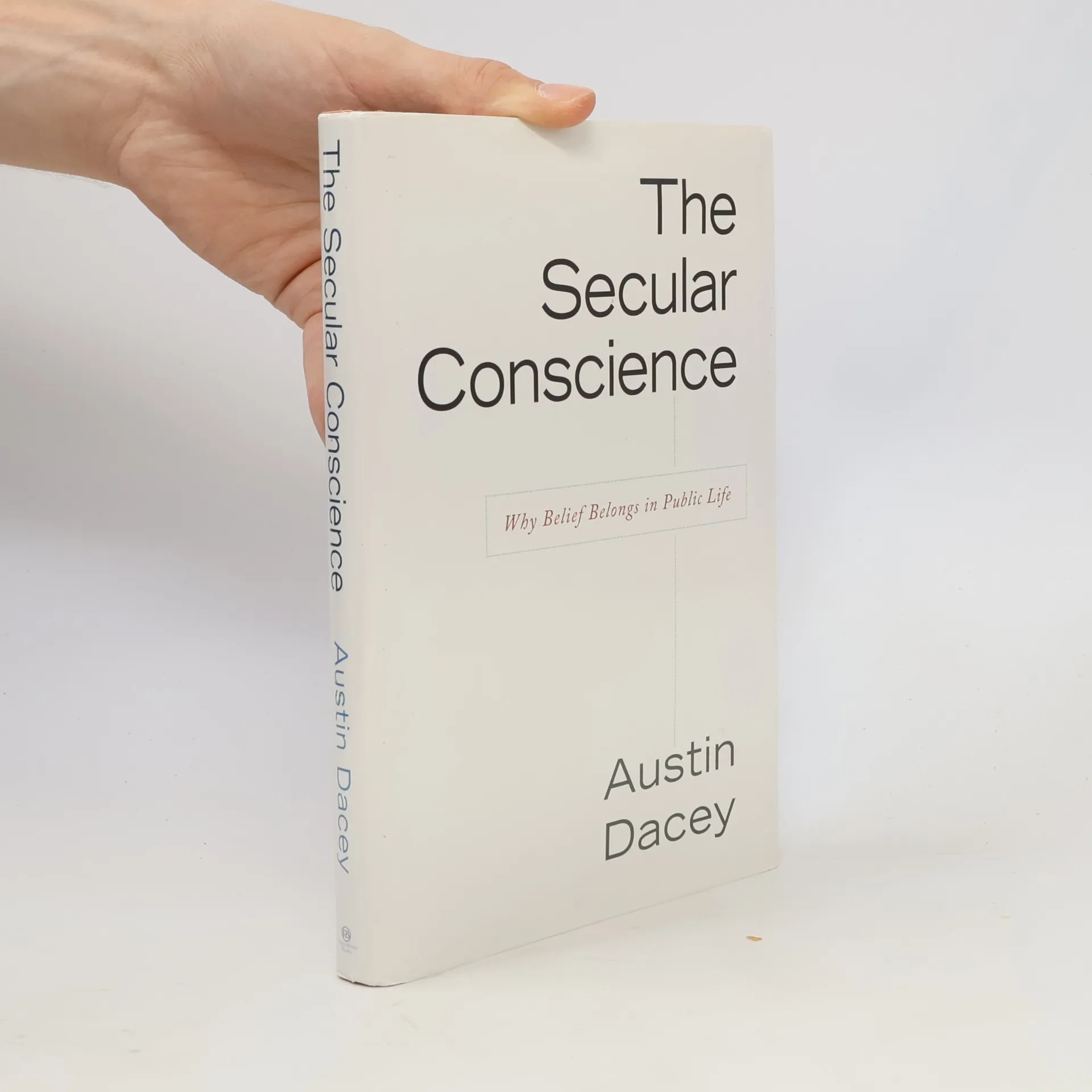


Parametri
- 269pagine
- 10 ore di lettura
Maggiori informazioni sul libro
From Washington to the Vatican to Tehran, religion is a public matter as never before, and secular values ― individual autonomy, pluralism, separation of religion and state, and freedom of conscience ― are attacked on all sides and defended by few. The godly claim a monopoly on the language of morality, while secular liberals stand accused of standing for nothing.Secular liberals did not lose their moral they gave it away. For generations, too many have insisted that questions of conscience ― religion, ethics, and values ― are "private matters" that have no place in public debate. Ironically, this ideology hinders them from subjecting religion to due scrutiny when it encroaches on individual rights and from unabashedly advocating their own moral vision in politics for fear of "imposing" their beliefs on others.In his incisive new book, philosopher Austin Dacey calls for a bold rethinking of the nature of conscience and its role in public life. Inspired by an earlier liberal tradition that he traces to Spinoza and John Stuart Mill, Dacey urges liberals to lift their self-imposed gag order and defend a renewed secularism based on the objective moral value of conscience.Dacey compares conscience to the press in an open it is protected from coercion and control, not because it is private, but because it has a vital role in the public sphere. It is free, but not liberated from shared standards of truth and right. It must come before any and all faiths, for it is what tells us whether or not to believe. In this way, conscience supplies a shared vocabulary for meaningful dialogue in a diverse society, and an ethical lingua franca in which to address the world.
Acquisto del libro
The Secular Conscience, Austin Dacey
- Lingua

- Pubblicato
- 2008
- product-detail.submit-box.info.binding
- (Copertina rigida),
- Condizioni del libro
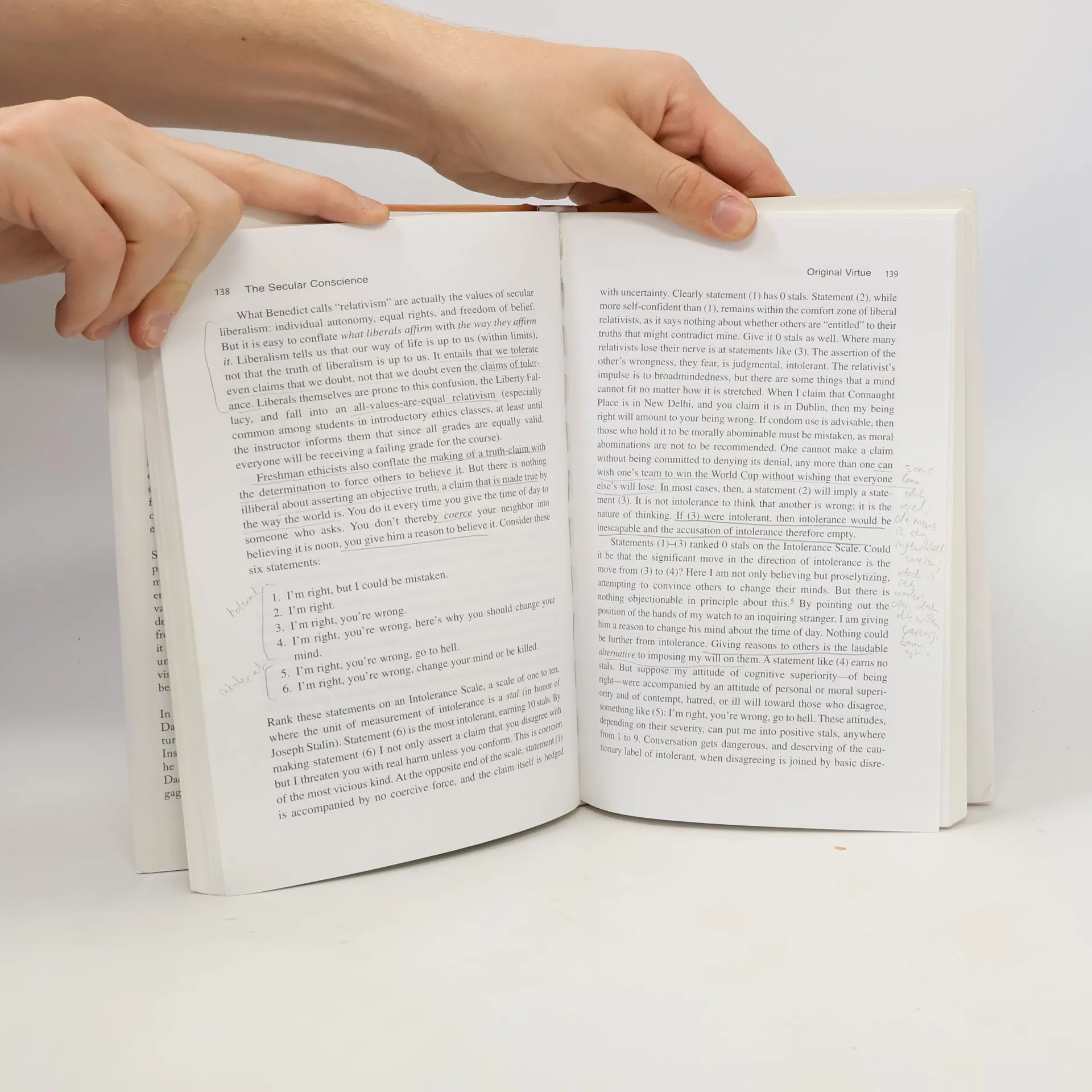
- Danneggiato
- Prezzo
- 12,19 €
Metodi di pagamento
Ancora nessuna valutazione.
- Titolo
- The Secular Conscience
- Sottotitolo
- Why Belief Belongs in Public Life
- Lingua
- Inglese
- Autori
- Austin Dacey
- Editore
- Prometheus Books
- Pubblicato
- 2008
- Formato
- Copertina rigida
- Pagine
- 269
- ISBN10
- 1591026040
- ISBN13
- 9781591026044
- Serie
- Tag
- Saggistica, Auto-aiuto, Temi psicologici, Temi religiosi, Tematica filosofica, Religione, Tematica giuridica, Manuali e guide, Filosofia, Spiritualità e Religione, Politica, Temi cristiani, Economia, Giornalismo d’opinione & Saggi, Scuola, Educazione, istruzione, Sociologia, Teologia, Società, Femminismo, Fede, Bibbia, Storia degli Stati Uniti, Teorie Politiche, Cultura, Ispirazione, Islam, Giudaismo, Etica, Giustizia sociale, Terrorismo, Democrazia, Diritti Umani, Antico Testamento, Capitalismo, Giustizia, Pace, Filosofia politica, Ateismo, Umanesimo, Conservatorismo, Apologetica, Studio della Bibbia, Agnosticismo
- Descrizione
- From Washington to the Vatican to Tehran, religion is a public matter as never before, and secular values ― individual autonomy, pluralism, separation of religion and state, and freedom of conscience ― are attacked on all sides and defended by few. The godly claim a monopoly on the language of morality, while secular liberals stand accused of standing for nothing.Secular liberals did not lose their moral they gave it away. For generations, too many have insisted that questions of conscience ― religion, ethics, and values ― are "private matters" that have no place in public debate. Ironically, this ideology hinders them from subjecting religion to due scrutiny when it encroaches on individual rights and from unabashedly advocating their own moral vision in politics for fear of "imposing" their beliefs on others.In his incisive new book, philosopher Austin Dacey calls for a bold rethinking of the nature of conscience and its role in public life. Inspired by an earlier liberal tradition that he traces to Spinoza and John Stuart Mill, Dacey urges liberals to lift their self-imposed gag order and defend a renewed secularism based on the objective moral value of conscience.Dacey compares conscience to the press in an open it is protected from coercion and control, not because it is private, but because it has a vital role in the public sphere. It is free, but not liberated from shared standards of truth and right. It must come before any and all faiths, for it is what tells us whether or not to believe. In this way, conscience supplies a shared vocabulary for meaningful dialogue in a diverse society, and an ethical lingua franca in which to address the world.