


Maggiori informazioni sul libro
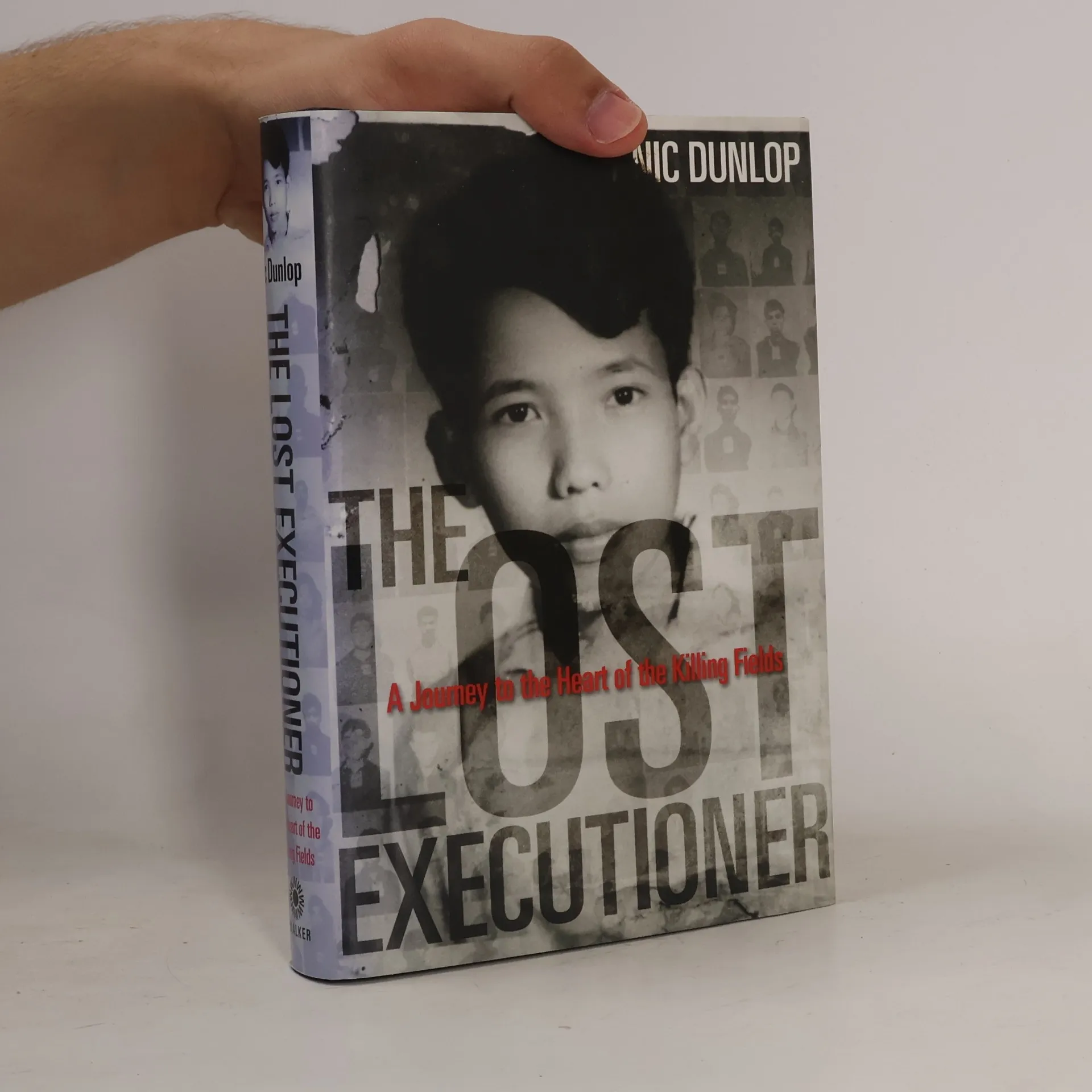
Between 1975 and 1979, the Khmer Rouge regime in Cambodia resulted in the deaths of approximately two million people, yet two decades later, no one had been held accountable for this genocide. Photographer Nic Dunlop, haunted by an image of Comrade Duch, sought to understand how a movement claiming to create a better world could lead to such brutal violence. Dunlop explores the history of Cambodia to reveal the complexities of Duch's transformation from a sensitive schoolchild and teacher to one of the twentieth century's most notorious mass murderers. He highlights the shared responsibility of the United States, whose failed political alliances and illegal bombings contributed to the ensuing bloodshed. Through the perspectives of witnesses, Dunlop intricately details Duch's journey and the broader context of Cambodia's tragic past. His encounters range from the ancient temples of Angkor to the prisons of Pol Pot's regime, culminating in a surprising meeting with Duch himself. This work serves as a poignant blend of history and personal testimony, reminding us that turning a blind eye to genocide carries a weight of collective guilt, whether in Cambodia or elsewhere.


Acquisto del libro
The Lost Executioner, Nic Dunlop
- Lingua

- Pubblicato
- 2006
- product-detail.submit-box.info.binding
- (Copertina rigida),
- Condizioni del libro
- In ottime condizioni
- Prezzo
- 6,99 €
Metodi di pagamento
Ancora nessuna valutazione.
- Titolo
- The Lost Executioner
- Sottotitolo
- A Story of the Khmer Rouge
- Lingua
- Inglese
- Autori
- Nic Dunlop
- Editore
- Walker Books
- Pubblicato
- 2006
- Formato
- Copertina rigida
- Pagine
- 326
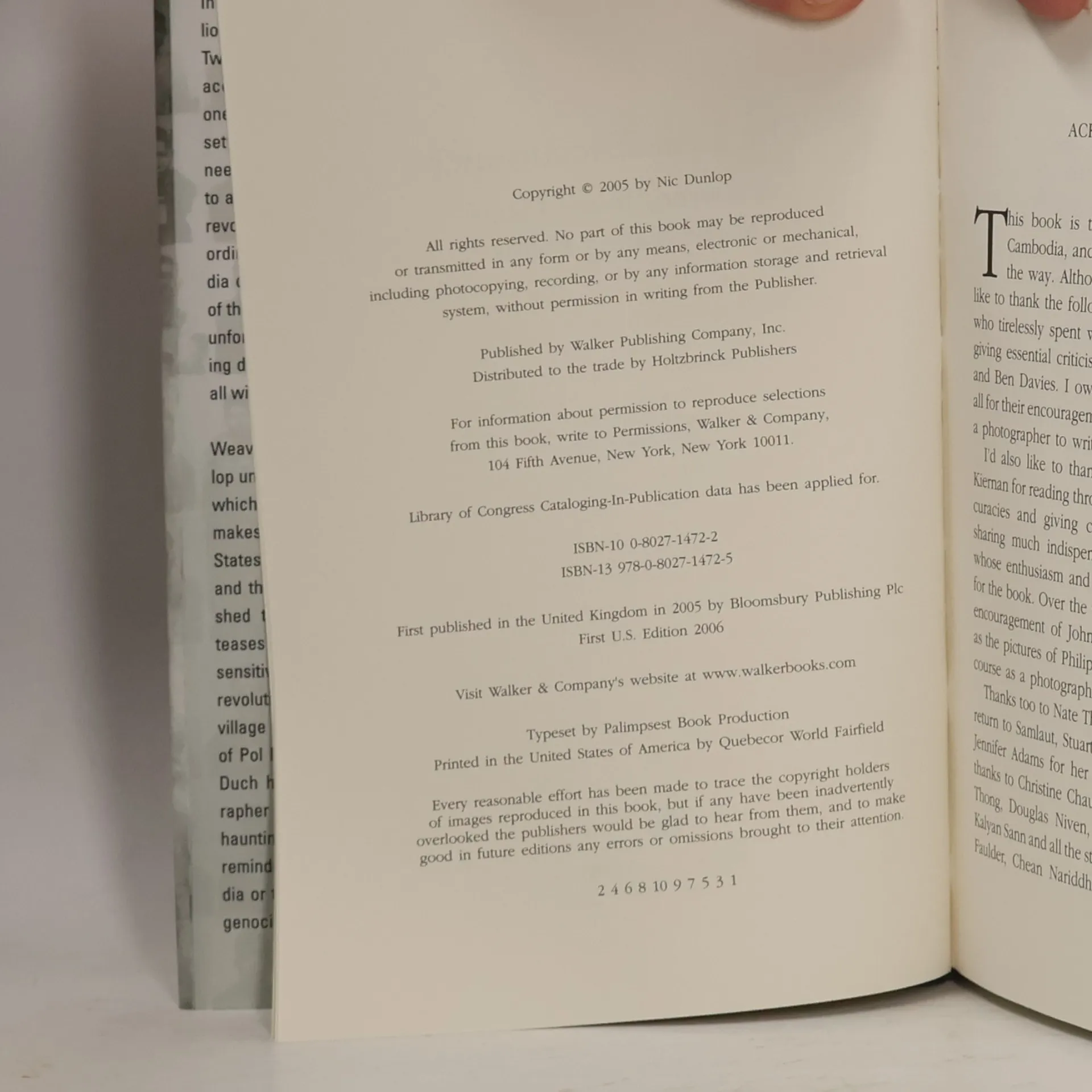
- ISBN10
- 0802714722
- ISBN13
- 9780802714725
- Serie
- Tag
- Saggistica, Tema stórico, Politica, USA, Guerre, Biografie, Asia, Comunismo, Cambogia
- Descrizione
- Between 1975 and 1979, the Khmer Rouge regime in Cambodia resulted in the deaths of approximately two million people, yet two decades later, no one had been held accountable for this genocide. Photographer Nic Dunlop, haunted by an image of Comrade Duch, sought to understand how a movement claiming to create a better world could lead to such brutal violence. Dunlop explores the history of Cambodia to reveal the complexities of Duch's transformation from a sensitive schoolchild and teacher to one of the twentieth century's most notorious mass murderers. He highlights the shared responsibility of the United States, whose failed political alliances and illegal bombings contributed to the ensuing bloodshed. Through the perspectives of witnesses, Dunlop intricately details Duch's journey and the broader context of Cambodia's tragic past. His encounters range from the ancient temples of Angkor to the prisons of Pol Pot's regime, culminating in a surprising meeting with Duch himself. This work serves as a poignant blend of history and personal testimony, reminding us that turning a blind eye to genocide carries a weight of collective guilt, whether in Cambodia or elsewhere.