




Parametri
- 115pagine
- 5 ore di lettura
Maggiori informazioni sul libro
Hopes for a new peaceful international order after the end of the Cold War have been dashed by sobering Great powers are once again competing for honor and influence. Nation-states remain as strong as ever, as do the old, explosive forces of ambitious nationalism. The world remains “unipolar,” but international competition among the United States, Russia, China, Europe, Japan, India, and Iran raise new threats of regional conflict. Communism is dead, but a new contest between western liberalism and the great eastern autocracies of Russia and China has reinjected ideology into geopolitics. Finally, radical Islamists are waging a violent struggle against the modern secular cultures and powers that, in their view, have dominated, penetrated, and polluted their Islamic world. The grand expectation that after the Cold War the world would enter an era of international geopolitical convergence has proven wrong.For the past few years, the liberal world has been internally divided and distracted by issues both profound and petty. Now, in The Return of History and the End of Dreams , Robert Kagan masterfully poses the most important questions facing the liberal democratic countries, challenging them to choose whether they want to shape history or let others shape it for them.
Acquisto del libro
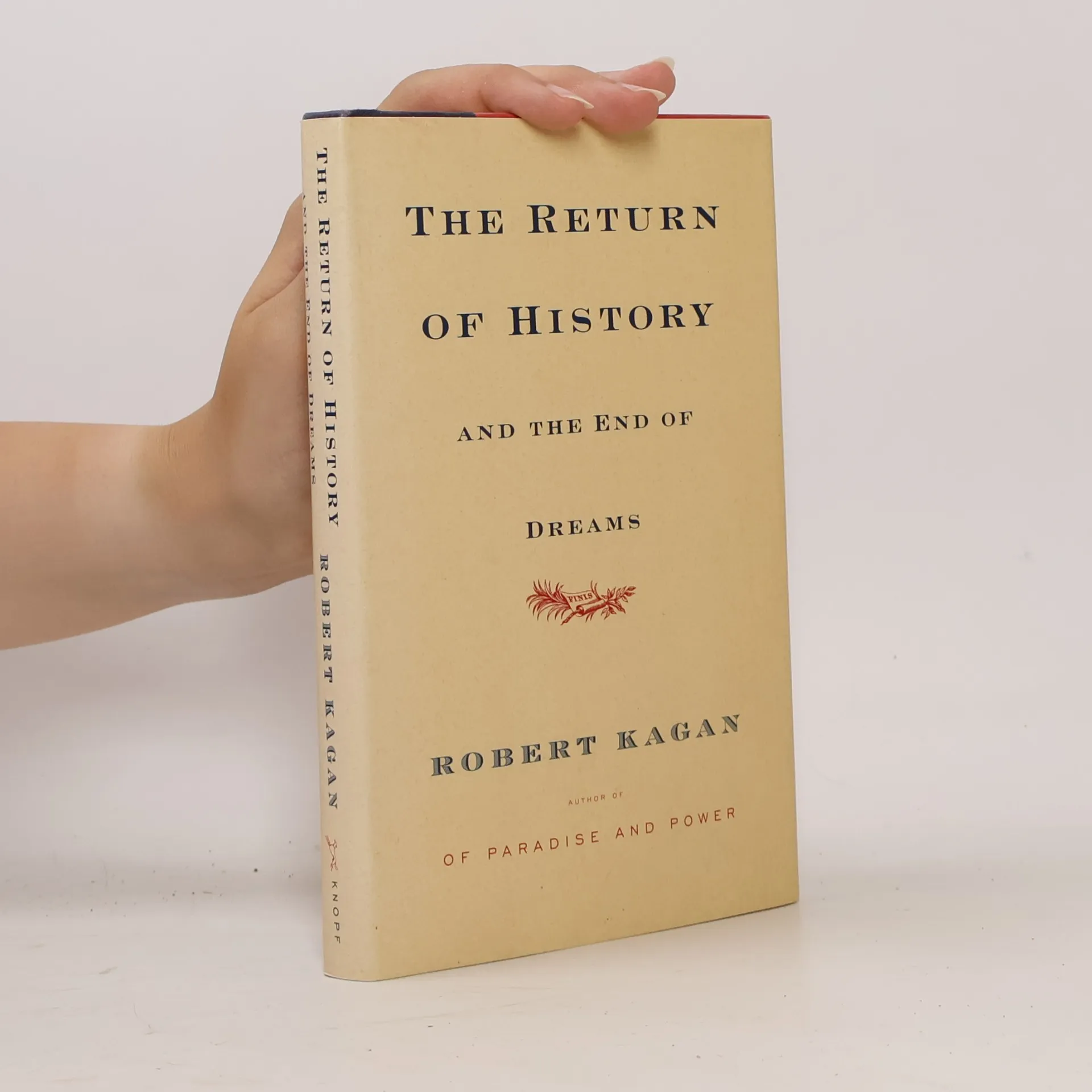
The Return of History and the End of Dreams, Robert Kagan
- Lingua

- Pubblicato
- 2008
- product-detail.submit-box.info.binding
- (Copertina rigida),
- Condizioni del libro
- Danneggiato
- Prezzo
- 3,71 €
Metodi di pagamento
Ancora nessuna valutazione.
- Titolo
- The Return of History and the End of Dreams
- Lingua
- Inglese
- Autori
- Robert Kagan
- Editore
- Knopf
- Pubblicato
- 2008
- Formato
- Copertina rigida
- Pagine
- 115
- ISBN10
- 030726923X
- ISBN13
- 9780307269232
- Serie
- Tag
- Saggistica, Scienze politiche & Politica, Filosofia, Politica, Economia, Storia del mondo, 21° Secolo, Relazioni internazionali, Democrazia, Politica mondiale
- Descrizione
- Hopes for a new peaceful international order after the end of the Cold War have been dashed by sobering Great powers are once again competing for honor and influence. Nation-states remain as strong as ever, as do the old, explosive forces of ambitious nationalism. The world remains “unipolar,” but international competition among the United States, Russia, China, Europe, Japan, India, and Iran raise new threats of regional conflict. Communism is dead, but a new contest between western liberalism and the great eastern autocracies of Russia and China has reinjected ideology into geopolitics. Finally, radical Islamists are waging a violent struggle against the modern secular cultures and powers that, in their view, have dominated, penetrated, and polluted their Islamic world. The grand expectation that after the Cold War the world would enter an era of international geopolitical convergence has proven wrong.For the past few years, the liberal world has been internally divided and distracted by issues both profound and petty. Now, in The Return of History and the End of Dreams , Robert Kagan masterfully poses the most important questions facing the liberal democratic countries, challenging them to choose whether they want to shape history or let others shape it for them.