

Maggiori informazioni sul libro
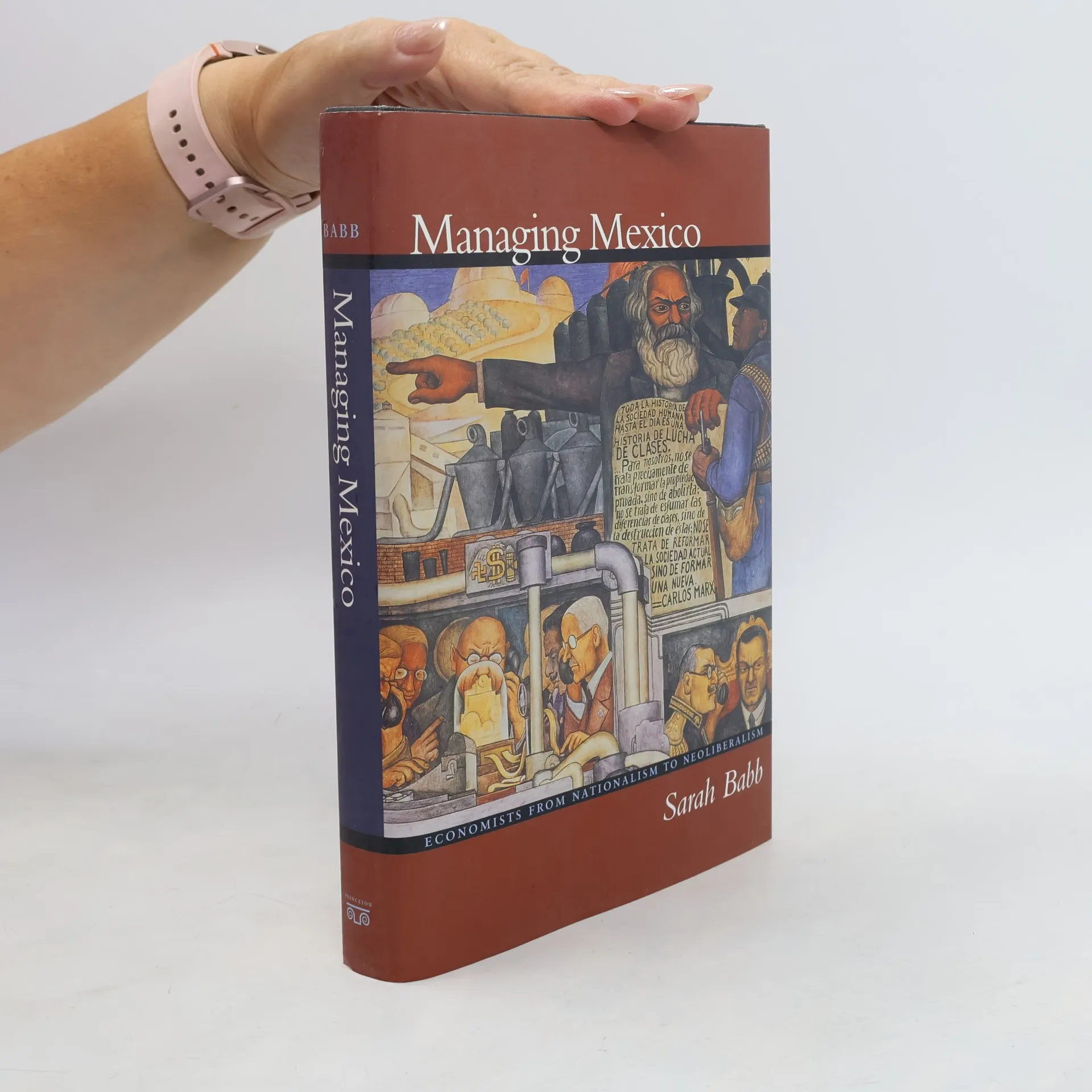
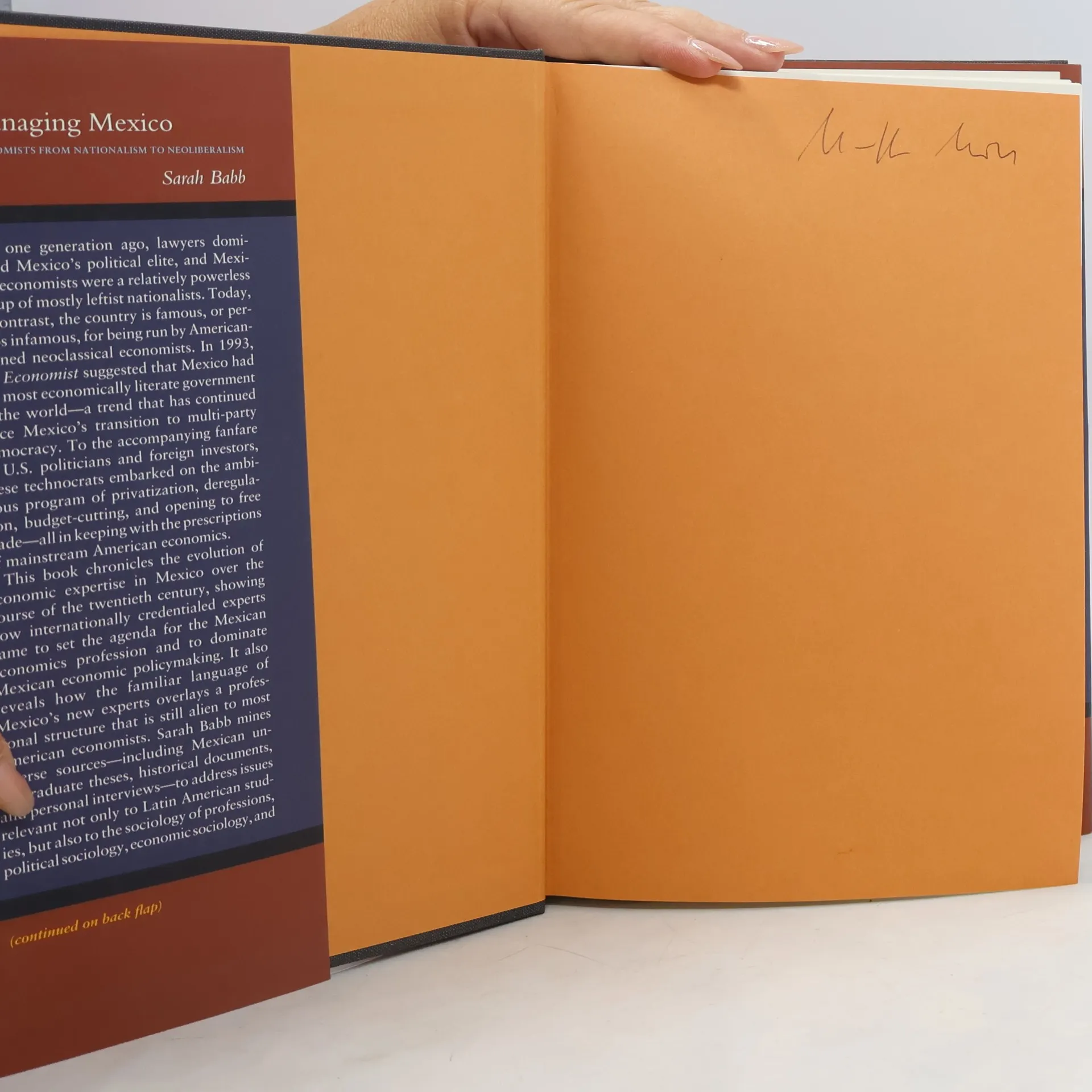
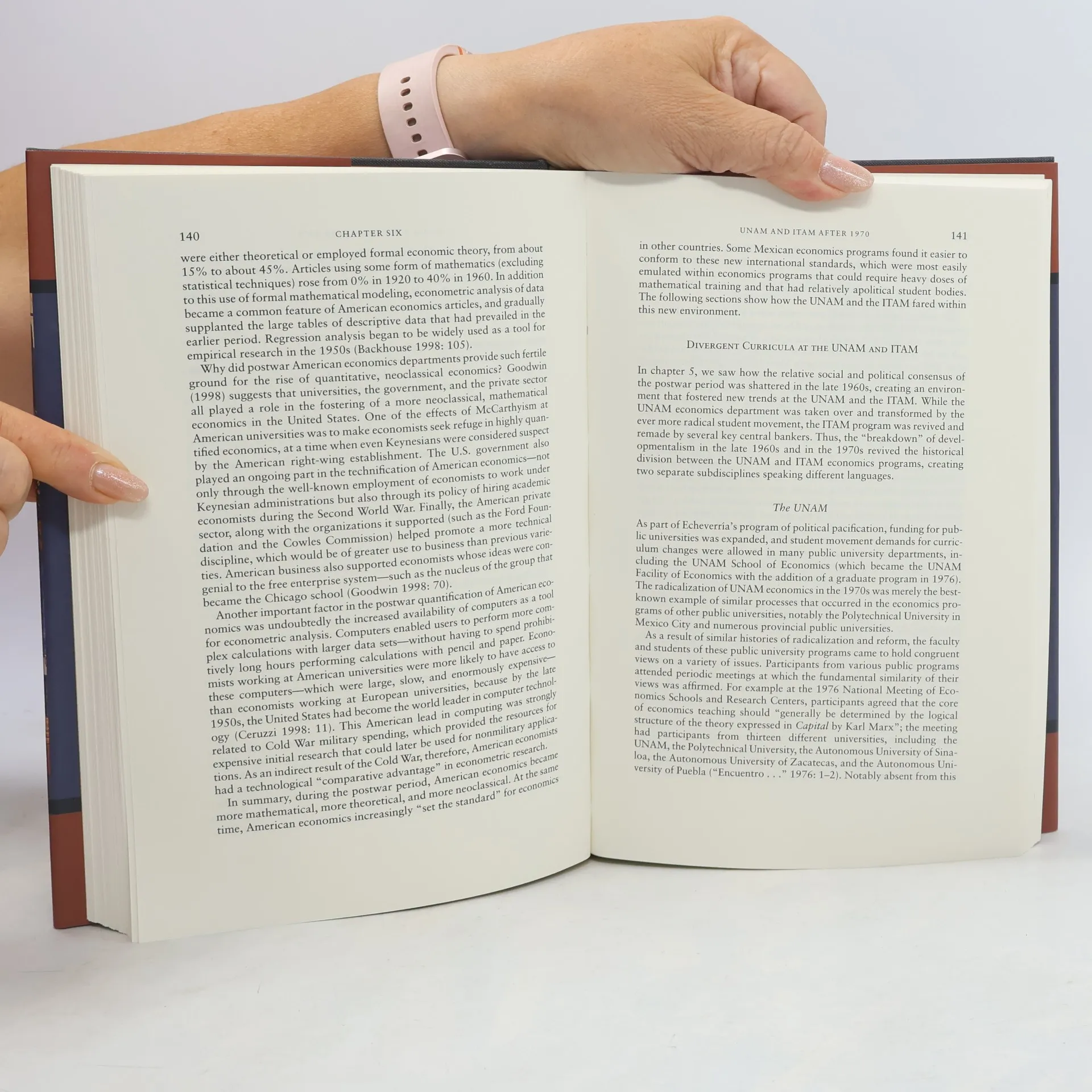
Just one generation ago, lawyers dominated Mexico's political elite, while economists were largely powerless leftist nationalists. Today, the country is known for being led by American-trained neoclassical economists. In 1993, the Economist claimed Mexico had the most economically literate government globally, a trend that has persisted since its transition to multi-party democracy. Amidst support from U.S. politicians and foreign investors, these technocrats initiated an ambitious agenda of privatization, deregulation, budget cuts, and free trade, aligning with mainstream American economic principles. This work chronicles the evolution of economic expertise in Mexico throughout the twentieth century, illustrating how internationally credentialed experts came to dominate the Mexican economics profession and policymaking. It reveals that the language of Mexico's new experts masks a professional structure that remains unfamiliar to most American economists. Drawing from diverse sources, including undergraduate theses, historical documents, and personal interviews, the author addresses issues pertinent to Latin American studies, sociology of professions, political sociology, economic sociology, and neoinstitutionalist sociology. The work skillfully demonstrates how national circumstances shape the perspectives and actions of economic experts while highlighting how globalization can undermine national systems of economic expertise
Acquisto del libro
Managing Mexico, Sarah Babb
- Lingua

- Pubblicato
- 2001
- product-detail.submit-box.info.binding
- (Copertina rigida),
- Condizioni del libro
- Danneggiato
- Prezzo
- 9,31 €
Metodi di pagamento
Ancora nessuna valutazione.
- Titolo
- Managing Mexico
- Sottotitolo
- Economists From Nationalism To Neoliberalism
- Lingua
- Inglese
- Autori
- Sarah Babb
- Editore
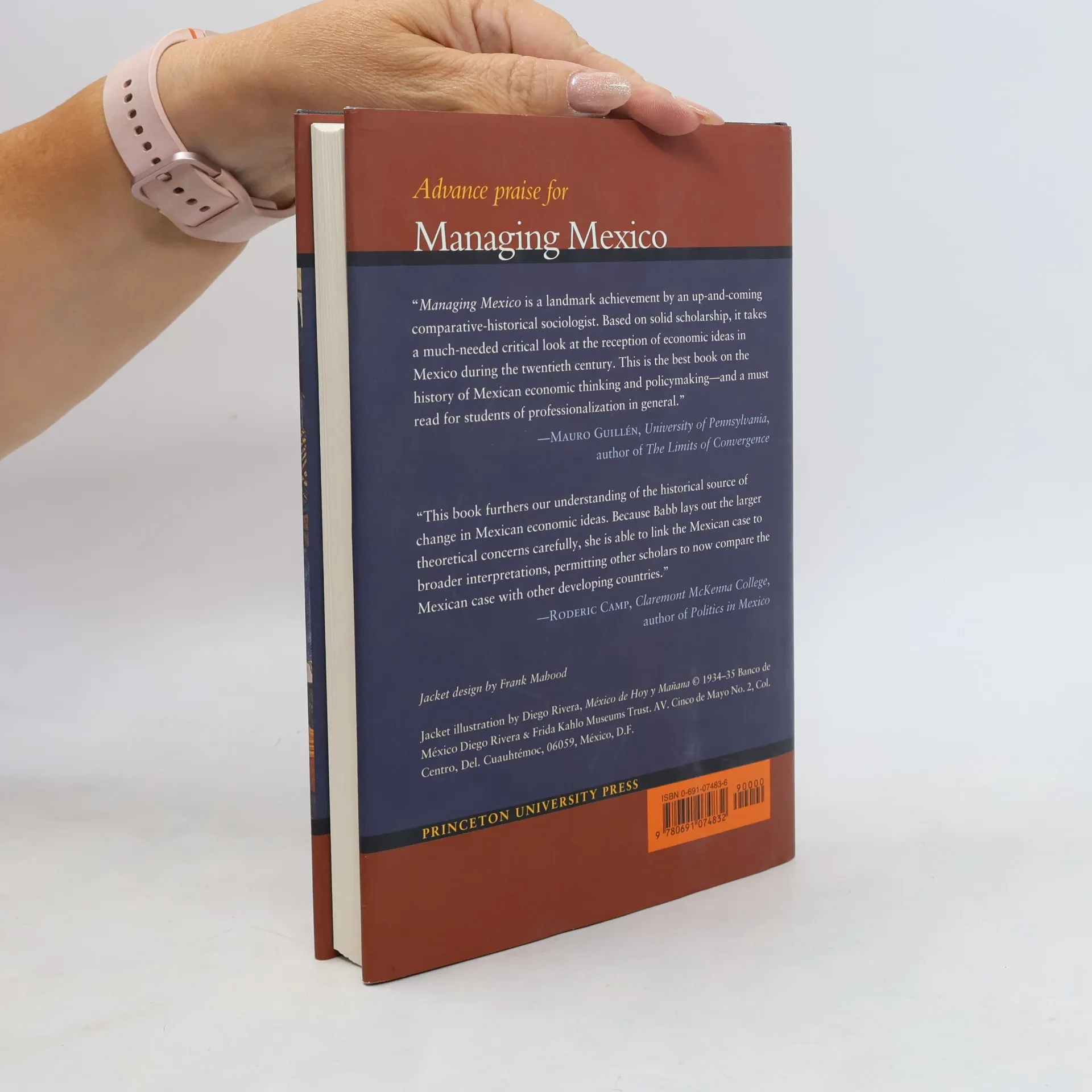
- Princeton University Press
- Pubblicato
- 2001
- Formato
- Copertina rigida
- Pagine
- 320
- ISBN10
- 0691074836
- ISBN13
- 9780691074832
- Serie
- Tag
- Saggistica, Tema stórico, Commercio, Business & Management, Economia, USA, XX Secolo, Globalizzazione, Messico, Storia economica, Politica economica, Economisti
- Descrizione
- Just one generation ago, lawyers dominated Mexico's political elite, while economists were largely powerless leftist nationalists. Today, the country is known for being led by American-trained neoclassical economists. In 1993, the Economist claimed Mexico had the most economically literate government globally, a trend that has persisted since its transition to multi-party democracy. Amidst support from U.S. politicians and foreign investors, these technocrats initiated an ambitious agenda of privatization, deregulation, budget cuts, and free trade, aligning with mainstream American economic principles. This work chronicles the evolution of economic expertise in Mexico throughout the twentieth century, illustrating how internationally credentialed experts came to dominate the Mexican economics profession and policymaking. It reveals that the language of Mexico's new experts masks a professional structure that remains unfamiliar to most American economists. Drawing from diverse sources, including undergraduate theses, historical documents, and personal interviews, the author addresses issues pertinent to Latin American studies, sociology of professions, political sociology, economic sociology, and neoinstitutionalist sociology. The work skillfully demonstrates how national circumstances shape the perspectives and actions of economic experts while highlighting how globalization can undermine national systems of economic expertise